Bee bread, bee pollen, propolis for children – natural immunity support
In care of children's health, we increasingly reach for natural products that strengthen immunity and support the body in fighting infections. Among them, bee products such as bee bread, bee pollen and propolis are particularly valuable. Their use in a child's diet can bring many benefits, but it is worth knowing how to administer them and in what doses to safely benefit from their health-promoting properties.
Want to find out more about this topic? We invite you to read this short post!
Table of contents:
1. Properties of bee bread, bee pollen and propolis
2. From what age can children be given bee bread, bee pollen and propolis?
3. Dosage and how to administer bee products to children?
4. Why is it worth giving children bee products?
1. Properties of bee bread, bee pollen and propolis
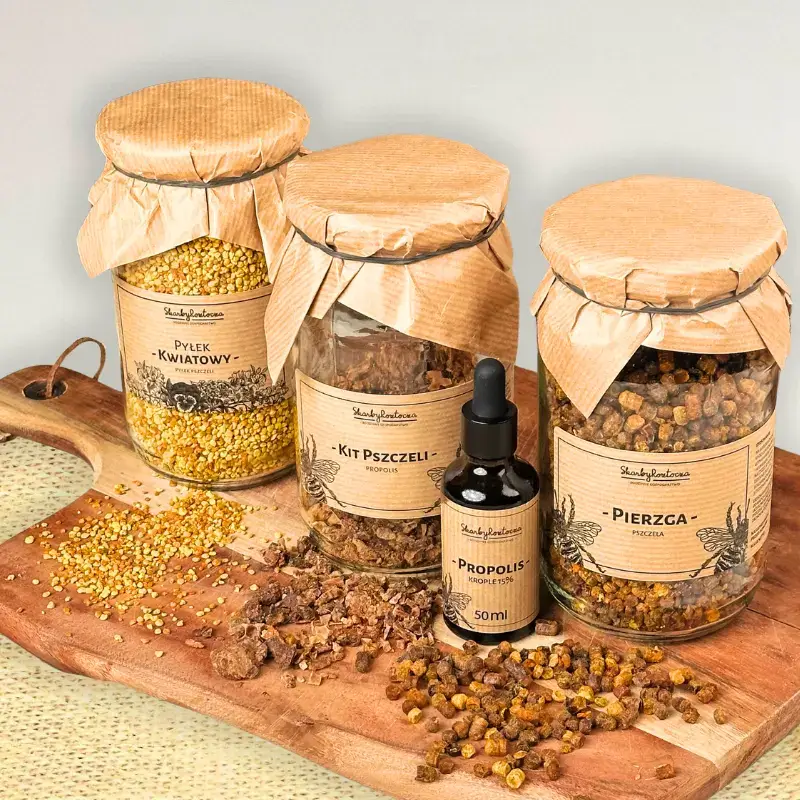
Bee products, such as bee bread, bee pollen and propolis, have been known for centuries for their exceptional health properties. Introducing them into a child's diet can be an excellent way to support immunity and the proper development of a young organism. Each of these products has slightly different properties that complement each other, providing comprehensive health support for children. It is worth taking a closer look at how these natural treasures work, what benefits they bring and how to safely administer them to children.
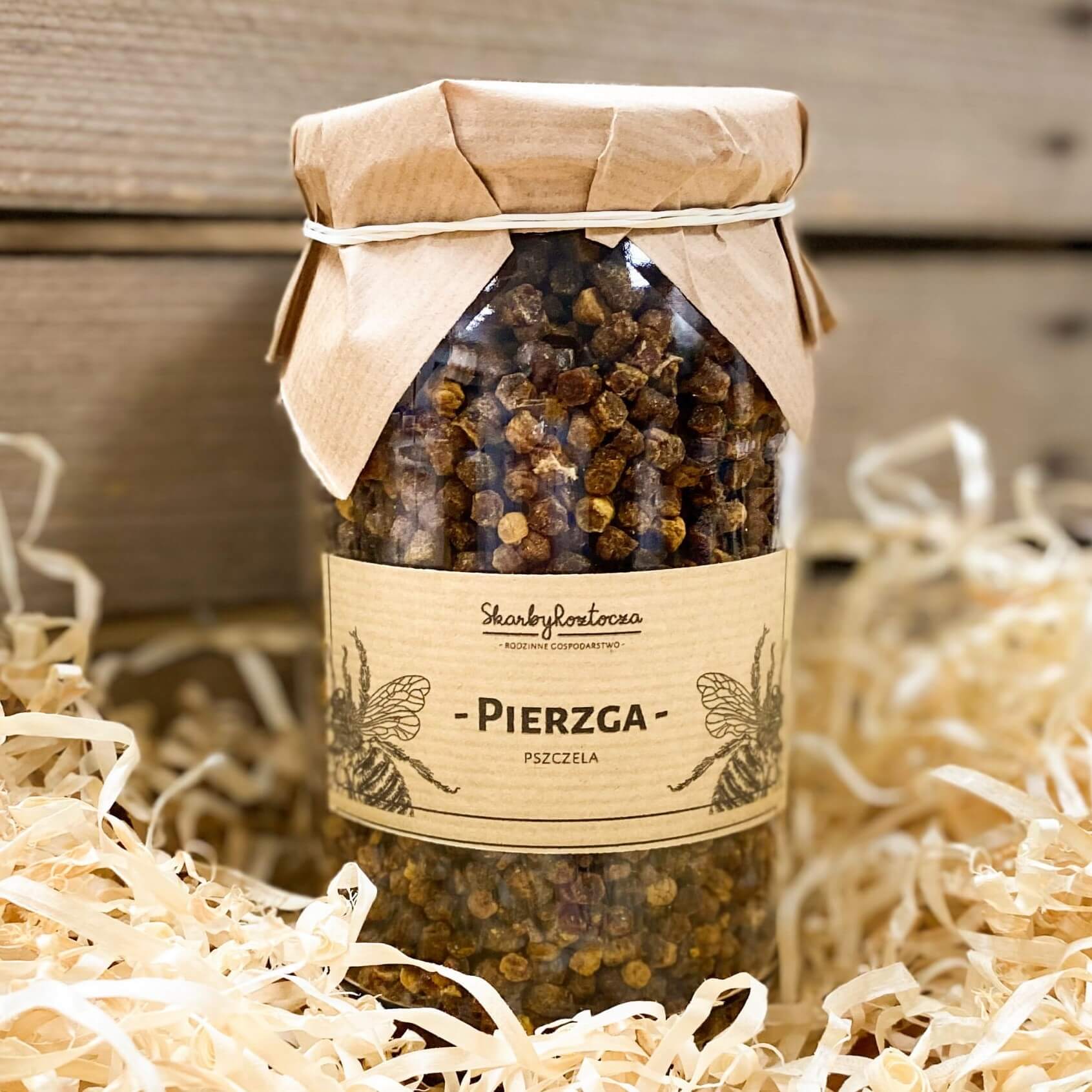
Bee bread is a unique product created when bees collect flower pollen, then ferment it and enrich it with enzymes. Thanks to this, bee bread has a significantly higher nutritional value than raw pollen, and its components are better absorbed by the human body, including children. Bee bread is a rich source of vitamins, especially from the B group (B1, B2, B6), which play a key role in the functioning of the nervous system and metabolism. Thanks to them, bee bread helps in the proper development of children, improving their ability to concentrate and learn.
In addition to vitamins, bee bread contains valuable minerals such as magnesium, potassium and iron, which support the circulatory system and immunity. The amino acids it contains are essential for growth and tissue regeneration, which is of particular importance during periods of intensive physical development. Bee bread is also a natural source of energy, which makes it an excellent addition to the diet of physically active children, those playing sports or simply full of energy in everyday life. Its regular consumption also supports digestion and improves the absorption of nutrients from food, which promotes healthy development.
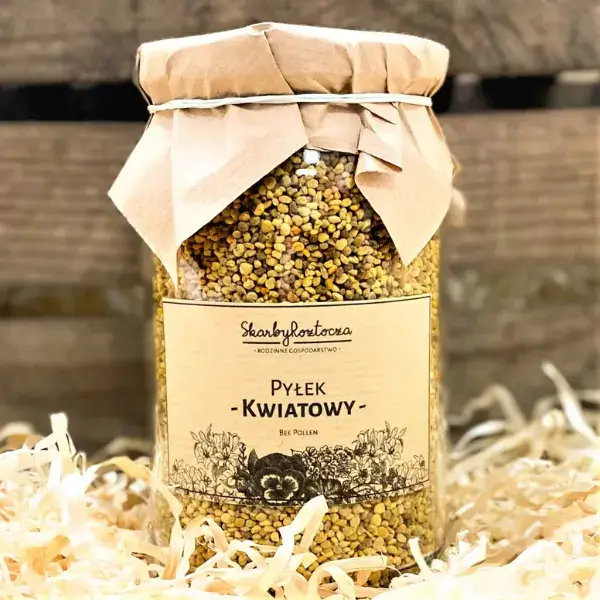
Bee pollen - collected by bees from various plants, is a true wealth of nutrients. Each microscopic grain of pollen contains a full set of vitamins, minerals, proteins and enzymes that support the health of the body. For children, bee pollen is an excellent natural supplement that strengthens immunity, improves the functioning of the digestive system and helps in regeneration after illnesses.
One of the most important aspects of bee pollen is its ability to improve concentration and memory. This is particularly important for school-aged children, who must absorb new information every day and deal with educational challenges. Thanks to the content of bioactive substances, bee pollen has a positive effect on the nervous system, improving the ability to focus and cope with stress. Bee pollen also contains antioxidants that protect cells from oxidative damage and strengthen the immune system. Regular consumption of pollen can help reduce the risk of infection and support children's health during periods of increased illness, such as autumn and winter.
Propolis - also known as bee glue, is another precious gift from bees. Its extraordinary antibacterial, antiviral and anti-inflammatory properties make it one of the most valued natural remedies for various infections. Propolis contains over 300 active compounds, including flavonoids, phenols and organic acids, which support the immune system and help fight microorganisms. Thanks to its anti-inflammatory properties, propolis accelerates the regeneration of damaged tissues and soothes inflammation. It can also be helpful in treating minor injuries, such as wounds or abrasions, by speeding up healing.
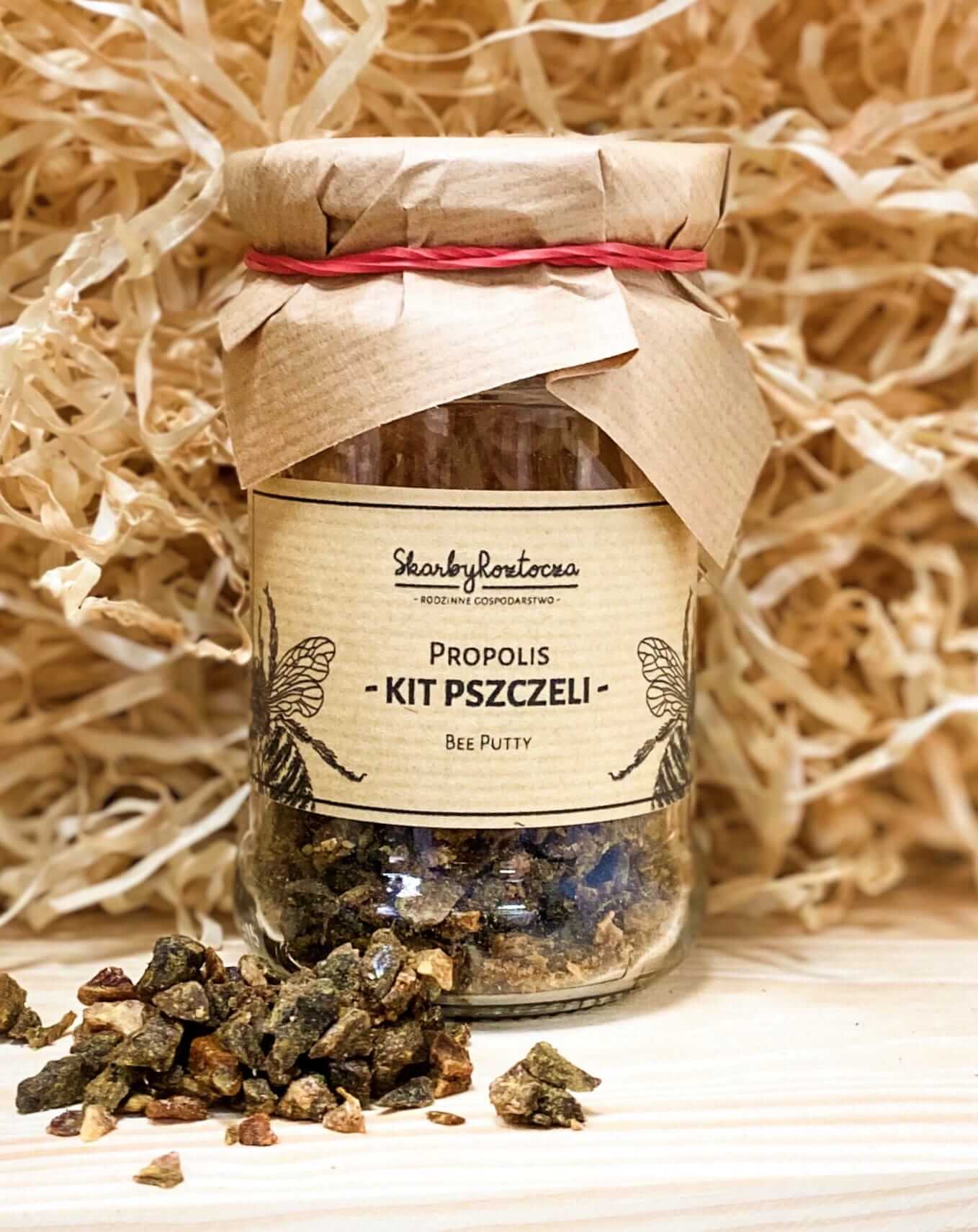
If you want to learn more about pollen, bee bread and propolis, we invite you to read the content of the post found at the link below:
https://www.skarbyroztocza.mom/czym-sie-rozni-pierzga-pylek-i-propolis
2. From what age can children be given bee bread, bee pollen and propolis?
Although bee products are natural, they should be introduced into a child's diet carefully, especially in the youngest children. The most important thing is that the child does not have an allergy to bee products.
Bee pollen – can be safely given to children from 3 years of age. It is recommended to give from ¼ to ½ teaspoon daily.
Bee bread - can be introduced into the diet of children over 3 years of age, starting with small doses (e.g. ¼ teaspoon daily).
Propolis – in the appropriate form and dose can be given as early as 1 year of age.
Propolis can be purchased in the form of tablets or drops, with the latter being more popular. They can be mixed with water or honey to make them easier to give to children.
Although propolis is a natural remedy, its continuous use is not recommended. Parents usually introduce it into the diet in autumn and discontinue it in spring and summer.
3. Dosage and how to administer bee products to children?
Bee bread
Bee bread - has a fairly specific, intense flavour that may not appeal to every child. Therefore, it is worth dissolving it in water and adding a bit of honey to make the drink tastier and more attractive for the youngest. This form of administration will not only facilitate consumption but also further enrich the drink with the nutritional values of the honey.
- children 3-12 years old – 10 grams per day
- children over 12 years old – 15 grams per day
Bee pollen has a mild flavour, so it can be added to various dishes such as yoghurts, muesli, oatmeal or smoothies. Children can also consume it directly, however, for easier absorption, it is worth giving it dissolved in water or juice. The recommended dose for children is 1/4 to 1/2 teaspoon daily.
- children 3-5 years old – 10 grams per day
- children 6-12 years old – 15 grams per day
- children over 12 years old – 20 grams per day
Bee pollen is best absorbed in diluted form, so it is worth consuming it as a drink. Simply pour a glass of warm water over the pollen and set aside for 8–10 hours. An infusion prepared this way is best consumed in the morning, on an empty stomach.
Propolis is most commonly available in the form of drops. For children, an aqueous solution of propolis works best, which can be used orally or topically (e.g. for throat infections).
- children from 1 to 10 years old - use half the adult dose, i.e. 1/4 teaspoon (10-25 drops) in the form of an aqueous solution or in honey. We recommend consulting a paediatrician beforehand so they can advise on individual dosage and any potential contraindications (especially if the child has any existing health problems, allergies or is taking permanent medication).
4. Why is it worth giving children bee products?
Immunity strengthening – bee bread, bee pollen and propolis support the body's natural defence mechanisms, which helps reduce the risk of infection, especially in the autumn-winter period.
Regeneration support – after illnesses, bee products help children recover faster, regenerating the body and providing essential nutrients.
Improved concentration and energy – bee pollen and bee bread provide valuable vitamins and minerals that support the proper development of the nervous system, which translates into better concentration and energy in everyday life.
Natural digestive system support – bee bread and bee pollen regulate bowel function, support digestion and improve the bacterial flora of the digestive tract, which is of great importance for children's health.
Anti-inflammatory and antibacterial properties – propolis is a natural antiseptic that helps fight bacterial, viral and fungal infections, making it excellent support for throat problems or mouth infections.
5. Important aspects
Before introducing bee products into the diet, it is always worth consulting a doctor, especially if the child is prone to allergies. Bee products, despite numerous benefits, can cause allergic reactions in some children, so caution should always be exercised, especially with the first administration.
Giving bee bread, bee pollen or propolis should be introduced as part of a healthy lifestyle. Regularity and systematic use can bring the best results, and the natural properties of these products help support children's bodies in a safe and effective way.
Bee bread, bee pollen and propolis are excellent natural support for children's health, strengthening immunity, supporting regeneration and providing valuable nutrients. Remember, however, to introduce them into the diet gradually, according to recommendations and after prior consultation with a paediatrician.
Sources/Bibliography:
- S. Wójcik Bee pollen – how to use for children? e-zdrowie Publishing House https://e-zdrowie.pl/pylek-pszczeli-jak-stosowac-u-dzieci
- Malcharek – Mucha Propolis for children – can it be given? Dosage e-zdrowie Publishing House https://e-zdrowie.pl/propolis-dla-dzieci-czy-mozna-go-podawac-dawkowanie
- Bee bread for a child – what it is, what properties it has, how to use it for children Zdrowo24.pl Publishing House https://www.zdrowo24.pl/pierzga-dla-dziecka-czym-jest-jakie-ma-wlasciwosci-jak-stosowac-ja-u-dzieci/