
Beeswax for polishing wood – a homemade recipe for beeswax wood paste
Wood is one of the most beautiful and noble materials in our homes. To maintain its charm for years, it is worth taking proper care of it – ideally using natural products. One of the oldest and most effective ways of wood care is beeswax.
Want to find out more? We invite you to read this short piece!
Table of contents:
3. Homemade recipe for wood paste with beeswax
4. How to use homemade beeswax?
5. What to pay special attention to?
1. What is beeswax?
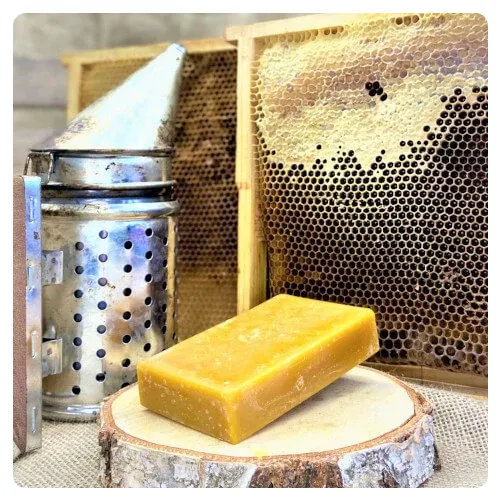
Beeswax is a natural substance produced by young worker bees, usually between 12 and 18 days old. It is produced by special wax glands located on the underside of the bee's abdomen. The wax is secreted in the form of small, transparent flakes, which the bees shape using their mouthparts and use to build honeycombs. It is in these combs that they store honey, pollen, and raise young bees.
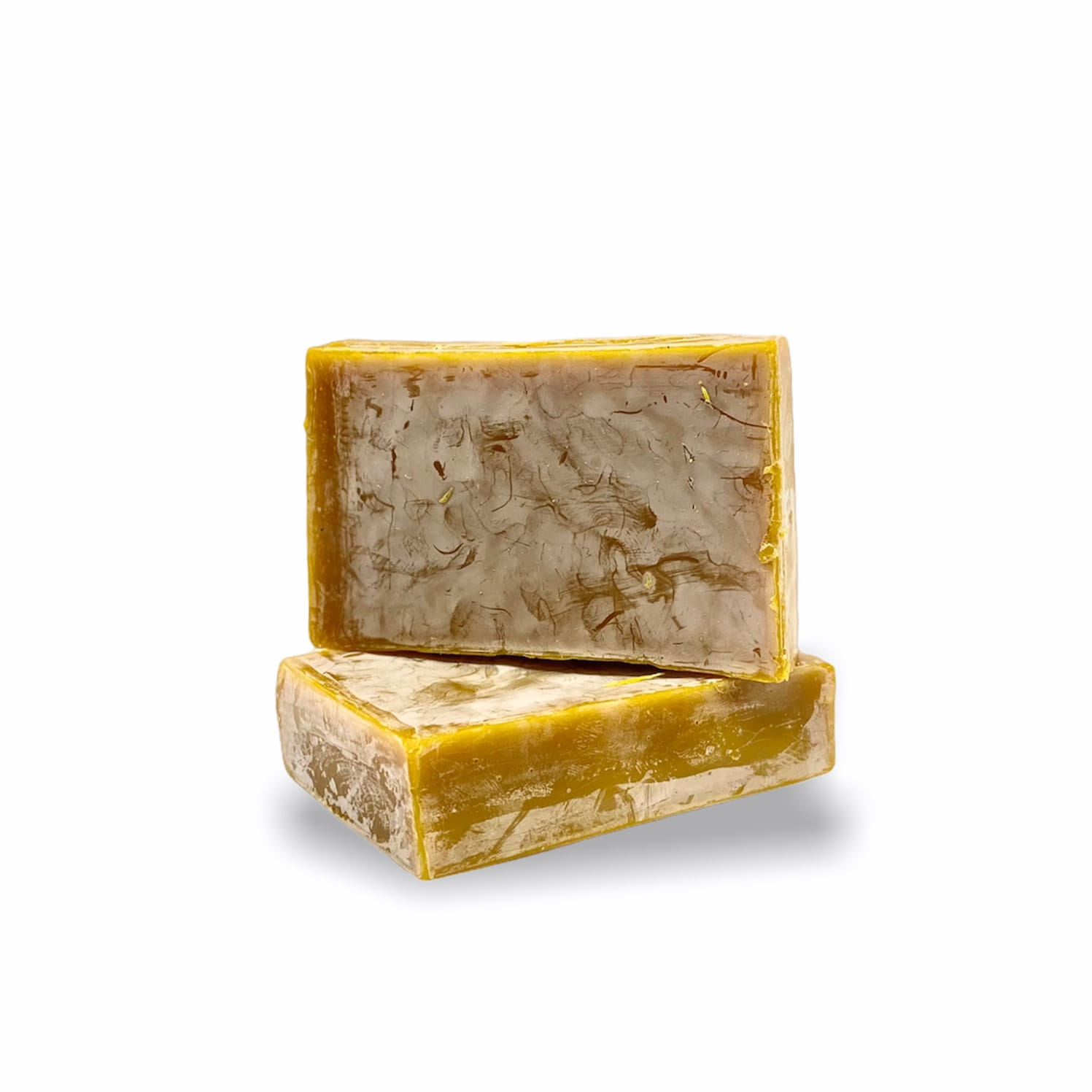
Natural beeswax has a pleasant scent with notes of honey and propolis. Its colour can vary – from light cream to dark yellow, depending on the conditions in the hive and the type of nectar collected. The wax is pliable at room temperature and melts at a temperature of about 62–65°C. It does not dissolve in water but combines well with vegetable and essential oils, making it an excellent base for natural cosmetics, candles, and wood care preparations.
It is a fully biodegradable, safe, and ecological substance. Thanks to its unique protective and preservative properties, beeswax is used not only in beekeeping but also in crafts, cosmetics, the pharmaceutical industry, and in homemade products for caring for wooden furniture.
2. Why use beeswax?
Beeswax is one of the oldest and most valued agents for wood preservation. It was used hundreds of years ago to protect furniture, icons, wooden floors, and everyday items. Today, in an era of returning to natural and ecological solutions, it is gaining popularity again – and rightly so.
Completely natural product - beeswax is a pure, natural substance produced by honey bees. It contains no artificial preservatives, solvents, or toxic additives. This makes it safe for both the user and the environment. It is biodegradable, hypoallergenic, and friendly for allergy sufferers and children.
Moisturising and protective properties -wax creates a delicate, breathable protective layer on the wood surface. It protects against moisture penetration, dirt, and external factors. It secures the wood against cracking, deformation, and the harmful effects of UV radiation. It is perfect for furniture exposed to frequent use – tables, countertops, or chests of drawers.
Antistatic effect - surfaces covered with beeswax attract significantly less dust than those protected with traditional chemical agents. The antistatic properties of the wax mean that the wood remains clean for longer, and dust does not settle as quickly. This is particularly important for allergy sufferers and people who value easy cleaning at home.
Regenerates and beautifies wood - beeswax not only protects but also visibly improves the appearance of wood. It penetrates its structure, highlights the natural grain, deepens the colour, and gives the surface a delicate, satin shine. Thanks to this, even old and dull furniture regains its former brilliance and elegance – without the need for varnishing or sanding.
Safe for children and contact with food - unlike many commercial wood care preparations, homemade beeswax (especially without added fragrances) is completely safe in contact with skin and food. It is ideal for protecting children's furniture, toys, cutting boards, kitchen utensils, or bowls. It does not emit harmful fumes and is not allergenic.
Long-lasting effect - wax does not require frequent application – it is enough to apply a thin layer once every few months for the wood to maintain its properties and appearance. This makes the care not only natural but also very economical.
3. Homemade recipe for wood wax
Ingredients:
- 100 g of beeswax,
- 200 ml of oil (most often linseed oil, coconut oil, or olive oil is used),
- (optional) a few drops of natural essential oil – e.g. lavender or citrus for fragrance.
Equipment:
- A glass jar or metal tin for the finished product,
- A pot for a water bath,
- A spoon or spatula for stirring.
Preparation method:
-
Prepare a water bath – boil water in a pot, and in a smaller vessel (e.g. a jar or metal bowl) place the wax and oil.
-
Melt the wax – heat the mixture in the water bath until the wax is completely melted. Mix everything thoroughly.
-
Add fragrance (optional) – after removing from heat, you can add a few drops of essential oil.
-
Pour and cool – pour the hot mixture into the target container. Once cooled, you will get a smooth, buttery paste.
4. How to use homemade beeswax?
Homemade beeswax for wood is not only a natural alternative to ready-made preparations but also a very easy-to-use agent that you can apply yourself at home. To achieve the best results – both aesthetic and protective – it is worth following a few basic application rules.
At the beginning, make sure that the surface you want to protect is clean and dry. Wax penetrates wood best when there is no dust, greasy stains, or residues of other preservatives on it. If necessary, wipe the surface with a damp cloth and wait until it is completely dry.
Then apply a thin layer of wax using a soft cloth, brush, or sponge. Remember that it's not about covering the wood with a thick layer – it's better to apply less, but evenly. The wax should spread gently over the surface, penetrating the wood structure. Do not rub it in too intensely – let the wood "drink" the wax at its own pace.
After applying the wax leave the wood for about 15 to 30 minutes. During this time, the wax will begin to harden and bond with the surface. The drier and more absorbent the wood, the better it will absorb the nutrients from the wax. If you notice that the surface has "absorbed" all the wax in places, you can gently add another layer.
The final step is polishing the surface, which is the moment when the wood gains its natural glow. Use a clean, dry cloth for this – ideally microfibre or soft cotton. Polish in circular motions or along the grain of the wood until you achieve a slightly shiny, smooth surface. At this point, the wood will not only look fresh but will also be effectively protected against moisture, dust, and scratches.
Depending on the intensity of use of a given piece of furniture or surface, it is worth repeating this treatment every few months. Regular waxing ensures that wood gains even more character and depth with age – it ages with class, not damage.
5. What to pay special attention to?
Although homemade beeswax is natural, safe, and very effective, it is worth remembering a few important points that will guarantee its use brings the expected results and does not harm wooden surfaces.
First and foremost, always perform a test on an invisible part of the woodbefore applying the wax to the entire surface. Wood is a very diverse material – its structure, colour, and absorbency can vary significantly depending on the species, age, and previous processing. The test will allow you to assess how the wood reacts to the wax, whether it doesn't darken too much, and whether you achieve the desired visual effect. This is particularly important for light and delicate wood species such as maple or birch.
Appropriate storage of homemade waxis also important. Although it contains no preservatives, it is quite durable – provided you ensure good conditions. It is best to keep it in a tightly closed jar or metal tin, in a cool and dark place, away from heat sources and sunlight. In such conditions, the wax will maintain its properties for even several months. It is also worth remembering that its consistency may change slightly over time – if it becomes too hard, simply warm it slightly in a water bath before use.
It is also not without significance that beeswax is not suitable for all wooden surfaces. Definitely it should not be applied to lacquered wood – the layer of lacquer creates a barrier through which the wax has no chance to penetrate deep into the structure. The result may be smearing, an uneven surface, or even the wax being repelled by the lacquer. In the case of furniture already protected with lacquer or another synthetic agent, the previous coating must first be removed (e.g. by sanding) before waxing.
It is also worth knowing that waxing is a care treatment, not a renovation one – if the wood has deep damage, scratches, stains, or gaps, the wax will not "repair" them. In such a case, it may be necessary to clean and prepare the surface earlier before you proceed with waxing.
6. Summary
Handmade beeswax is an excellent way to care for wooden furniture, countertops, or floors. It is not only effective but also ecological – it contains no harmful substances and smells wonderful. If you are looking for a natural alternative to ready-made wood preservation products, this recipe will work perfectly.
Source/Bibliography:
Królikowski St., Beeswax – its products and application, Encyclopedia of Rural Economy No. 90.