
Can honey go bad? Truth or myth?
Honey is one of the oldest sweet delicacies known to mankind. Rich in nutrients and famous for its long shelf life, it raises the question - can honey go bad?
In today's post, we will delve into this topic and look at whether honey is indeed immune to spoilage, or if there are certain factors that can affect its durability.
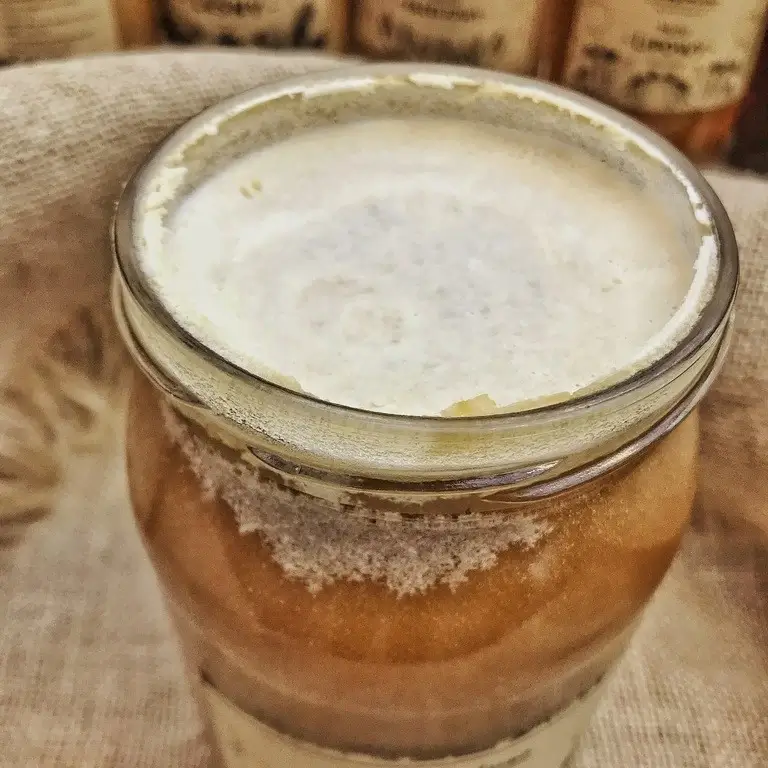
Table of contents:
- Can honey go bad?
- Factors affecting the shelf life of honey.
- How to store honey to maintain its freshness?
- Does honey have an expiry date (best before date)?
- Summary.
1. Can honey go bad?
Honey stored under the right conditions maintains its quality and suitability for consumption for many years. Thanks to its low water content, low pH, and natural antibacterial properties, honey can be stored for many years without losing its nutritional value or its unique taste. However, trying to answer the question unequivocally can honey go bad - yes it can.
Unfortunately, despite its natural durability, honey can spoil, especially when exposed to inappropriate storage conditions. The cause of honey spoilage is usually an increase in humidity, which promotes fermentation and the development of micro-organisms. If honey is exposed to moisture or contamination, it can lose its properties and become inedible.
2. Factors affecting the shelf life of honey.
The primary factor that affects the shelf life of honey is humidity. Honey with a lower water content is less prone to spoilage, which is why it is so important to store it in a dry and airtight container. Additionally, temperature has a major impact on the shelf life of honey. Storing honey at temperatures exceeding 20 degrees Celsius and in a sunny place can promote fermentation processes. High temperature and exposure to sunlight can change the storage conditions of honey, which in turn can lead to undesirable changes in its composition and the formation of an unpleasant smell and taste.
When speaking of humidity, it is also worth paying attention to the water content in the honey. It is crucial that the water content in the honey complies with the standards for specific types of honey. Usually, this content is 18-20%. In the case of the beekeeper harvesting unripe honey, i.e., honey with too high a water content in its composition, fermentation of the honey can also occur. To avoid this, it is worth choosing honey from proven beekeepers and trusted sources!
3. How should honey be stored to maintain its freshness?
To maintain the freshness of honey for as long as possible, honey should be stored in a tightly closed container, in a cool and dry place, away from sunlight. Avoid using damp spoons and putting a licked spoon into the honey, as this can lead to honey fermentation due to the bacteria contained in the mouth.
4. Does honey have an expiry date (best before date)?
By maintaining the above conditions, we can increase the lifespan of real honey even up to thousands of years. However, in accordance with national and EU standards, we must mark every honey with the maximum allowed expiry date, i.e. 3 years. This is also found on each of our packages! Thus, in accordance with standards - yes honey has an expiry date (best before date), and this is indicated on the packaging.
5. Summary.
Although honey is usually a durable product with a long shelf life, it can spoil if subjected to inappropriate storage conditions. It is important to store honey in a dry and cool place and avoid exposing it to moisture and contamination. Thanks to proper storage, you can enjoy the freshness and taste of honey for a long time.