
Can you put a licked spoon back into honey?
Many people, especially those who value natural products, may be interested in how to extract honey in a way that not only preserves its freshness but also ensures all health benefits are maintained. When using honey, does it sometimes happen that we reach for a spoon, lick it, and then dip it back into the jar.
The question is: is such a practice hygienic and safe? Can you put a licked spoon back into honey? Today, we will take a closer look at this topic to clear up any doubts.
Table of contents:
1. Honey contamination.
Honey is a product that naturally contains small amounts of bacteria, but due to its antibacterial properties, it is not prone to rapid degradation. However, putting a licked spoon into honey can introduce additional bacteria from our saliva, which can potentially increase the risk of contamination. Here are some examples of honey contamination by licking a spoon:
- A licked spoon can transfer bacteria, viruses, and other microorganisms into the honey, which can survive in its environment.
- The presence of saliva on the spoon can introduce digestive enzymes that change the chemical composition of the honey, leading to a loss of nutritional and health value.
- Dipping a licked spoon into the honey can increase the moisture level in the jar, which promotes the growth of microorganisms.
As a result, honey contamination can lead to a loss of freshness, changes in its taste and smell, and a reduction in nutritional value. Therefore, it is recommended to use hygienic methods for taking honey, such as using a clean spoon, to ensure the purity and quality of this valuable bee product.
2. Risk of honey spoilage.
Adding extra bacteria to the honey by using a licked spoon can increase the risk of honey spoilage.
Although honey tends to inhibit bacterial growth thanks to its antibacterial properties, additional bacteria can affect the shelf life and quality of the honey, especially when stored in conditions conducive to microbial growth.
Licking a spoon and dipping it back in can lead to fermentation. Fermentation can lead to changes in the taste and smell of the honey, and in the case of long-term storage, even to its spoilage.
In some cases, if the licked spoon was in contact with bacteria or other contaminants, there is a risk of transferring these microorganisms to the honey. Consuming contaminated honey can lead to health problems, especially in people with reduced immunity.
3. Personal hygiene.
By putting a licked spoon back into the honey jar, we can introduce these bacteria into the product, which can lead to its contamination and shortened shelf life. Furthermore, the presence of bacteria can pose a threat to our health, especially if we consume contaminated honey.
Therefore, awareness and practicing proper personal hygiene is key. You should avoid putting a licked spoon back into the honey jar and follow basic rules of personal hygiene, such as washing your hands before handling food. Using separate spoons for scooping honey, regular washing of spoons, and attention to cleanliness and hygiene in the kitchen are fundamental practices that help ensure the safety and quality of the honey consumed. This allows us to enjoy honey in a safe and hygienic way, preserving its freshness and taste.
4. Summary.
Putting a licked spoon into a jar of honey can pose a potential risk of product contamination, as traces of saliva can introduce bacteria into the honey, which can shorten its shelf life and threaten health. Therefore, it is important to take appropriate measures aimed at maintaining hygiene in the kitchen. It is worth using a separate spoon for scooping honey to avoid direct contact of saliva with the product. Additionally, careful use of honey to avoid contamination with external substances, such as food residues or dust, is important for maintaining its purity. Regular cleaning of spoons, especially after use in honey, is also a key step in ensuring safe and hygienic honey consumption. By following these simple practices, you can enjoy honey in a safe way, preserving its quality and freshness.
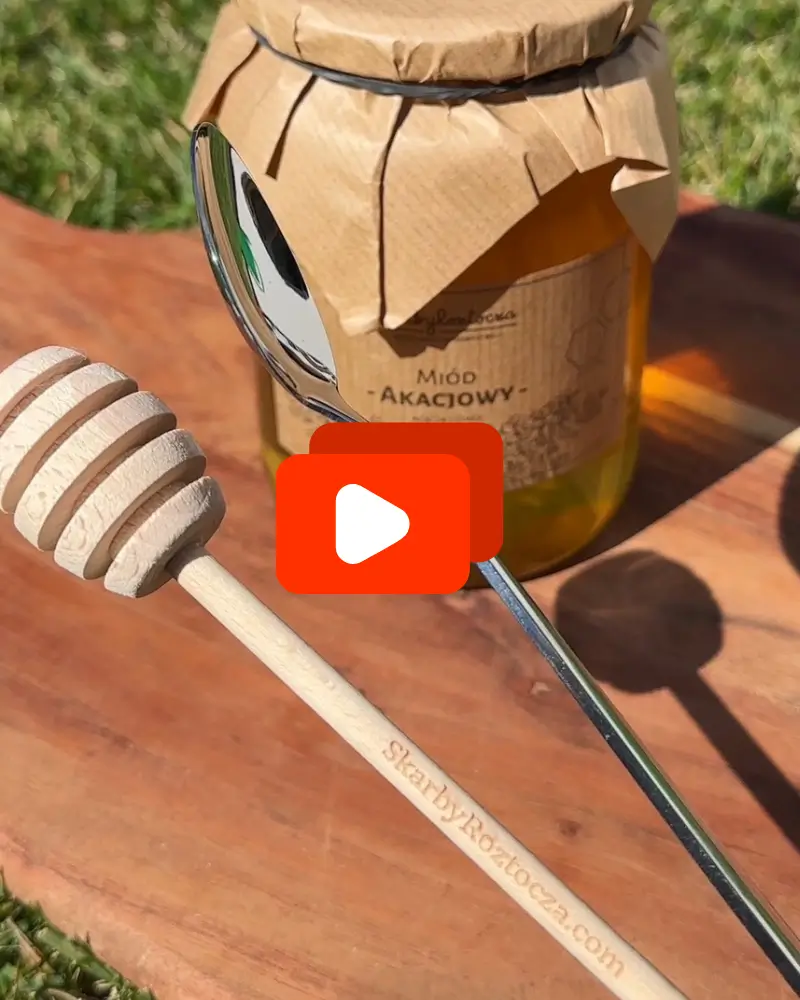
P.S. Do you like content presented in the form of short videos? See our viral video on whether you can put a licked spoon into honey!