
Honey as a natural preservative – the sweet secret of food longevity
In an era of increasing awareness of healthy eating and the avoidance of artificial additives, more and more people are reaching for natural methods of extending the shelf life of food products.
One of the most fascinating and effective natural preservatives is honey. We invite you to read this short blog post to find out more!
Table of contents:
1. Why does honey preserve?
2. Use of honey as a preservative
3. Honey vs artificial preservatives
4. Which honeys are best for food preservation?
5. Summary
1. Why does honey preserve?
Honey is not only a natural sweetener and a healthy addition to dishes, but also a valued ingredient in the food industry. Its versatile properties make it excellent as a natural preservative, helping to extend the shelf life of various types of food products.
Honey owes its unique antibacterial and antiseptic properties primarily to its high concentration of sugars, which makes the water in its environment unavailable to microorganisms, preventing their development.
Additionally, its low pH creates an acidic environment that inhibits the growth of bacteria and mould, and the presence of enzymes, such as glucose oxidase, produces small amounts of hydrogen peroxide with bactericidal effects when in contact with water.
Thanks to these properties, honey effectively inhibits the enzymatic browning of food and limits the development of pathogenic bacteria responsible for product spoilage. This makes it an excellent addition to juices, milk, sauces, or fresh fruit, where it naturally extends their freshness.
What is more, honey improves the taste and texture of food — it can neutralise acidic notes, enrich the aroma, and give products a pleasant, natural sweetness. In bakery products, it acts as an agent improving sensory properties while slowing down the browning process.
It is also worth mentioning the use of honey in the production of alcoholic beverages, where it influences the unique aroma, and as a fermentation ingredient, it allows for the creation of characteristic mead. Meanwhile, in grilled and fried meat, honey helps limit the formation of potentially harmful heterocyclic amines with mutagenic effects.
Thanks to all these properties, honey is not only a delicious addition but also a valuable and natural functional ingredient that successfully finds its place in the modern food industry.
2. Use of honey as a preservative
Honey has been known for centuries for its preservative properties, which allow for the natural extension of the freshness of various food products. Its unique features make it an excellent alternative to artificial preservatives.
Preservation of fruits and vegetables - one of the simplest ways to use honey to extend the shelf life of food is to gently rub it onto fruits or vegetables. A thin layer of honey creates a natural coating that protects products from microorganisms and oxidation. As a result, the process of their spoilage slows down significantly, and fresh fruits and vegetables retain their firmness and taste for longer. This method is particularly useful for storing soft fruits that lose freshness quickly.
Bread storage - honey also works perfectly as a natural agent for extending the freshness of bread. Brushing the bread crust with a thin layer of honey helps to inhibit mould growth and maintain the moisture of the interior, preventing it from drying out quickly. In this way, the bread stays soft and aromatic for longer, without the need for chemical additives.
Marinades and sauces - in the kitchen, honey has long been used as an ingredient in marinades and sauces. Not only does it give dishes a sweetish taste and characteristic aroma, but it also acts as a natural preservative. Thanks to this, marinades with added honey allow for longer storage of meat, fish, or vegetables, while preventing the development of bacteria and other microorganisms. Additionally, honey influences the improvement of the texture and succulence of marinated products.
Preserving meat - ancient civilisations already knew how to use the properties of honey to preserve meat. Its strong antibacterial action ensures that meat covered in honey stays fresh longer and is less susceptible to spoilage. Honey creates a protective layer on the surface of the meat, which limits access to air and microorganisms, while giving the dishes a delicate sweetness. Modern research confirms that using honey in meat preservation can also limit the formation of dangerous compounds during heat treatment, such as mutagenic heterocyclic amines.
3. Honey vs artificial preservatives.
In today's food industry, artificial preservatives are widely used to extend the shelf life of products and prevent the development of microorganisms. Although effective, increasing attention is being paid to their potential negative health effects, such as allergies, digestive disorders, and even carcinogenic or hormonal effects. In this context, honey appears as a natural and safe alternative.
Honey, unlike chemical additives, is a completely natural product, produced by bees from flower nectar. It contains a range of valuable nutrients, such as vitamins (e.g., from the B group, vitamin C), minerals (potassium, magnesium, calcium, iron), as well as strong antioxidants that support the body in fighting free radicals and have anti-inflammatory effects.
Thanks to its antibacterial, antiseptic, and antioxidant properties, honey not only protects food from spoilage but can also support consumer health. The enzymes and natural acids it contains create an environment unfavourable for the development of pathogens, making it an effective preservative, especially in low-processed products.
It is worth remembering, however, that the effectiveness of honey as a preservative depends on several factors. Above all, the quality of the honey itself is important — ideally, it should be natural, raw, unpasteurised honey, free from additives and diluents.
The method of application also matters — the appropriate amount and way of using honey must be chosen for the specific product to ensure optimal protection against spoilage.
Although honey may not always 100% replace the strong action of chemical preservatives, in many cases it can significantly reduce their use, contributing to the production of healthier, more natural, and body-friendly food. This is particularly important for consumers seeking bio, organic, and artificial additive-free products.
4. Which honeys are best for food preservation?
Choosing the right type of honey is of great importance if we want effective and natural food preservation. Different honeys differ not only in taste and aroma but also in chemical composition and antibacterial properties, which affect their effectiveness as preservatives.
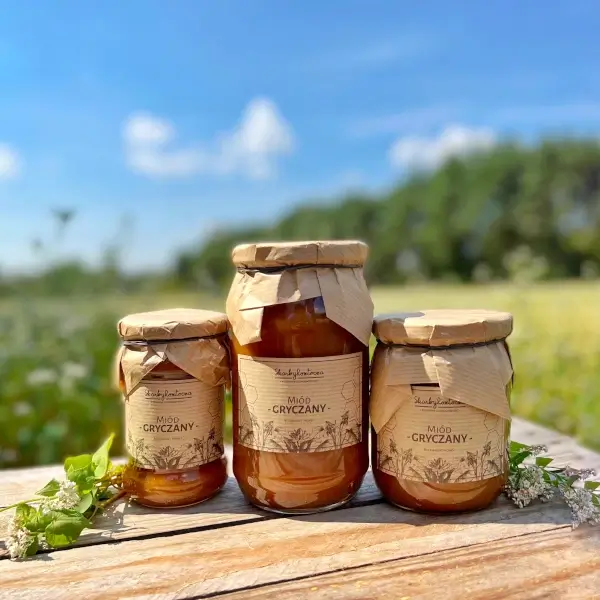
Buckwheat Honey - stands out for its strong antibacterial effect. Its dark colour and intense, slightly spicy taste make it ideal for preserving bread, meats, and vegetable preserves. Additionally, it contains many antioxidants and microelements, which supports not only the durability but also the nutritional value of stored products.
Linden Honey - is known for its antifungal and antibacterial properties. Its delicate, slightly herbal aroma blends perfectly with marinades, sauces, and vegetables. Thanks to its high enzyme content, it effectively supports protection against product spoilage without dominating the taste of the dishes.
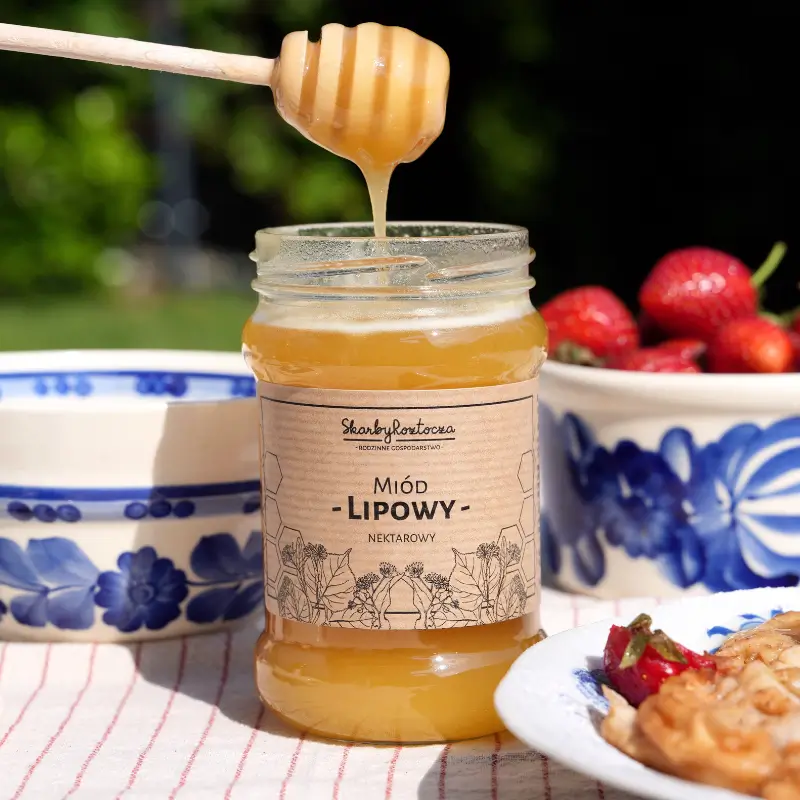
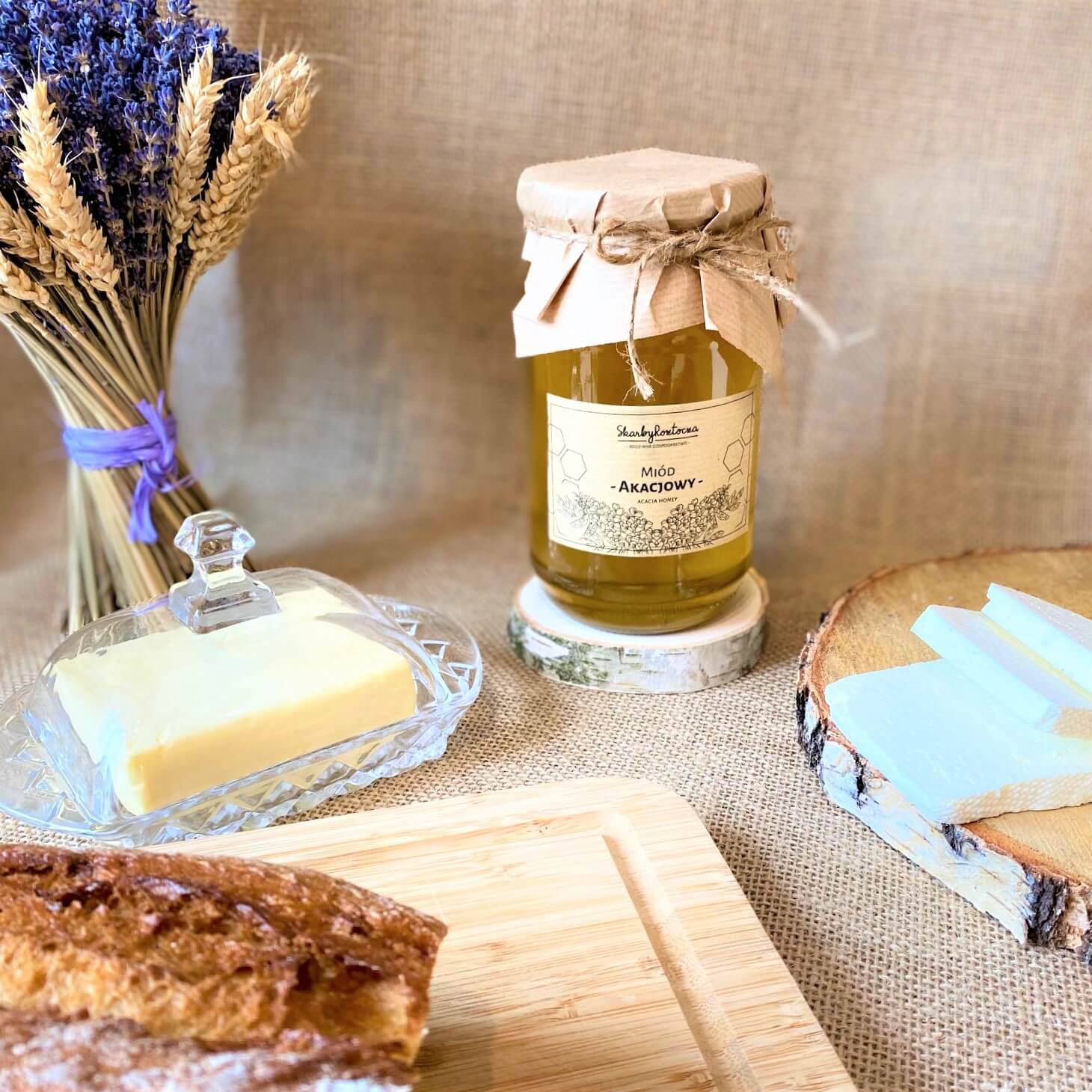
Acacia Honey - with a light colour and mild taste, it works great where we do not want to affect the colour or smell of the food. It can be used to preserve fruits, fruit salads, desserts, or sauces. Although its antibacterial effect is slightly weaker than that of buckwheat honey, its versatility and mildness of flavour make it a very practical choice.
Multifloral Honey - contains a wide range of enzymes and bioactive ingredients that support preservation. It is universal and suitable for most applications – from bread, through vegetables, to ready meals and snacks.
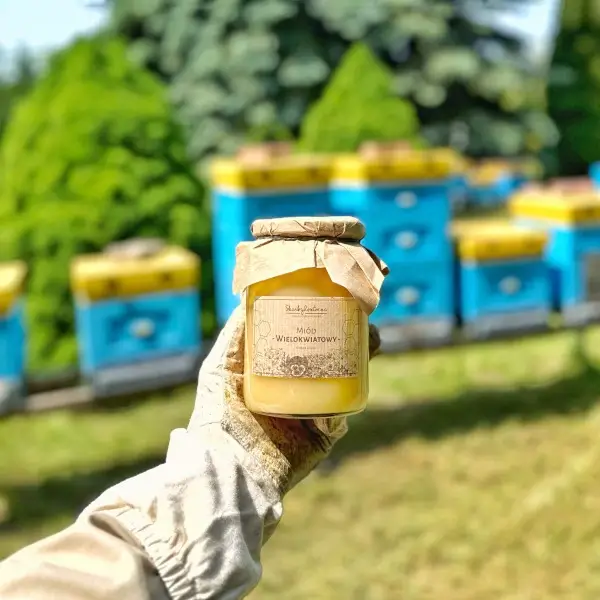
An important aspect when choosing honey for food preservation is its quality – natural, raw, and unprocessed honeys, without the addition of syrups or sugar, will work best. Properly selected honey not only protects food from spoilage but also enriches it with valuable nutrients and natural sweetness.
5. Summary
Honey is a true gift of nature, which not only serves perfectly as a healthy alternative to sugar but also helps to naturally preserve food. It is worth reaching for it more often, especially if we care about health and ecology. Thanks to honey, we can extend the freshness of products, avoiding artificial preservatives while enjoying a unique taste.
Sources/Bibliography:
P.M Kuś., Phytochemical characterisation and classification of selected Polish honeys and evaluation of their biological activity, Wrocław Medical University, Faculty of Pharmacy with the Division of Medical Analytics, Wrocław 2014