
Honey for a child
Honey is not only a delicious but also a healthy addition to the diet, which is valued for its nutritional and health properties. However, in the case of children, the introduction of honey into their menu requires special attention.
What types of honey are suitable for the youngest, from what age can it be given and in what quantities? In this blog you will find all the necessary information on this topic. Enjoy!
Table of contents:
1. Honey and the child's age-from when can honey be given?
2. What type of honey for children?
4. Health benefits of honey for children
1. Honey and the child's age-from when can honey be given?
Honey, despite its many advantages, should not be given to children under 12 months of age due to a specific risk, which is infant botulism. This is a disease caused by bacteria Clostridium botulinum, which can occur in natural products, including honey.
The immune system of infants in the first year of life is in a phase of intensive development, which makes them particularly susceptible to the effects of various pathogens. During this period, it is not yet fully prepared to fight potentially dangerous bacteria, such as those that cause botulism. Bacterial spores of Clostridium botulinum can be found in honey even in trace amounts. When an infant consumes such honey, the bacteria can transform in the body into toxins that lead to the onset of the disease. These symptoms include muscle weakness, difficulty breathing and swallowing, and in some cases, the disease can be very dangerous, requiring intensive medical care.
It is worth noting, however, that infant botulism is a very rare disease, and cases of honey poisoning occur extremely rarely. Nevertheless, doctors' recommendations are clear-honey should not be given to children before they reach 12 months of age, even in small amounts.
Introducing honey after the 1st year of life
After reaching the first year of age, when the child's immune system is already better developed, you can start introducing honey into the toddler's diet. It is worth doing it gradually, observing the reactions of the child's body. Honey is a wealth of nutrients, vitamins and minerals that can support the child's development, strengthen immunity and provide energy.
When choosing honey for a child, it is worth reaching for its milder types, such as acacia or multi-flower honey, which are not only more delicate in taste but are also better tolerated by young children. However, as with other sweet products, one should remember about moderation and controlling the amount of honey in the diet.
2. What type of honey for children?
Choosing the right honey for a child is extremely important, especially when we want to introduce this valuable product into the toddler's diet in a safe and tasty way. The type of honey affects not only the taste values but also the health properties, so it is worth paying attention to those that will be delicate and easily acceptable by children.
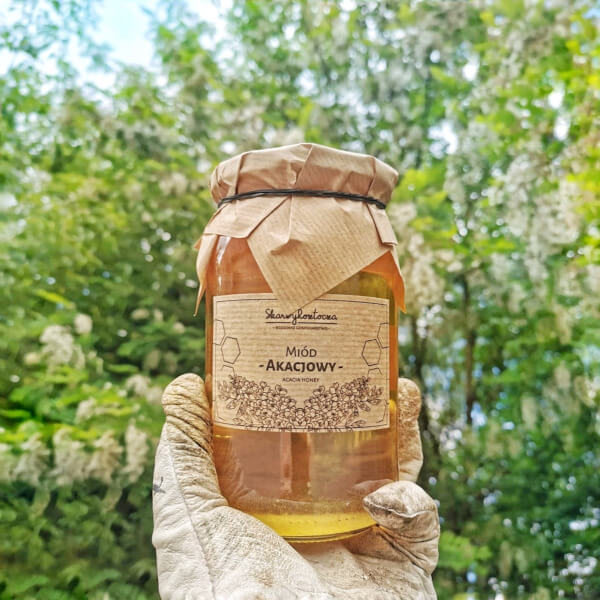
Acacia honey -it is an exceptionally delicate and sweet honey, which is one of the mildest available on the market. It is made from the nectar of acacia flowers and is distinguished by a light, almost transparent colour. It is rich in fructose, which makes it crystallise slowly, making it easier to store and dose. Its subtle taste makes it an excellent choice for children, who often eat it eagerly. Acacia honey is also gentle on the stomach, which means it can be used in the diet of more sensitive people.
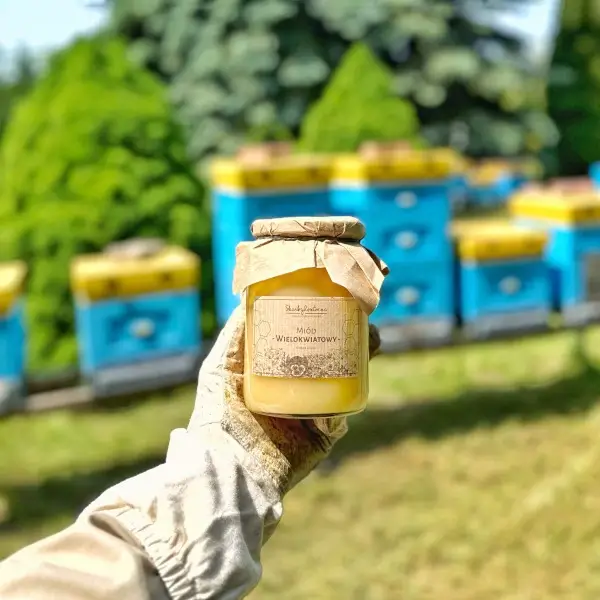
Multi-flower honey -it is one of the most popular types of honey, which is produced from the nectar of many different species of flowers. Its taste and colour can vary depending on the season and location, but it is usually mild, sweet and delicate. Multi-flower honey is rich in vitamins, minerals and enzymes, which makes it excellent support for the immune system. Thanks to the variety of flowers it comes from, it has a wide spectrum of health-promoting properties. Recommended for children due to its pleasant taste and mild character, easily accepted by toddlers.
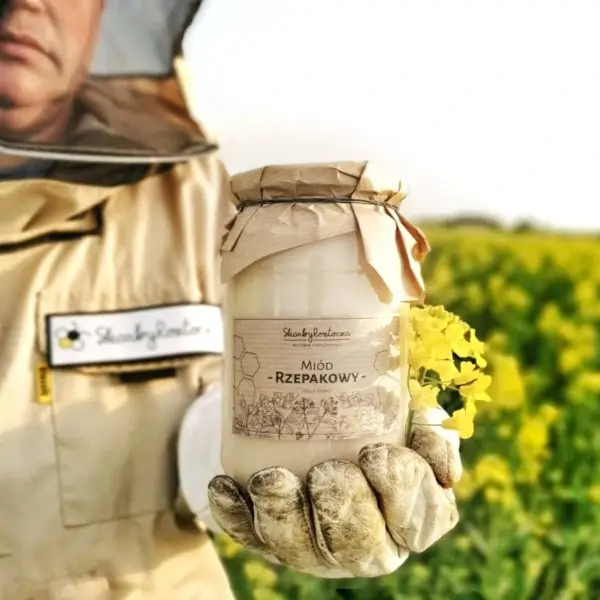
Rapeseed honey - is another mild honey, ideal for children. It has a light, almost white colour and a delicate, sweet taste that may appeal even to the youngest. It is worth adding that rapeseed honey is one of the fastest-crystallising honeys, which means that it changes its consistency to a more granular one quite quickly. Despite this, it still retains its health properties and can be an excellent addition to drinks or dishes for children. Rapeseed honey is rich in glucose, which makes it a good source of energy, and at the same time has a mild effect supporting the digestive system.
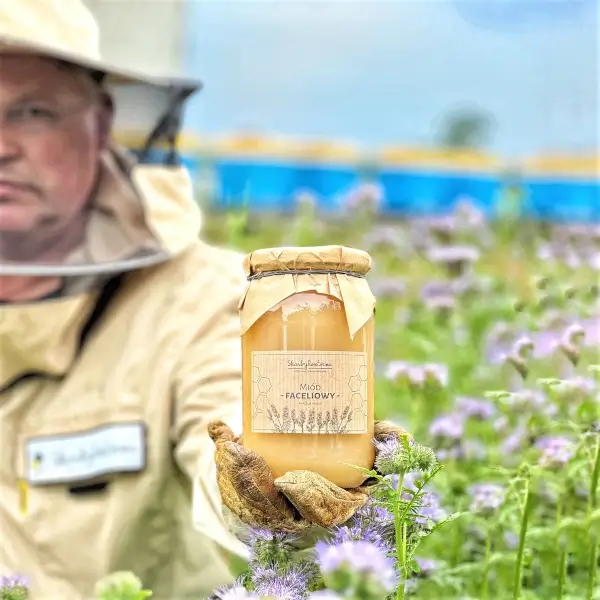
Phacelia honey - produced from a plant called phacelia, is another option worth considering for children. Its taste is subtle and its aroma delicate, which makes it well tolerated by young taste buds. Phacelia honey has a characteristic light colour and crystallises more slowly, similar to acacia honey. It is also rich in mineral components, such as potassium and magnesium, which makes it a valuable addition to the diet, particularly supporting the immune system and the body's regeneration.
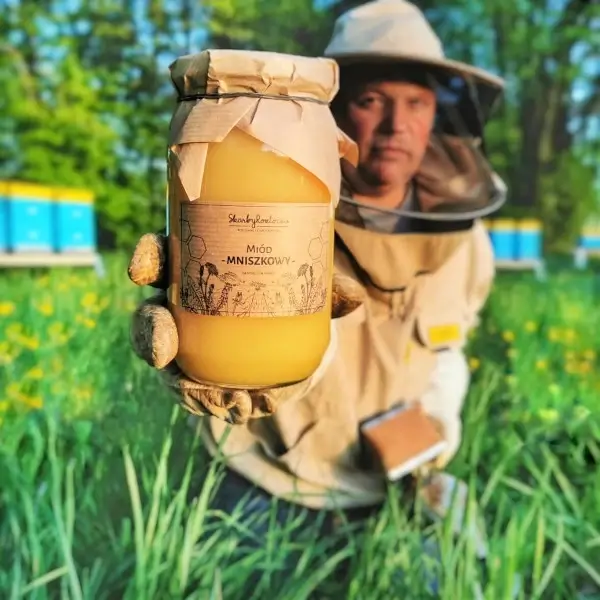
Dandelion honey -is a valuable type of honey, produced from the nectar of dandelion flowers. It is characterised by an intense yellow colour and a sweet, floral taste with a delicate, slightly herbal note. It is rich in vitamins and minerals, especially potassium, and supports the digestive system and the liver. Dandelion honey crystallises quite quickly, forming a fine-grained structure, which does not affect its health properties. Thanks to its delicate taste, it is also a good choice for children, although it is less popular than other types of honey.
When choosing honey for children, it is worth avoiding those with an intense and sharp taste, such as buckwheat honey, linden honey, coniferous honeydew honey or heather honey. Although they have numerous health benefits, their distinct taste can be difficult for young children to accept. A sharp, bitter aftertaste can discourage a toddler from reaching for honey.
3. Dosage of honey for children
Although honey is a healthy and natural product, it is important to serve it in moderate amounts in a child's diet. Honey is rich in simple sugars, such as fructose and glucose, which provide energy quickly, but in excess can lead to health problems, such as being overweight or tooth decay. Consequently, appropriate dosage of honey, adapted to the child's age, is key.
Recommended dosage of honey for children:
Children aged 1-2 years - maximum 1-2 teaspoons per day. At this age, the child's digestive system is still sensitive, so small amounts of honey are enough to introduce it into the diet without overloading the body.
Children aged 3-6 years - 3 teaspoons per day. Older children can consume larger amounts of honey, which supports their immunity and provides energy, but moderation is still important.
Children over 6-12 years - maximum 6 teaspoons per day. For older children, honey can be a valuable element of the diet, especially during periods of increased energy demand, e.g. during physical activity or studying.
Older children - 2-4 tablespoons.
Honey can be served in many forms-as an addition to porridges, yoghurts, oatmeal, drinks (like tea or milk), but heating it above 40°C should be avoided. High temperatures destroy valuable enzymes, vitamins and nutrients that constitute the health-promoting properties of honey. Therefore, it is best to add it to slightly cooled drinks or cold dishes.
4. Health benefits of honey for children
Honey is a treasury of health. It is rich in vitamins, minerals and enzymes that support immunity and provide energy. Here are a few key benefits that honey can bring to children:
Strengthening the immune system -honey, especially multi-flower honey, contains flower pollen, which can support the body in fighting allergens. Regular consumption of honey can strengthen the body's natural immunity.
Soothing coughs and throat infections -honey is a natural remedy for soothing throat irritation. It is often used in treating coughs in children and acts as a natural antibacterial agent.
Energy for every day -honey provides simple sugars that are quickly absorbed by the body. It is therefore an excellent source of energy for the whole day, especially for active children.
5. Summary
Honey is not only a tasty addition to a child's diet but also a valuable product supporting health. However, it is key to serve it in the right quantities and only after the child has reached 12 months, to avoid the risk of botulism. Choose honey with a mild taste and remember about proper dosage. Honey is natural support for immunity, especially during cold periods, and also a healthy alternative to other sweets.
Bibliography/Sources:
- Bogdan Kędzia Honey as a source of infant botulism - Botulism and honey part II, Institute of Medicinal Plants and Preparations in Poznań [in:] Pasieka24.pl
- Bogdan Kędzia, Elżbieta Hołderna-Kędzia How to eat honey?, Bee products in nutrition and dietary supplementation. Institute of Medicinal Plants and Preparations in Poznań [in:] Pasieka24.pl