
Honey with fruit for children – healthy sweetness straight from nature
In a world full of artificial sweets and processed snacks, parents are increasingly looking for healthier alternatives for their children. One of the delicious and natural solutions is honey with freeze-dried fruit – real creamy treasures that combine the beneficial properties of multiflower honey with the intense flavour of fruit. Kids eat with their eyes – that's why colourful honeys are perfect for them!
Want to find out more about honey with fruit? We invite you to read this post!
Table of contents:
1. Why is honey with fruit the perfect snack for children?
2. Colourful honeys that children love
3. Which flavours can you find in our shop?
4. How to serve honey to children?
1. Why is honey with fruit the perfect snack for children?
Natural sweetness without preservatives - most sweets available in shops contain artificial colours, flavours, and preservatives. Children like them very much, but parents are aware that they are not good for health. Honey with fruit is a completely different story – they are naturally sweet because they are based on real multiflower honey and freeze-dried fruit. There is no added sugar or any artificial ingredients. The child gets sweetness, but in a healthy, safe form that does not burden the body.
Immunity boost - multiflower honey has long been used as a home remedy for colds or weakness. It has antibacterial properties and supports natural immunity. When we add fruit to it, which is also a source of vitamins and antioxidants – e.g. raspberries, blackcurrants, cranberries – we get a product that can support a child's health every day. It's a great way to naturally supplement the diet, especially in the autumn-winter period when children are more prone to infections.
A delicious way to have fruit all year round - fresh fruit is the healthiest, but its availability is limited. In summer there is plenty, but in winter and early spring the choice can be small and the quality often poorer. Honey with the addition of freeze-dried fruit solves this problem. The freeze-drying process allows the full nutritional value and intense flavour of the fruit to be preserved – without the need for preservatives or sugar. Thanks to this, children can enjoy the benefits of raspberries, haskap berries, or quince regardless of the season.
2. Colourful honeys that children love
Children often choose food with their eyes – colours are of great importance to them. That's why our honey with fruit is not only a healthy snack but also something that truly catches the attention of the youngest.
Thanks to natural fruits, each jar has a different colour:
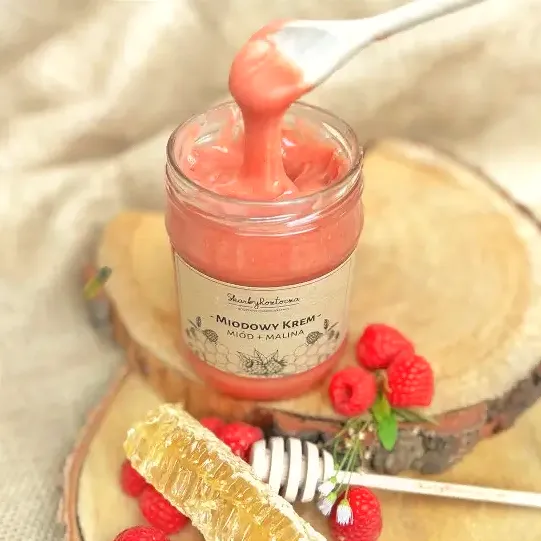
Honey with Raspberry is pink,
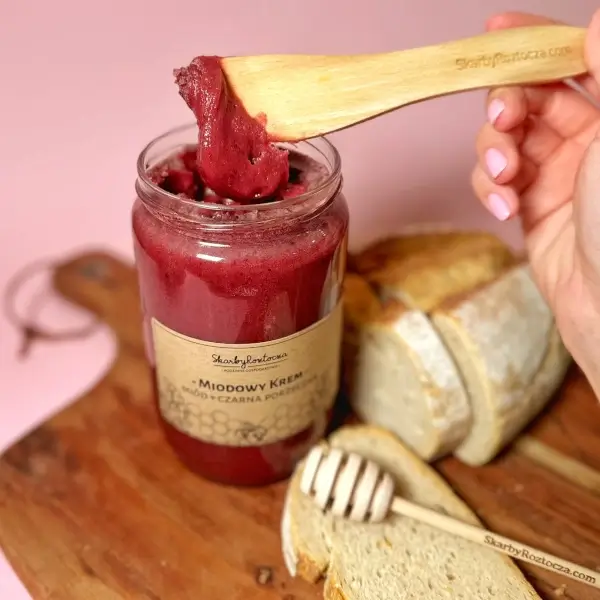
Honey with Blackcurrant has a purple hue,
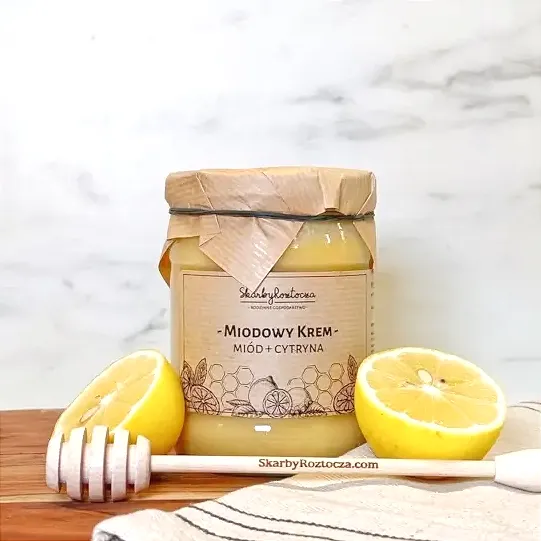
Honey with Lemon light yellow,
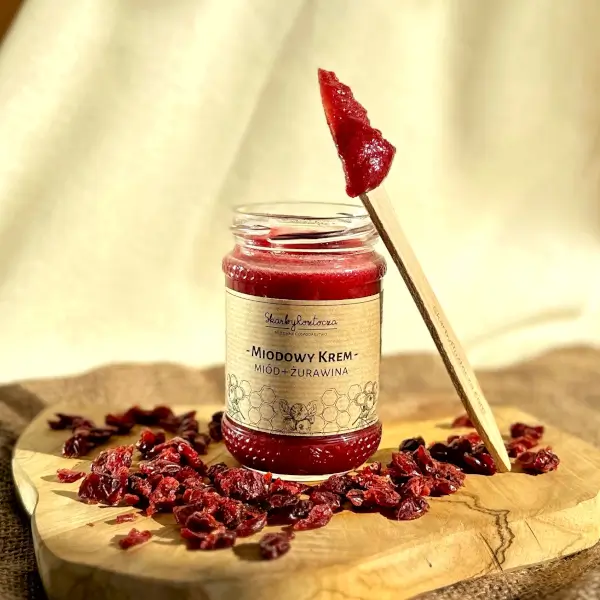
Honey with Cranberry deep red,
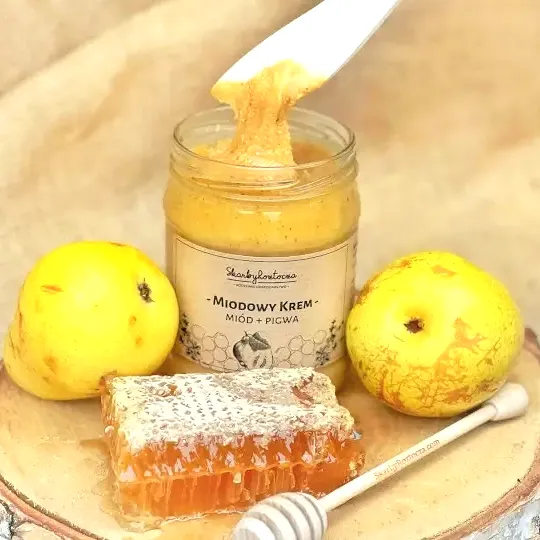
Honey with Quince light yellow,
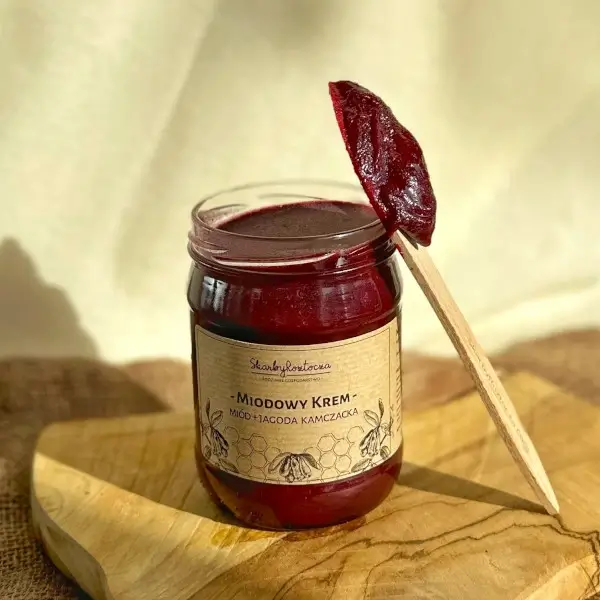
Honey with Haskap Berry gives a beautiful dark blue colour.
All this without artificial dyes – the colour comes exclusively from the fruit. Thanks to this, children are more willing to reach for such honey, treating it as a tasty and colourful "sweet", while parents can be sure they are choosing something valuable.
Colourful honey also works great in everyday meals: on a sandwich, with yoghurt, porridge, or pancakes. Instead of a boring cheese sandwich – a sandwich with pink raspberry honey?
For a child, it makes a huge difference!
Colour attracts, and the taste stays longer – that's why children simply love these little honeys.
3. Which flavours can you find with us?
Each jar has a creamy consistency that works great on a sandwich, pancake, in yoghurt, or as a sweet spoonful "straight from the pack". Here are our suggestions:
Honey with Raspberry – this is a taste that children recognise and eagerly choose.
Raspberries are rich in vitamin C, fibre, and antioxidants, thanks to which they support immunity and have anti-inflammatory effects.
Perfect as an addition to warm tea, yoghurt, or on a fresh bread roll with butter.
Honey with Lemon – excellent for starting the day or as an addition to summer drinks.
Lemon is a natural source of vitamin C and gentle support for digestion.
This honey works perfectly as a healthy alternative to water syrups or tea sweeteners.
Honey with Cranberry – more distinct, but still liked by children.
Cranberry is famous for its properties supporting urinary tract health and has antibacterial effects.
It's an excellent choice for colder days, especially during periods of reduced immunity.
Honey with Blackcurrant – has a deep, fruity taste with a noticeable hint of acidity. It is one of the richest natural products in vitamin C.
Blackcurrant supports the immune system, improves concentration, and can soothe inflammation.
Children like it for its characteristic taste and interesting purple colour.
Honey with Quince – Distinctive, slightly citrusy and aromatic – for little gourmets who like more intense notes.
Quince is rich in vitamin C and fibre, supports digestion and immunity.
A great choice for tea or as a variety for breakfast.
Honey with Haskap Berry – The taste of this berry somewhat resembles a blueberry, but with a clearer, slightly dry accent.
Haskap berry is a real antioxidant bomb – it supports vision, brain function, and immunity.
Although less known, it often becomes a children's favourite thanks to its intense colour and original taste.
4. How to serve honey to children?
Honey with fruit is a very universal product that can be served to children in many different ways – thanks to its creamy consistency, it is easy to spread and mix with other ingredients.
On sandwiches instead of jam - instead of traditional sweet creams or jams, honey with fruit is a healthier alternative that children often prefer due to its natural taste and beautiful colours. It tastes delicious on fresh bread or a roll and provides valuable vitamins and minerals.
As an addition to porridge or yoghurt - adding a teaspoon of fruit honey to morning porridge or yoghurt is a quick way to enrich a meal with natural sweetness and vitamins. Children like sweet flavours, and thanks to honey with fruit, their breakfast becomes more attractive and healthier.
For sweetening tea - honey is a great, natural sweetener for warm drinks. However, it is worth remembering not to add it to very hot tea – high temperatures above 40°C can destroy the valuable enzymes and properties of honey. It is best to add it to slightly cooled tea, e.g. fruit or herbal tea, which children enjoy drinking.
As a healthy, sweet snack - children often like to eat "honey" simply with a spoon, without any additions. This is a quick and natural snack that provides energy and valuable nutrients. Ideal as a small reward or an addition between meals.
5. Summary
Honey with freeze-dried fruit is a natural, healthy, and tasty alternative to artificial sweets that increasingly appear in children's diets. Thanks to the combination of multiflower honey with valuable fruits such as raspberry, cranberry, or haskap berry, a product rich in vitamins, antioxidants, and ingredients supporting immunity is created.
Colourful and creamy honeys attract kids at first glance, which makes it easier for parents to introduce healthy eating habits. They can be served in many ways – on sandwiches, in yoghurt, porridge, or as an addition to tea, as well as a tasty snack "straight from the jar".
Let's remember that honey is safe for children after 12 months of age and in moderate amounts constitutes not only a delicious but also a valuable snack. By choosing our honey with fruit, we give children the best – healthy sweetness straight from nature.