
How does honey affect blood composition?
Blood plays a key role in our body, transporting oxygen, nutrients, and hormones to all cells, while simultaneously removing unnecessary and harmful metabolic waste products. To perform these functions effectively, blood must have the correct structure and composition. Regular consumption of bee honey can have a significant impact on improving blood quality, as confirmed by numerous studies and observations.
If you want to learn more, we invite you to read the full post on our blog dedicated to the influence of honey on blood composition!
Table of contents:
1. Increase in haemoglobin levels
4. Improving blood quality in children and the elderly
5. Natural strengthening of the circulatory system
6. Which honey is best for the circulatory system?
1. Increase in haemoglobin levels
One of the main components of blood are red blood cells, known as erythrocytes, which are responsible for transporting oxygen from the lungs to all the tissues of the body. Erythrocytes contain haemoglobin, a protein that binds oxygen and enables its transport. If the level of haemoglobin in red blood cells is low, the body is unable to deliver enough oxygen to the cells, leading to anaemia, manifested by fatigue, weakness, and a decline in well-being.
Studies have shown that regular consumption of bee honey can significantly increase haemoglobin levels in the blood. For example, studies conducted on children showed that after regular honey consumption, their haemoglobin levels increased by an average of 8.5%. These children also gained weight, which indicates an improvement in overall health.
2. Mineral content
Bee honey is rich in minerals such as iron, phosphorus, and magnesium, which are essential for the proper functioning of the circulatory system. Iron is a key component of haemoglobin, and its presence in honey supports the production of new red blood cells in the bone marrow. Regular consumption of honey can therefore prevent iron deficiencies and, consequently, reduce the risk of anaemia.
3. Impact on heart function
Bee honey not only affects blood composition but also supports the work of the heart, which constantly pumps blood through our body. To work effectively, the heart needs a constant supply of energy, which it derives mainly from glucose. Bee honey, being a natural source of easily absorbed glucose, provides the heart with the 'fuel' necessary for its proper functioning. Furthermore, the simple sugars contained in honey are quickly absorbed from the digestive tract, making them work faster and more effectively than synthetic sugars.
4. Improving blood quality in children and the elderly
Regular consumption of bee honey can bring benefits to both children and the elderly.
Studies conducted on children have shown that honey helps improve their physical condition by increasing the number of red blood cells and haemoglobin levels.
Similar studies conducted on adults, including soldiers during wartime, showed that bee honey can contribute to a faster recovery by increasing haemoglobin content and shortening hospitalisation time.
5. Natural strengthening of the circulatory system
Bee honey is not only a source of energy but also a natural agent that strengthens the heart and circulatory system. Unlike synthetic preparations that may artificially stimulate heart function, honey works in a natural way, providing essential nutrients that support its function. Thanks to the glucose and mineral content, bee honey strengthens the heart and improves overall blood quality, which translates into better well-being and health.
Consuming bee honey can have a significant impact on improving blood composition, increasing haemoglobin levels, and supporting heart function. Thanks to its natural properties, honey is an excellent addition to the diet, supporting the health of the circulatory system.
6. Which honey is best for the circulatory system?
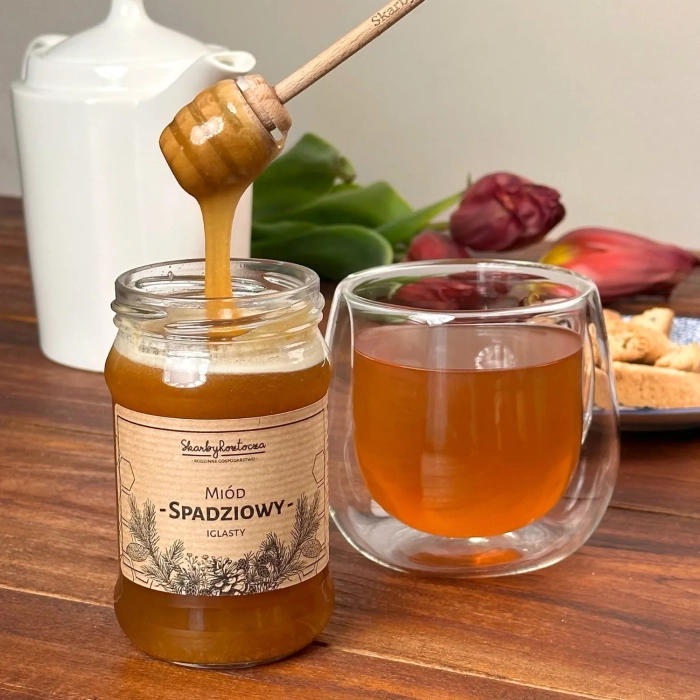
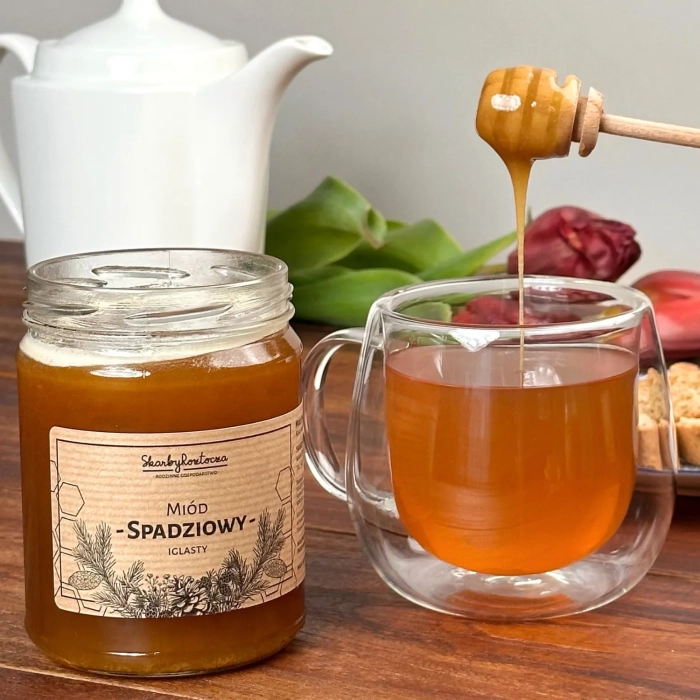
Honeydew Honey - particularly from coniferous trees, is exceptionally rich in minerals such as iron, magnesium, and potassium, which are crucial for blood health. Iron is essential for the production of haemoglobin, which is responsible for oxygen transport in the blood. Regular consumption of honeydew honey can support people with anaemia by increasing haemoglobin levels.

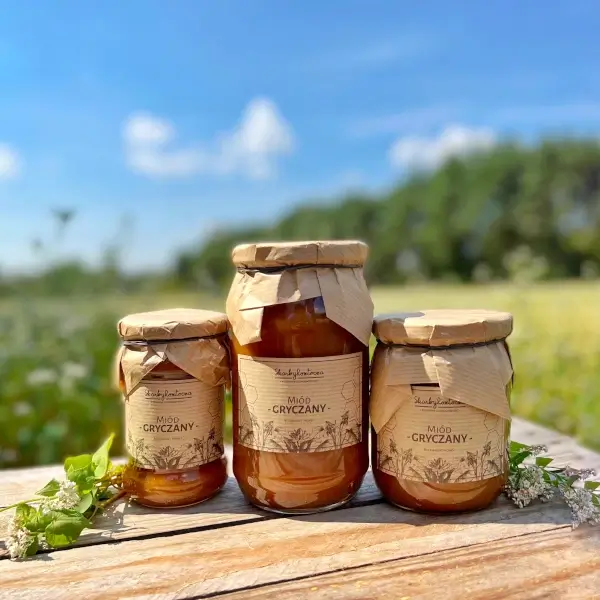
Buckwheat Honey - is known for its wealth of iron and rutin, which strengthen blood vessels and improve circulation. Iron is key in the process of creating red blood cells, and rutin supports the elasticity of blood vessels, preventing vessel fragility and supporting healthy circulation.
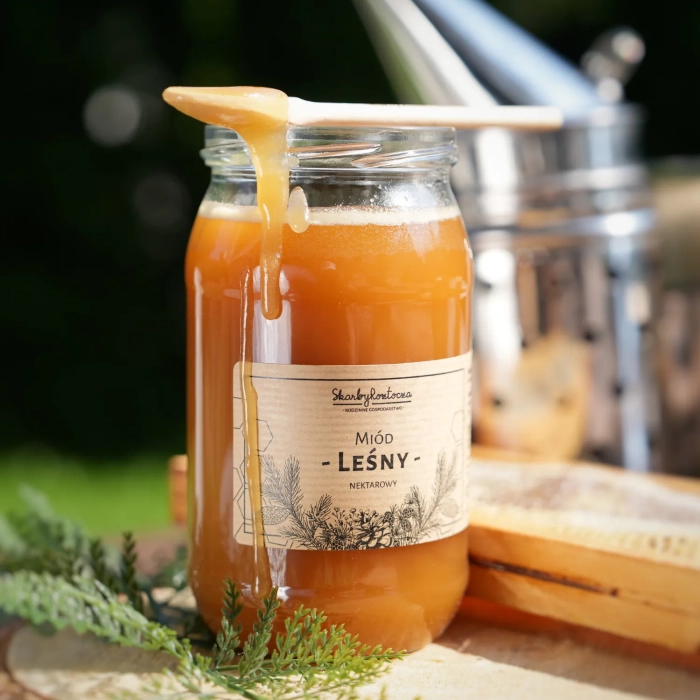
Forest Honey - is a unique type of honey created from the nectar of flowers growing in forests, as well as from the honeydew secretions of trees. Its rich composition makes it excellent for the circulatory system. Forest honey supports heart function, strengthens blood vessels, and improves circulation. Thanks to its antioxidant content, it also supports the cleansing of the blood from toxins, contributing to the overall strengthening of the body. Regular consumption of forest honey can help maintain a healthy circulatory system and improve blood quality.

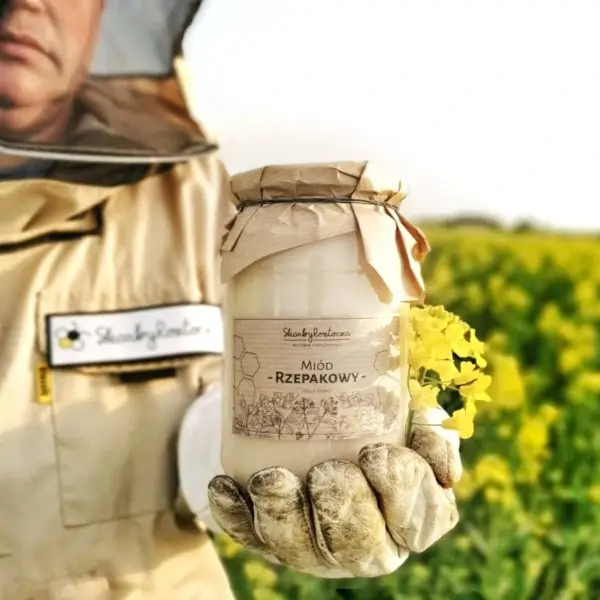
Rapeseed Honey - is a light, sweet honey with a delicate flavour that comes from the nectar of rapeseed flowers. It is characterised by rapid crystallisation, which is the result of its high glucose content. Thanks to its wealth of vitamins, minerals, and antioxidants, rapeseed honey supports digestive and circulatory health, and its anti-inflammatory and antibacterial properties make it an excellent addition to the diet. It is also valued for its supportive action in cases of colds and respiratory system problems.
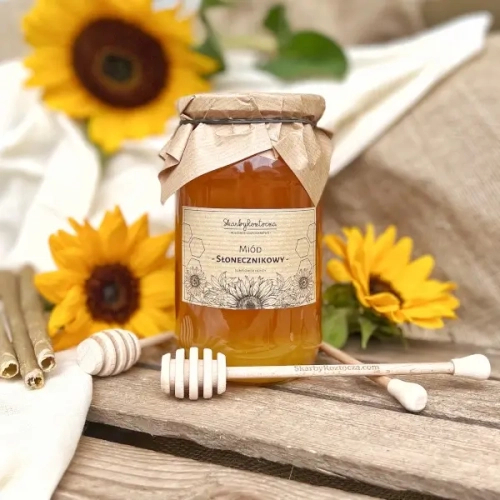
Sunflower Honey - comes from the nectar of sunflower blossoms and stands out with its deep yellow colour and intense, sweet taste with a slight nutty note. It is rich in vitamins, minerals, and antioxidants that support the health of the entire body. Its action has a beneficial effect on the circulatory system thanks to its high iron and magnesium content, which can support the production of red blood cells and improve blood circulation. Sunflower honey is also valued for its anti-inflammatory and immune-strengthening properties.
7. Summary
Bee honey is a natural treasure that can significantly affect the composition and function of our blood. An increase in haemoglobin levels, support for red blood cell production, providing essential minerals and glucose – these are just some of the benefits brought by the regular consumption of this golden liquid. It is worth including honey in your daily diet to enjoy its health-promoting properties and support the health of the entire body.
Source: Czekański M. Miodolecznictwo, Wydawnictwo M, ISBN 978-83-60725-28-3, Krakow 2007