
How is honey made?
Honey, this sweet and healthy product that so many of us love, is created through an incredibly complex and fascinating process involving honey bees. To understand how honey is made, it is worth looking at several key stages of this process and the essential elements required.
Want to find out how honey is made? We invite you to read this short article!
Table of contents:
1. Essential elements and equipment.
2. Stages of honey production.
3. How is honey extracted from the hive?
3.1 Preparing for honey extraction
3.2 Removing honey from the hive
4. Final stage of the honey harvest.
1. Essential elements and equipment.
- Honey bees
The main protagonists of the process – honey bees – are essential for honey production. A bee colony consists of a queen, workers, and drones, each playing a specific role in the honey production process.
- Hive
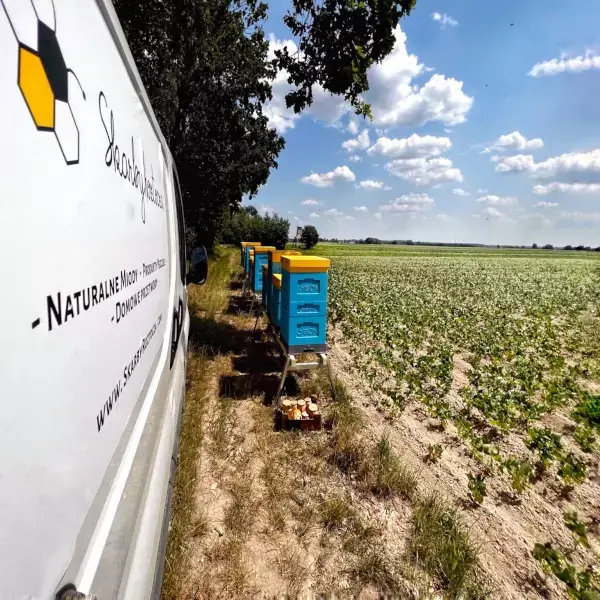
A hive is a structure where bees live and work. It can be natural, like a hollow in a tree, or a wooden beehive. The hive contains honeycombs, which bees build from beeswax or a beekeeper adds foundation sheets.
- Honeycombs
Honeycombs are structures built by bees from beeswax. They consist of hexagonal cells in which bees store nectar, honey, pollen, and eggs.
- Bee enzymes
Enzymes produced by bees, such as invertase, are essential for converting the sugars in nectar into glucose and fructose, which is a key stage in the formation of honey.
2. Stages of honey production.
- Collecting nectar
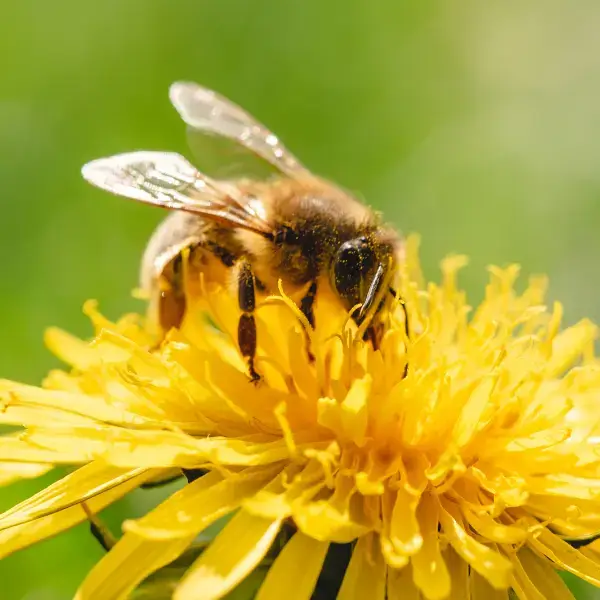
Worker bees (foragers) leave the hive and head out in search of flowers that produce nectar. Nectar is a sweet, sticky substance that flowers produce to attract pollinating insects. Using their long tongues, bees collect nectar and store it in a special "honey stomach".
- Transport to the hive
After returning to the hive, worker bees (foragers) pass the nectar to hive bees. This process involves the regurgitation of nectar from one "bee stomach" to another. During this process, enzymes produced by the bees begin to transform the sugars contained in the nectar.
- Processing nectar
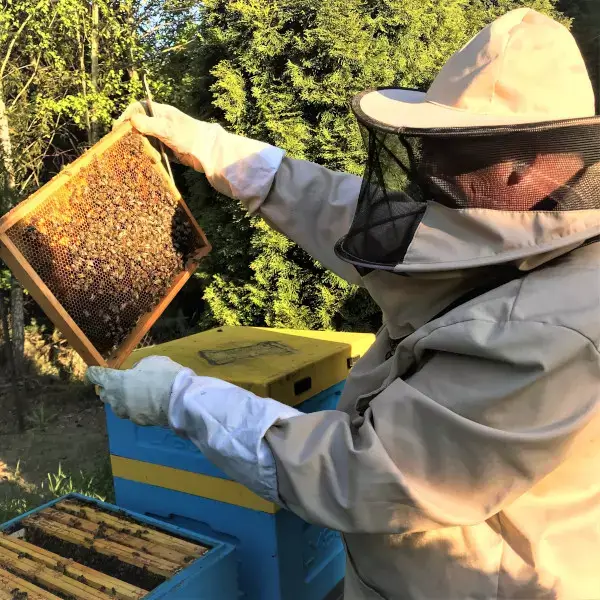
Hive bees place the transformed nectar in the honeycomb cells. To turn the nectar into honey, the bees must remove excess water from it. The bees ventilate the hive by fanning their wings, which accelerates the evaporation of water from the nectar.
- Sealing the honeycombs
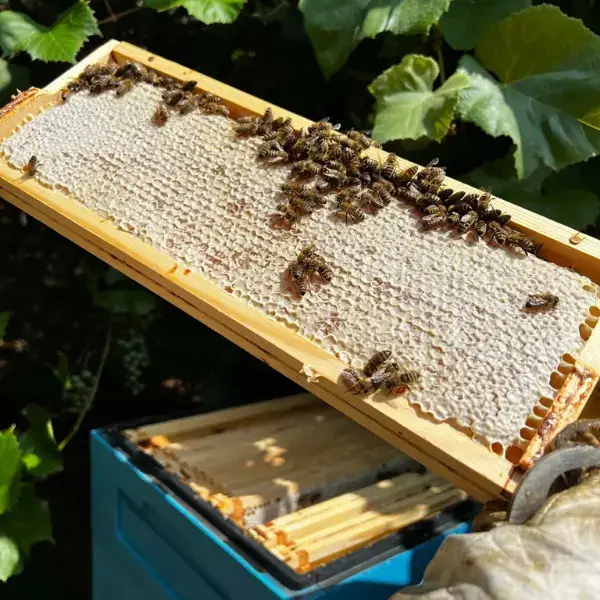
When the nectar thickens to the right consistency, the bees cover the honeycomb cells with beeswax to protect the honey from moisture and contaminants.
3. How is honey extracted from the hive?
Extracting honey from a hive is a complex yet fascinating process that requires precision and experience. Below, we present step-by-step how this process takes place, from preparing the hive to obtaining the finished product.
3.1 Preparing for honey extraction:
- Checking hive readiness
The first step is to check if the bees are ready for the honey harvest. An experienced beekeeper assesses the amount of honey in the combs and the health of the bees. Honeycombs are ready for harvest when most of the cells are covered with wax, meaning the honey is ripe.
- Using smoke
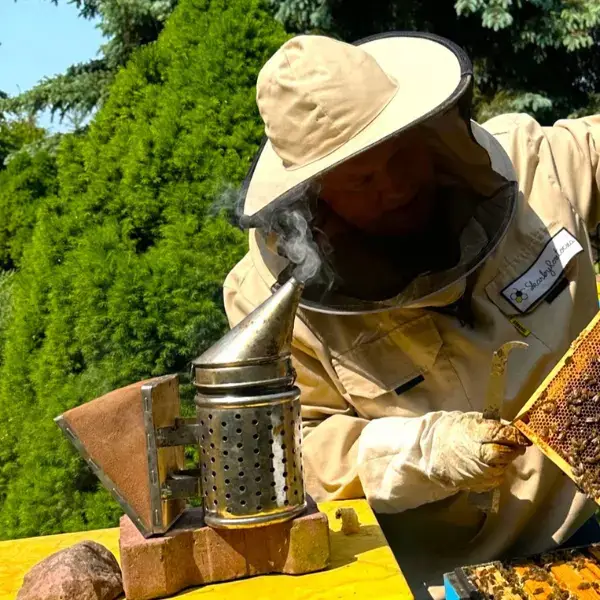
Before opening the hive, the beekeeper uses a smoker, which emits smoke. The smoke has a calming effect on the bees, making it easier to safely remove the frames of honey. Sensing the smoke, the bees begin to consume honey, preparing for a potential departure from the hive, which makes them less aggressive.
3.2 Removing honey from the hive
- Removing frames and transporting them to the apiary workshop
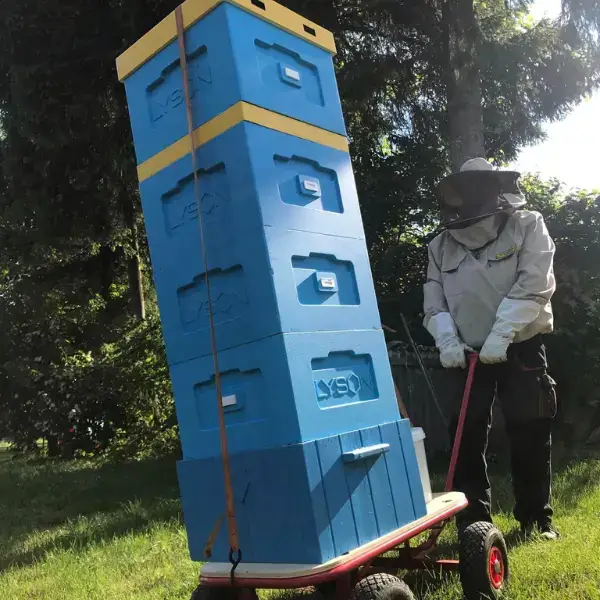
The beekeeper carefully removes the frames with honeycombs from the hive. The frames are full of hexagonal cells that the bees have filled and covered with wax. They are then transported in closed boxes to the apiary workshop.
- Uncapping frames
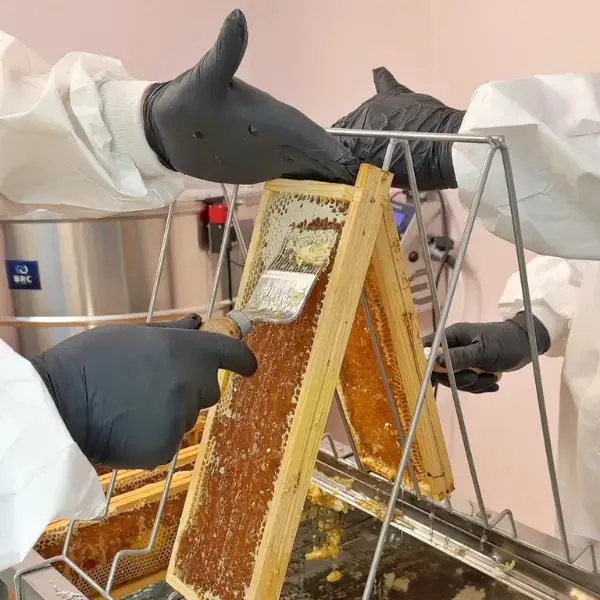
Next, the beekeeper removes the wax cappings from the comb cells. A special uncapping knife or fork is used for this, which gently removes the wax to reveal the honey.
- Honey extractor
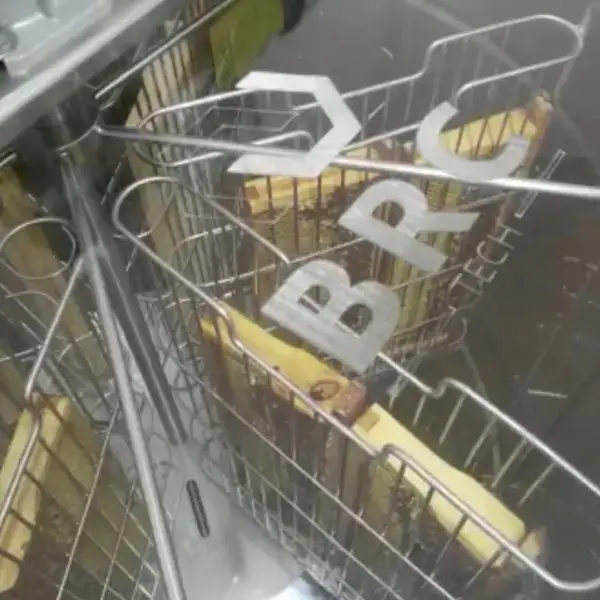
The uncapped frames are placed in a centrifuge, known as a honey extractor. The extractor is a device that rotates the frames at high speed, using centrifugal force to extract the honey from the honeycomb cells.
- Filtering and pouring into settling tanks
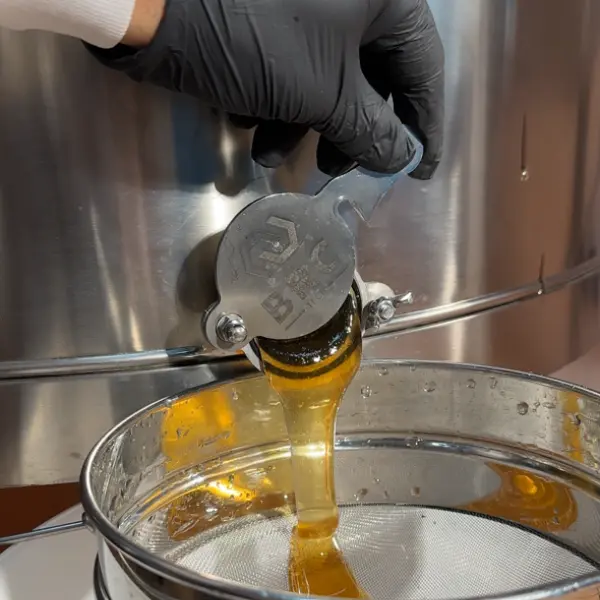
The extracted honey is poured into containers (settling tanks) and filtered to remove wax residue, pollen, and other small impurities. Filtration is done using sieves of various mesh sizes, which allows for obtaining clean honey.
4.Final stages of the honey harvest.
- Storage
Clean honey is poured into large special barrels or buckets, where it is stored before being poured into smaller jars. The containers must be clean, sterile, and dry to prevent the honey from fermenting.
- Bottling into jars
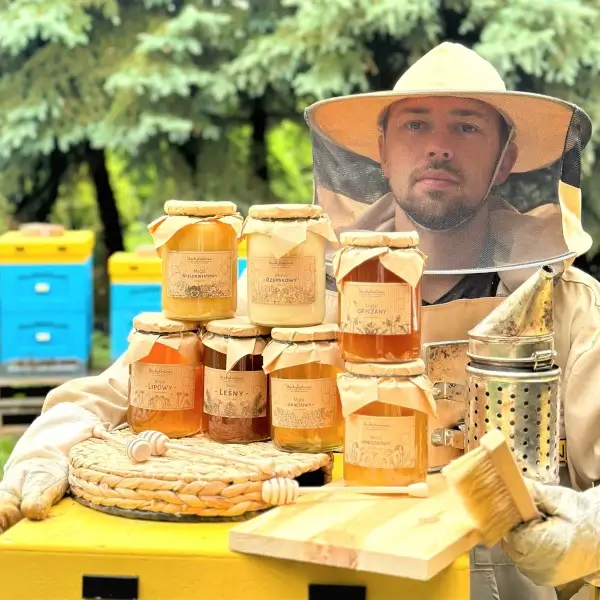
Finally, the honey is poured into jars. Each jar is tightly sealed and marked with a label containing information about the type of honey, the harvest location, and the production date.
5. Summary.
The process of honey production is a fascinating example of cooperation in the natural world. Honey bees collect nectar, process it using their enzymes, and store it in hives, creating a product rich in nutrients and with unique health properties. To create honey, not only are bees and flowers needed, but also appropriate conditions and structures, such as a hive and honeycombs. Thanks to this complex process, we can enjoy a sweet, natural product that has been used in our kitchens and medicine for centuries. Extracting honey from the hive is a process that requires care and experience. From preparing the hive and using smoke, through removing and uncapping the frames, to extraction, filtering, and storage – every stage is crucial to obtaining a high-quality product. Through the precise execution of these steps, beekeepers can provide us with honey that is not only delicious but also full of valuable nutrients.