
How can you help bees in your area? Simple actions that truly support pollinators.
Bees are some of the most important inhabitants of our ecosystem. It is thanks to them that a huge portion of plants is pollinated – both wild-growing ones and those that later end up on our tables. Unfortunately, the bee population is declining in many places around the world. The good news is that each of us can help them – even with a small garden, an allotment, or a balcony.
Below, we present a few simple ways you can create a bee-friendly place in your area. Enjoy!
Table of contents:
1. Sowing flower meadows
2. Planting honey-bearing trees and shrubs
4. Planting pollinator-friendly plants
5. Reducing chemicals in the garden
6. Creating shelter for wild bees
1. Sowing flower meadows
One of the simplest and at the same time most effective ways to help bees is by sowing flower meadows. Many gardens today are dominated by perfectly even, short-trimmed lawns. While they look aesthetic, from nature's point of view, they are almost a "biological desert" – they provide insects with neither food nor shelter.
By turning even a small section of your lawn into a colourful meadow full of flowers, we can create a place teeming with life that will become an important source of food for bees and other pollinators.
Why are flower meadows so important for bees?
Flower meadows serve as a natural canteen for bees. The diversity of plants means that for most of the year, insects can find nectar and pollen there, which are their primary sources of energy and protein.
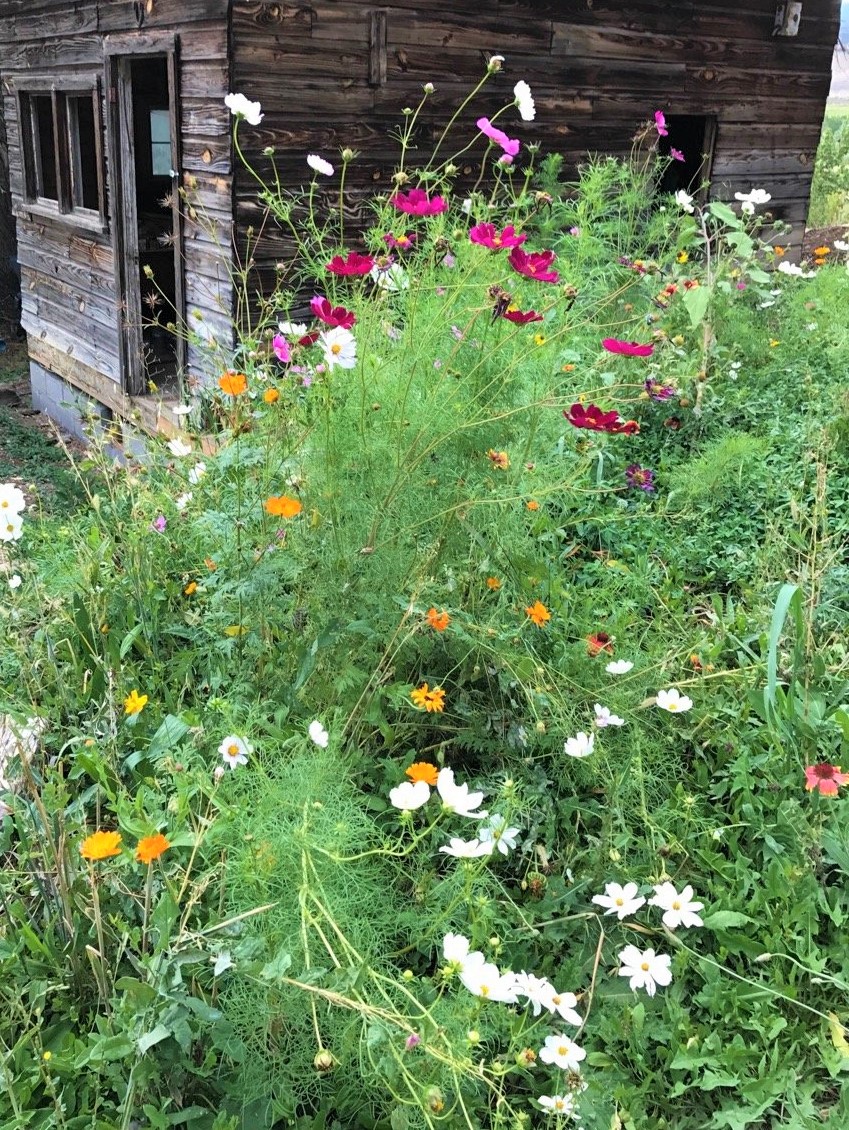
*The most important benefits of establishing flower meadows are:
-
constant access to food – plants bloom in different months, so bees have something to collect from spring until autumn,
-
support for many species of pollinators – in addition to bees, butterflies, bumblebees, and pollinating flies also appear there,
-
greater biodiversity in the garden.
As a result, the garden becomes not only more nature-friendly but also easier to maintain.
Which plants are worth sowing?
It is best to choose mixtures of honey-bearing plants that bloom at different times. This ensures that pollinators have access to food for many months.
In flower meadows, the following often appear:
-
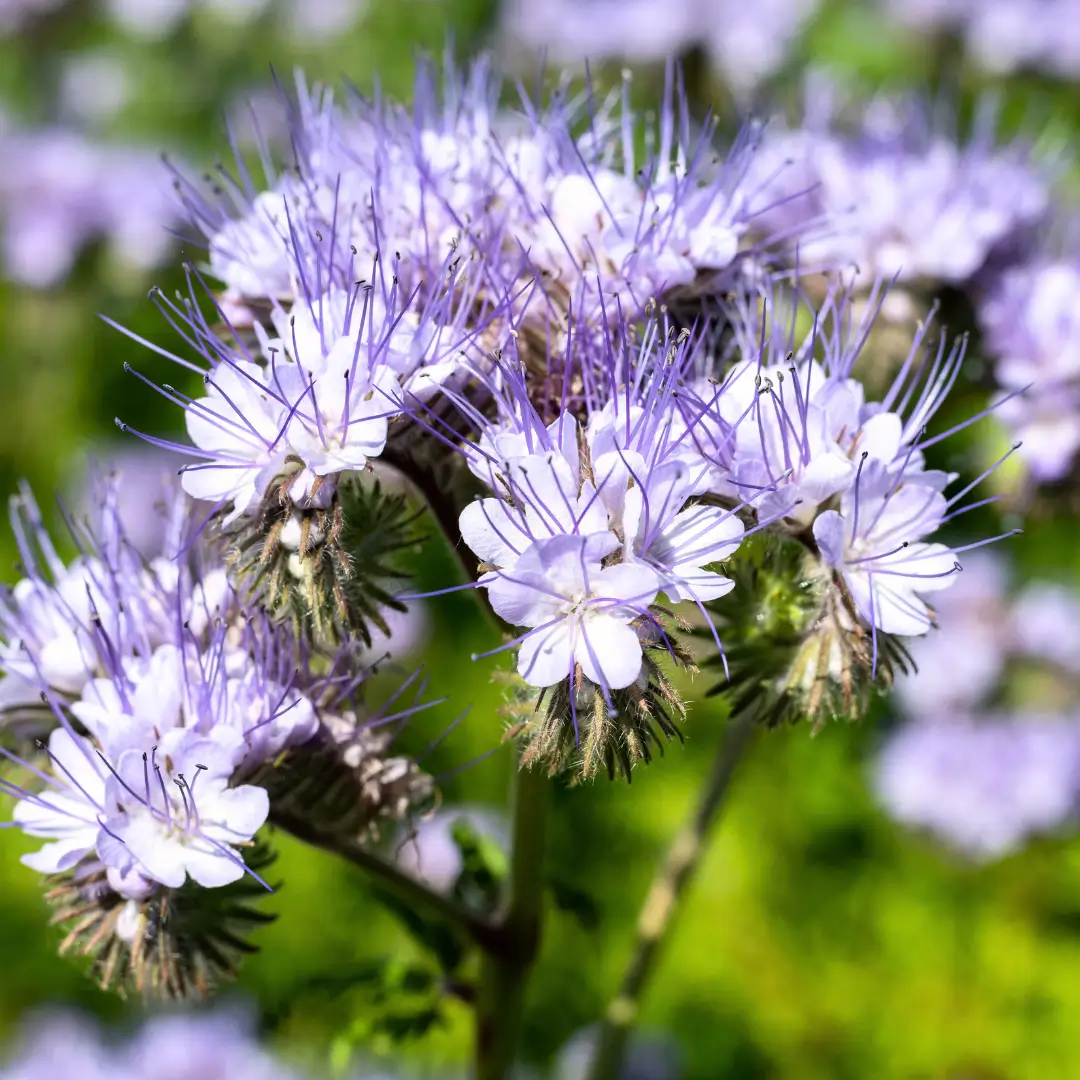
phacelia
-
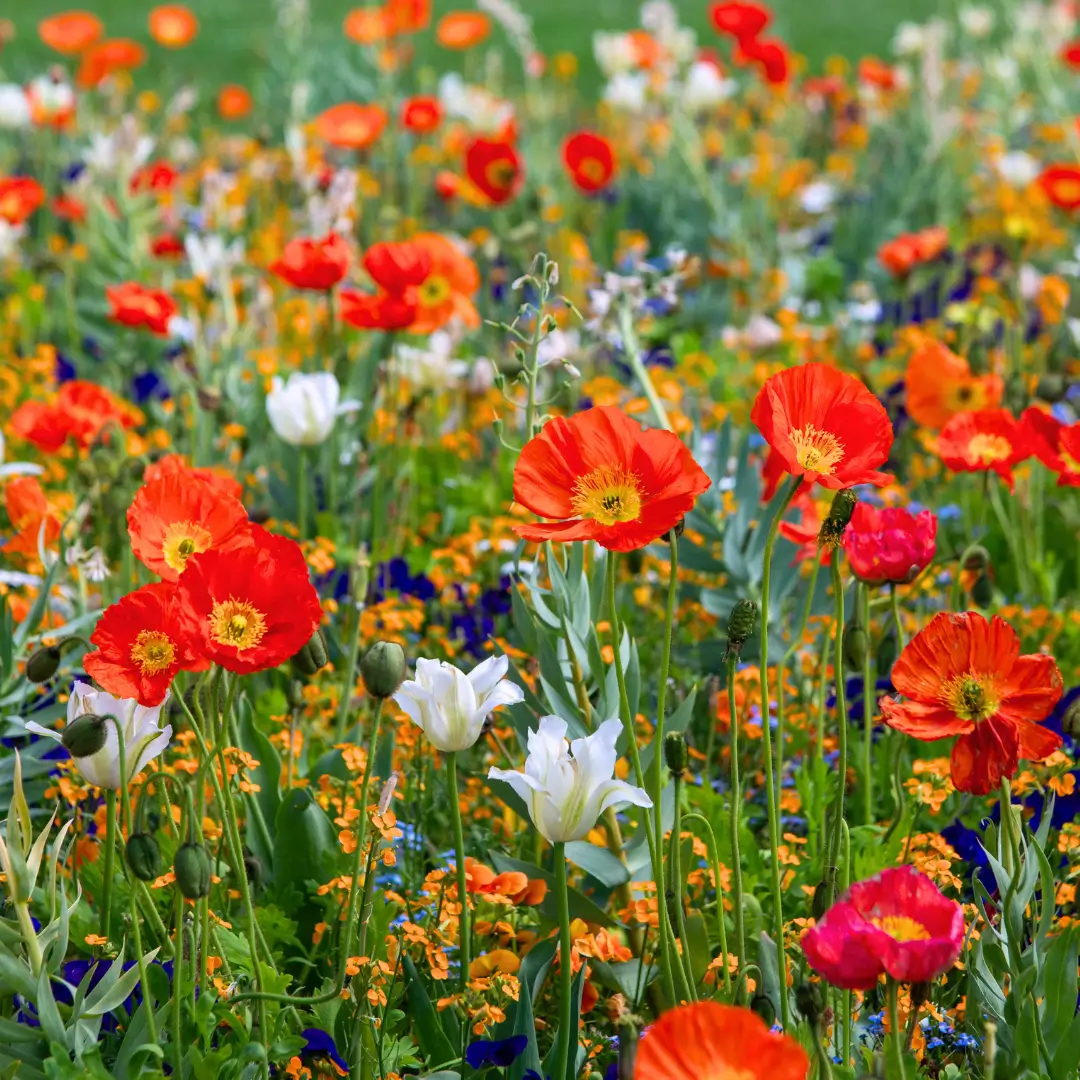
field poppy
-
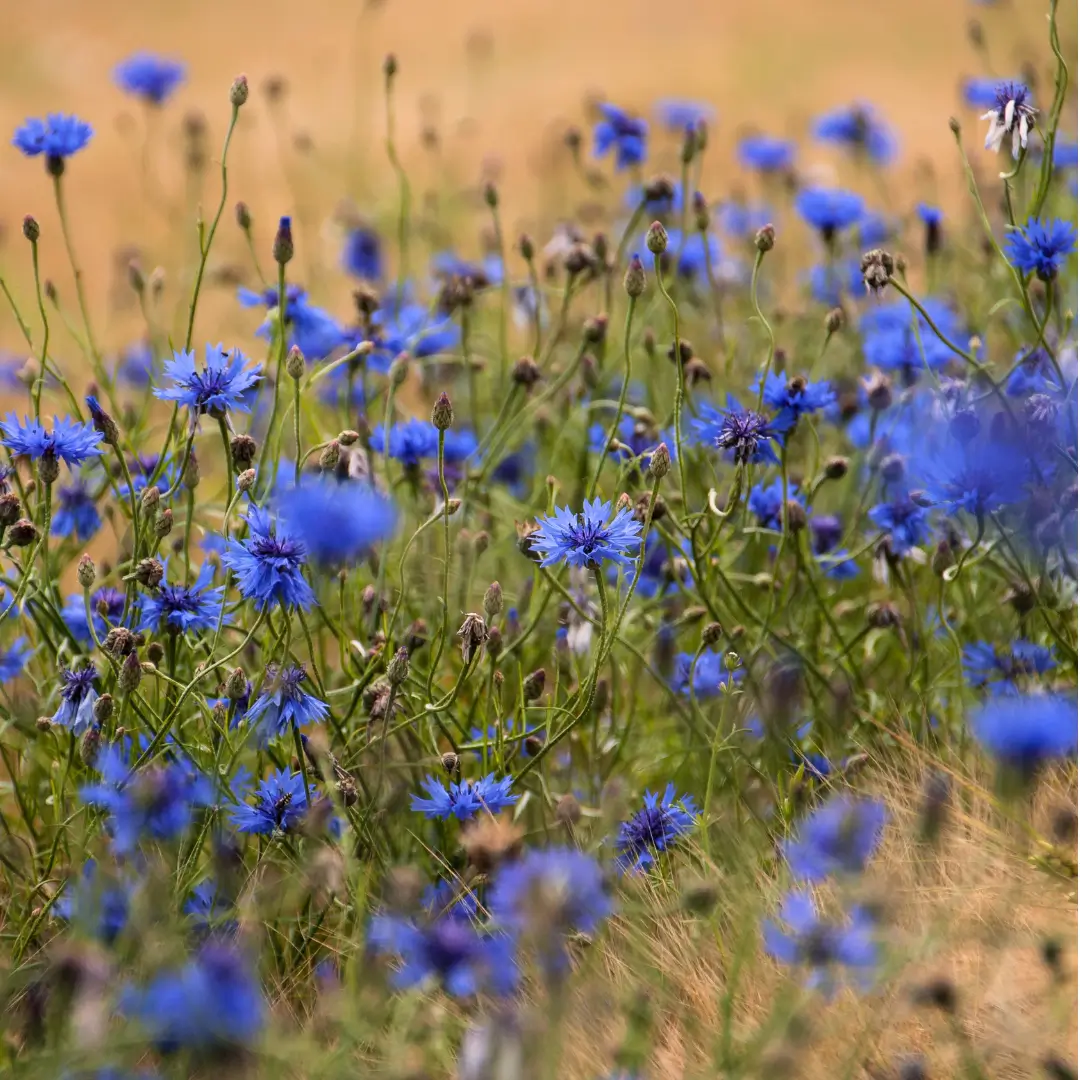
cornflower
-
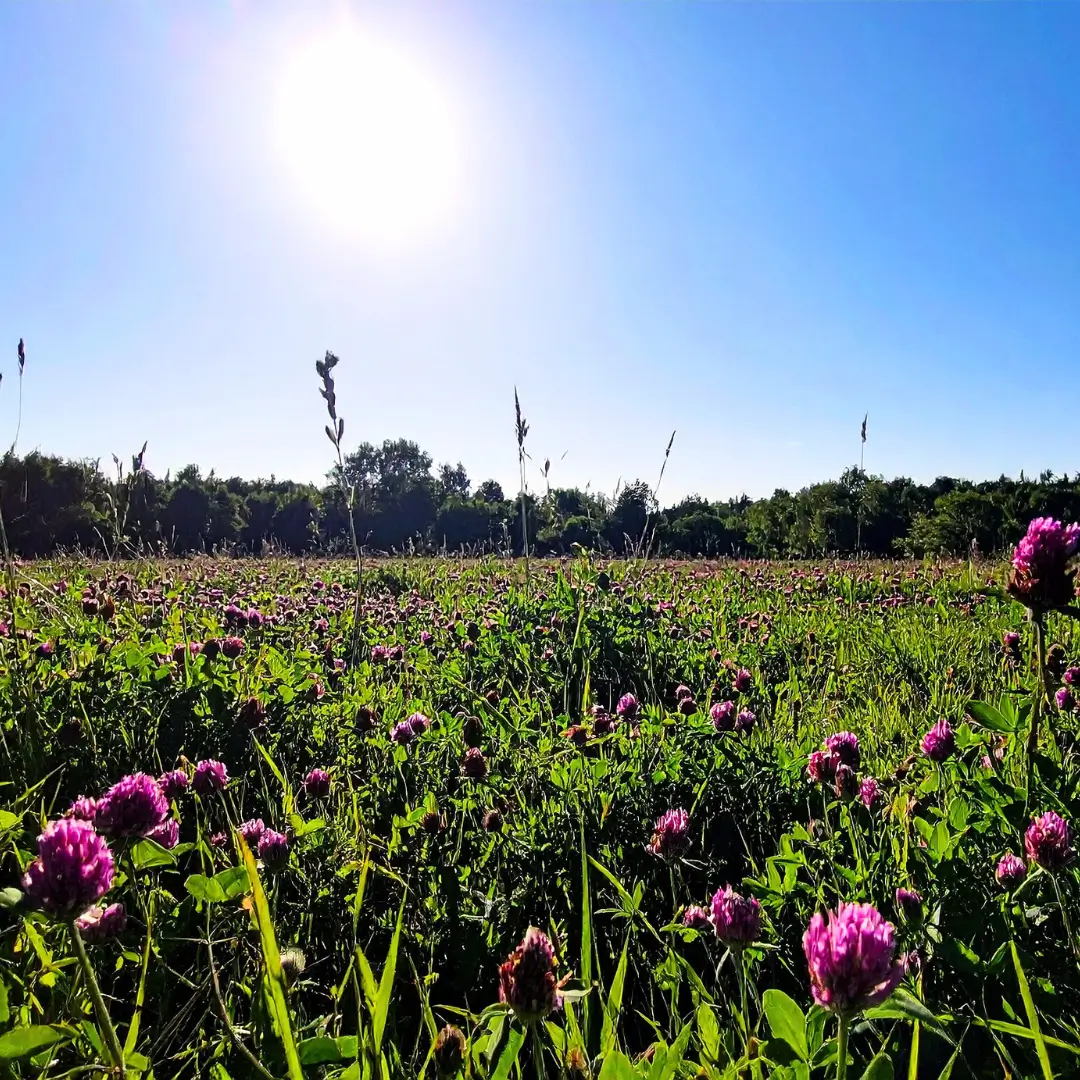
clover
-
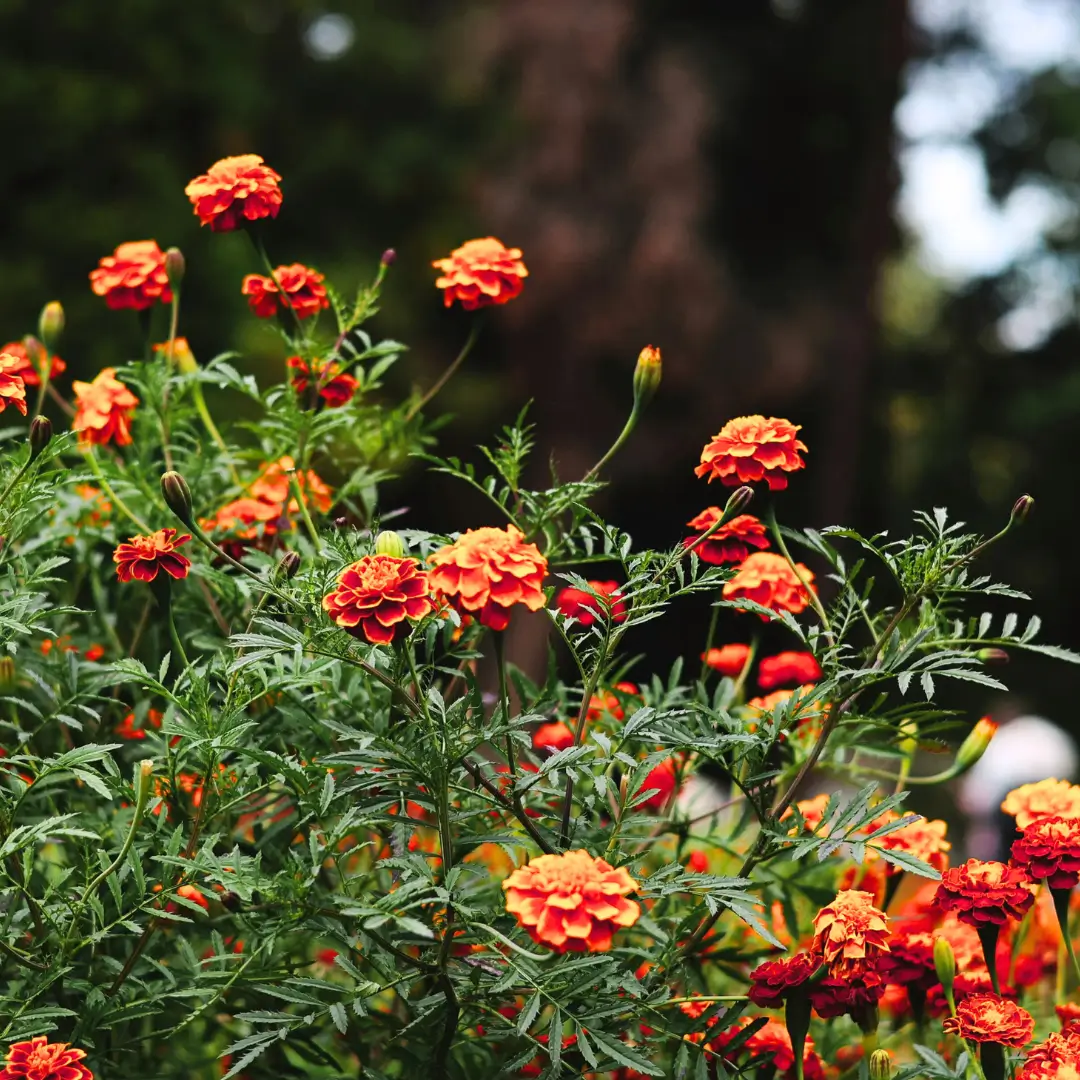
marigold
-
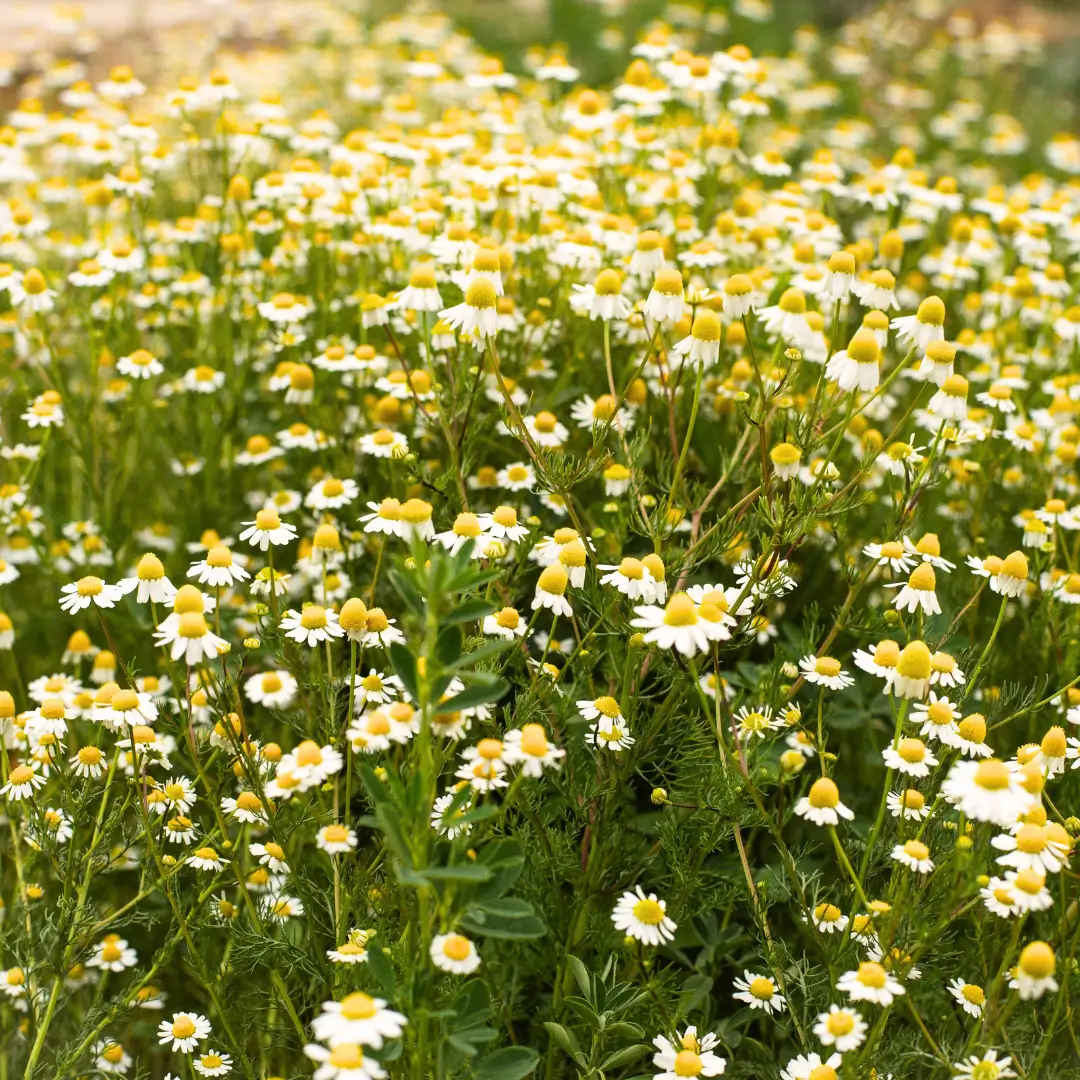
chamomile
-
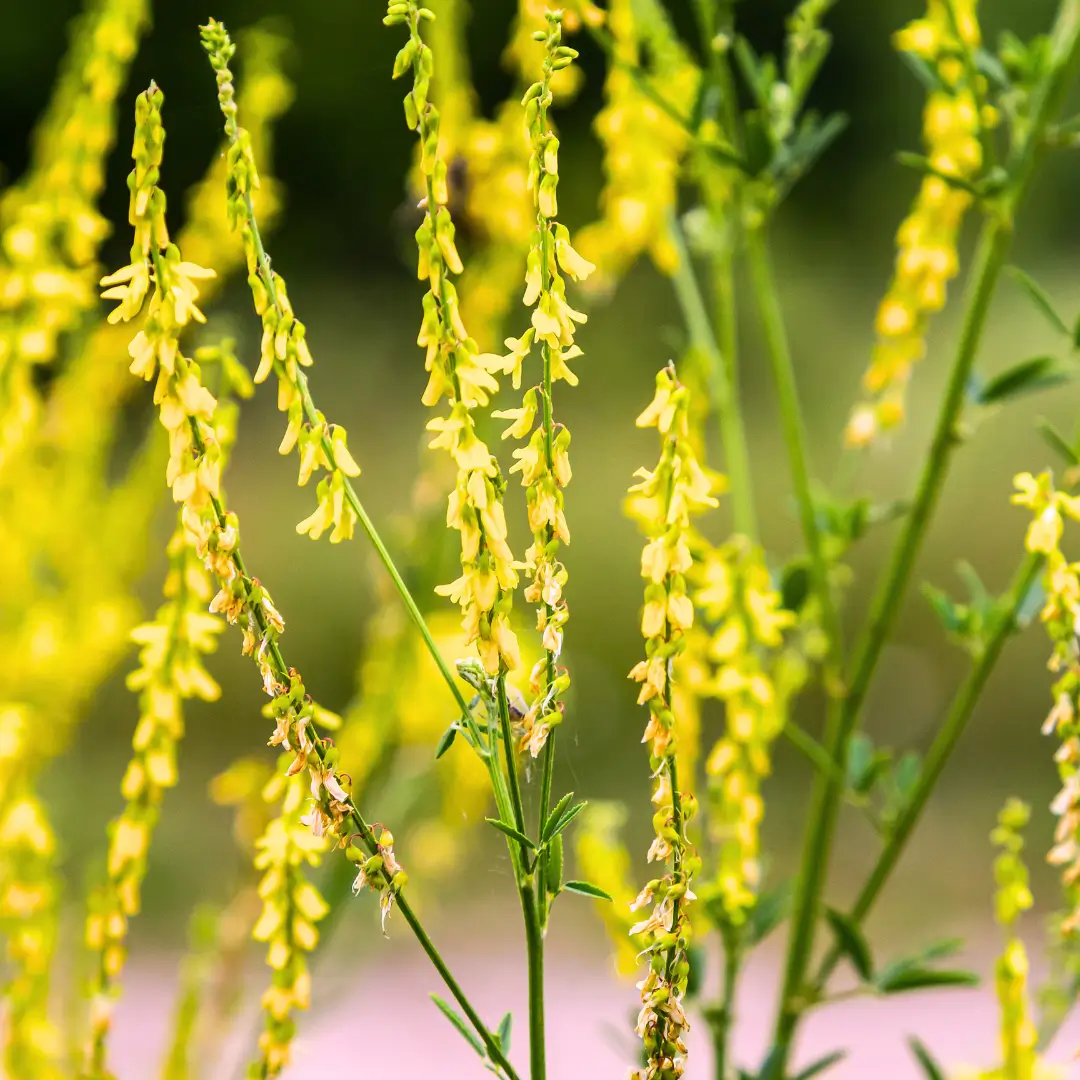
sweet clover
-
ornamental sunflower
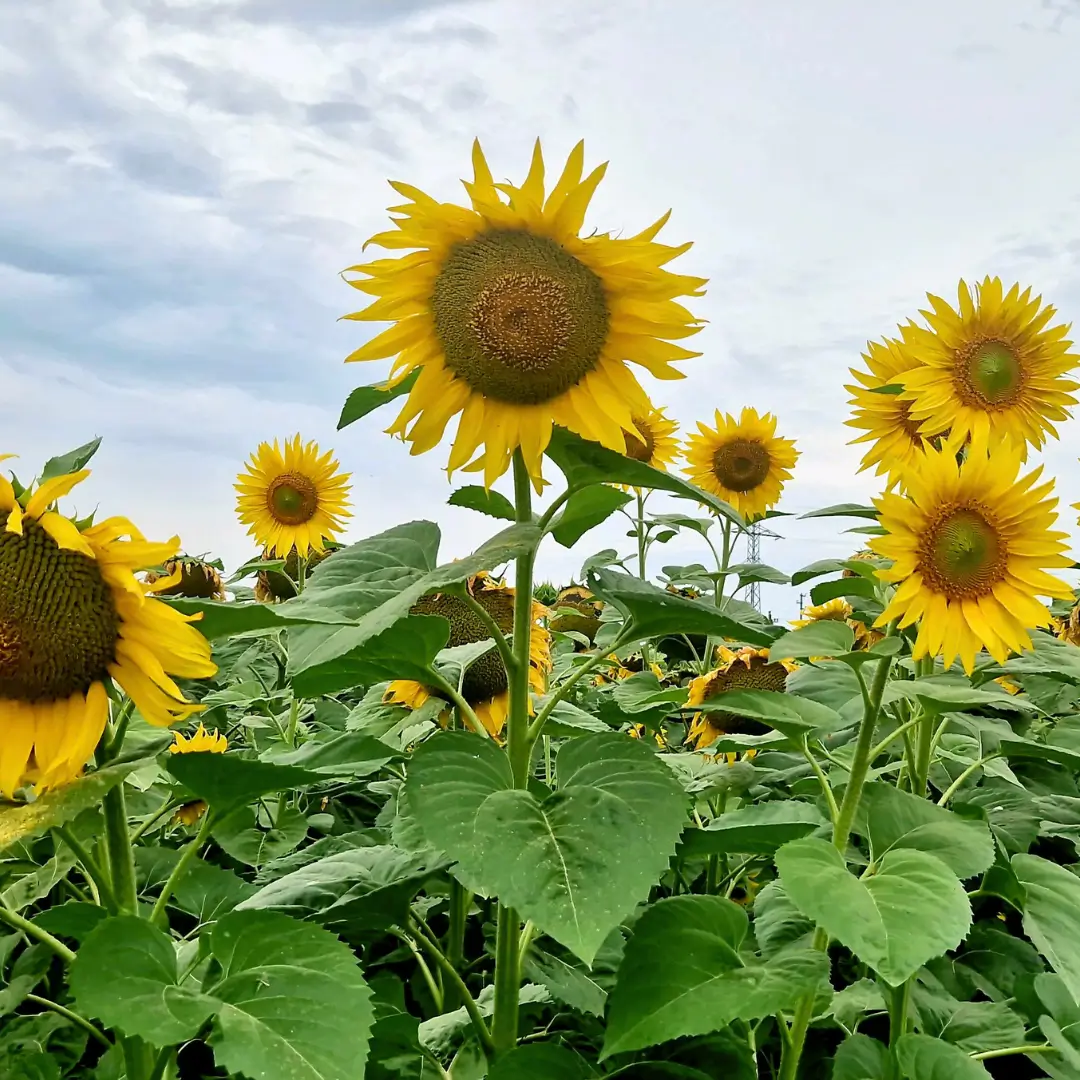
Such plants are not only attractive to insects but also create beautiful, colourful compositions in the garden.
Where can you establish a flower meadow?
Contrary to appearances, you don't need a large space. A meadow can be created:
-
in the garden by the house,
-
on an allotment,
-
at the edge of an orchard,
-
by the fence,
-
and even in pots, boxes, or flowerbeds on the balcony.
A small section is enough to create a place that will attract many pollinating insects.
2. Planting honey-bearing trees and shrubs
Trees and shrubs are an extremely valuable source of food for bees, especially in early spring when many herbaceous plants are not yet in bloom. This is precisely when pollinators most need access to nectar and pollen, which provide them with the energy and nutrients required for the development of the entire colony.
Planting honey-bearing plants in the garden, on an allotment, or in the space around the house can significantly improve the living conditions of bees in the immediate area. Importantly, trees and shrubs often bloom very abundantly, meaning they can provide huge amounts of food for many pollinating insects in a short time.
The most bee-friendly plants include:
-
linden (lime tree)
-
maple
-
willow
-
apple and other fruit trees
-
hawthorn
-
raspberries and blackberries
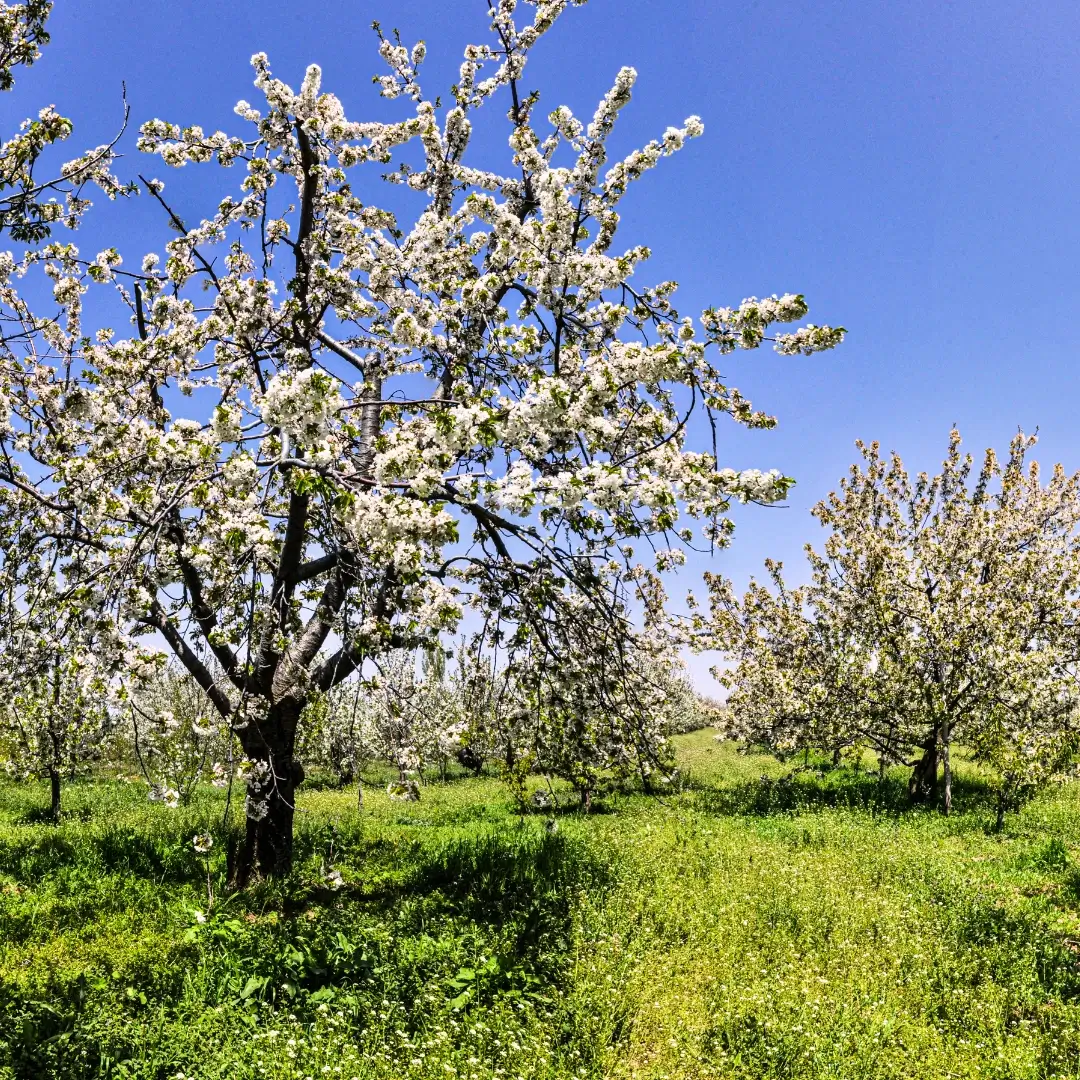
Willows are particularly valuable as they bloom very early and represent one of the first food sources after winter. Linden, on the other hand, is one of the most well-known honey-bearing trees – during its flowering period, it attracts vast numbers of bees, bumblebees, and other pollinators.
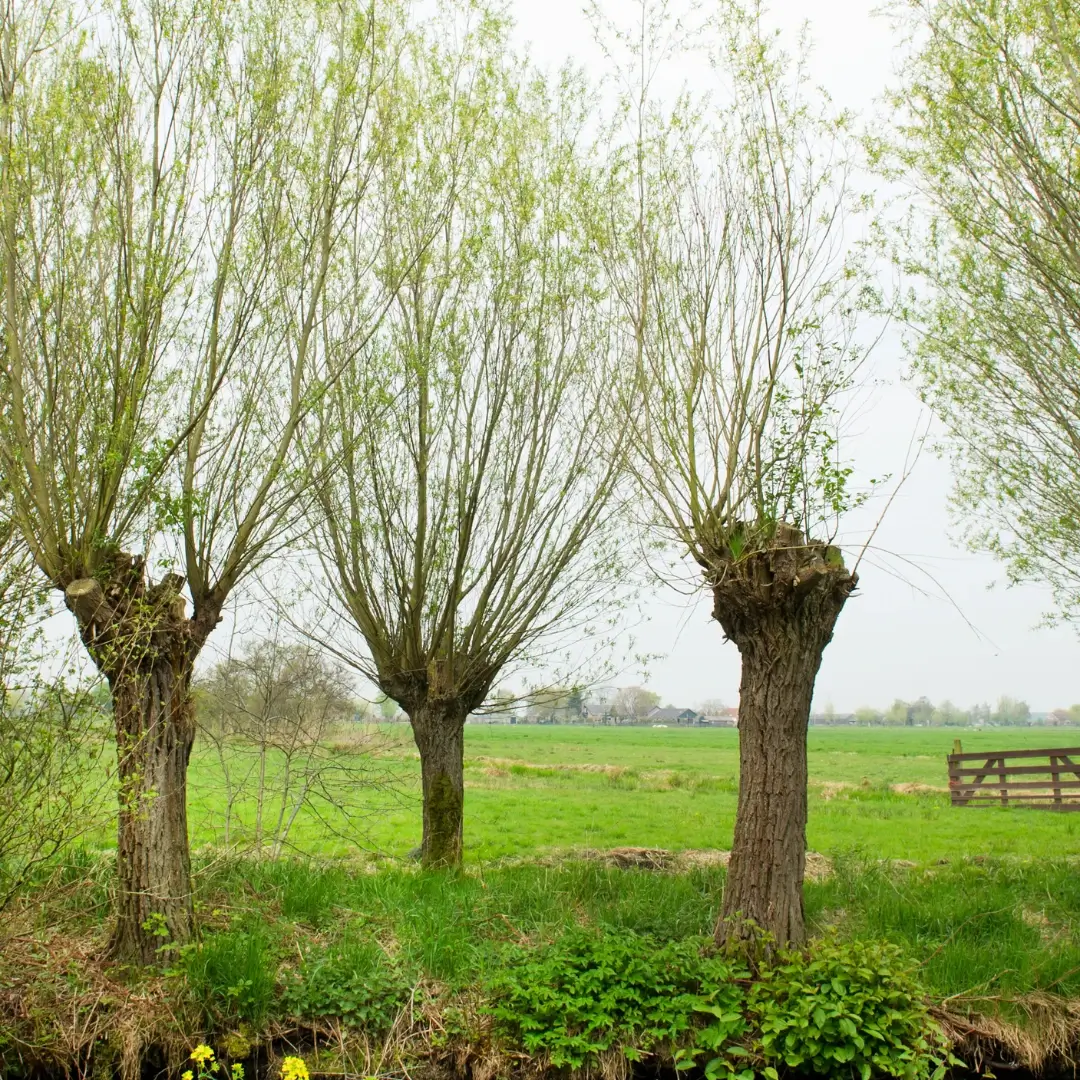
It is worth remembering that even a small garden can become an important place for insects. A few raspberry or blackberry bushes by the fence, a blooming apple tree, or a young linden tree is not just a decoration of the space, but also real support for local nature.
A single adult tree can provide bees with very large amounts of nectar and pollen, which is why planting trees and shrubs is a long-term investment – both for the environment and for our immediate surroundings. This makes the garden greener, more diverse, and friendly to many animal species.
3. Creating bee waterers
Bees, like other animals, need water to live. Water is essential for them not only to quench their thirst but also to regulate the temperature in the hive and to prepare food for the larvae. In a natural environment, insects use puddles, dew-covered plants, or the edges of streams. However, in cities and gardens, such places are becoming increasingly scarce, so access to water can be limited on hot days.
That is why it is worth preparing a simple bee waterer, which will help them drink water safely. It is a very easy solution that can be made in a few minutes.
How to make a bee waterer?
-
Choose a shallow dish, a plate, or a small bowl.
-
Fill it with fresh water.
-
Add stones, sticks, pieces of bark, or cork, which will serve as small "islands" where bees can safely land.
This allows the insects to drink water without the risk of drowning. Bees cannot swim, so stable landing spots are very important for them.
The waterer is best placed in a quiet, sunny spot in the garden, on an allotment, or even on a balcony. It is also important to remember to refill the water regularly, especially during hot days. It is also good to rinse the container once in a while to ensure the water is clean.
While it may seem like a small gesture, such a tiny source of water can be a huge help for bees – especially during periods of drought and high temperatures.
4. Planting pollinator-friendly plants
If you don't have space for a flower meadow, all is not lost. Even a few pots with the right plants can truly help bees and other pollinators. A balcony, terrace, or a small garden can also become a place where insects find a valuable source of nectar and pollen.
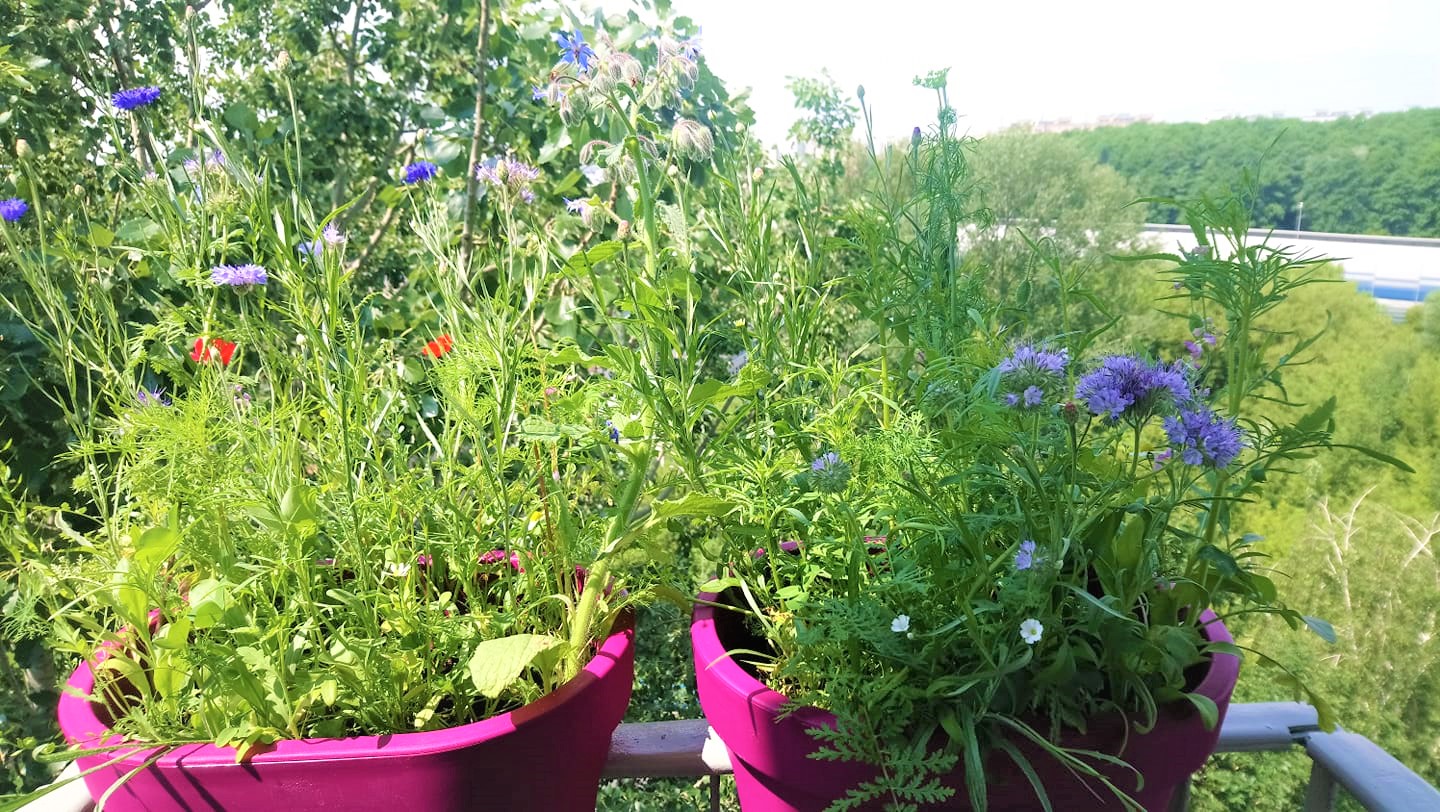
It is worth choosing plants that bloom for a long time and abundantly, while also being easy to grow. This way, they will not only support bees but also be a beautiful decoration for the space around your home.
In gardens, on balconies, and terraces, the following work exceptionally well:
-
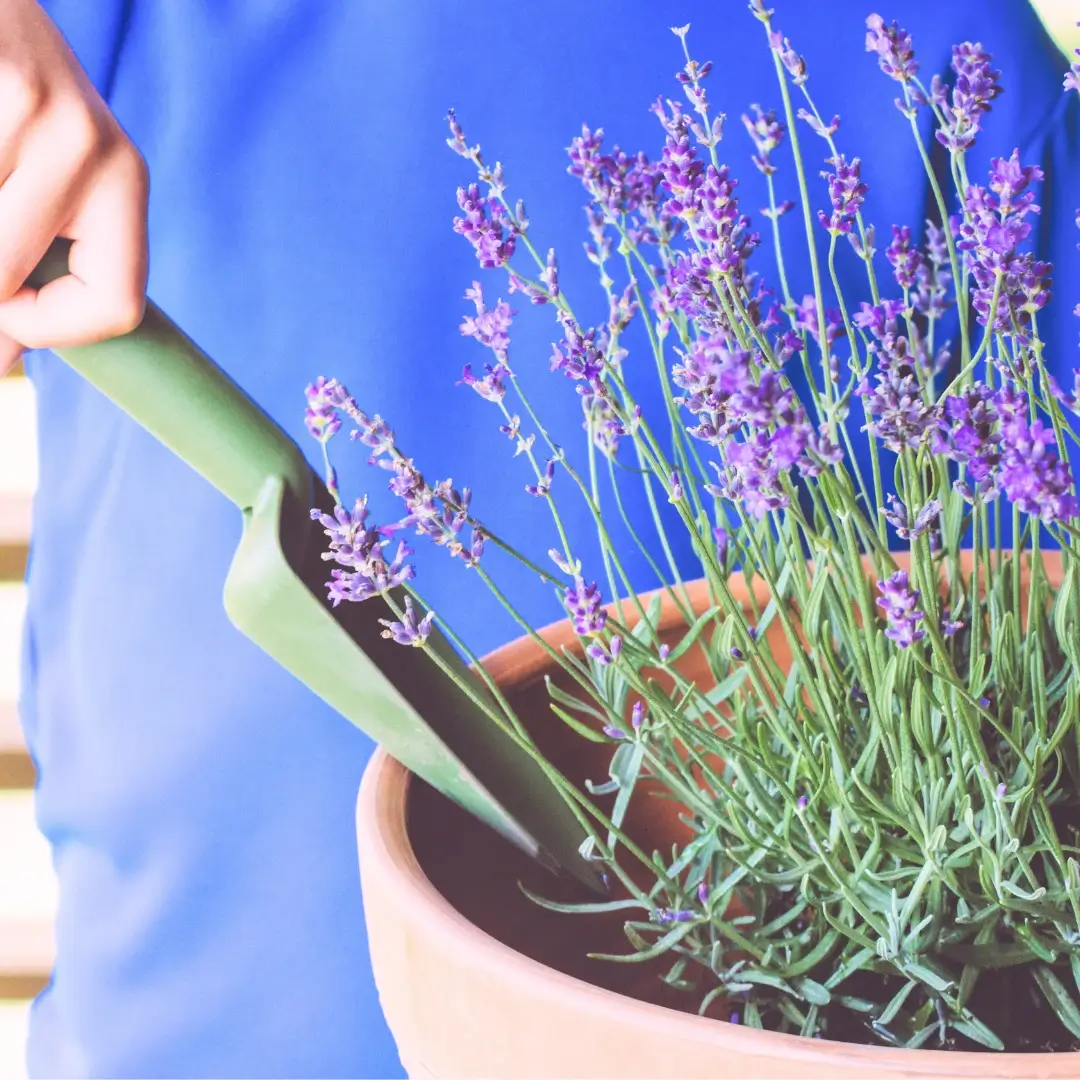
lavender
-
phacelia
-
marigold
-
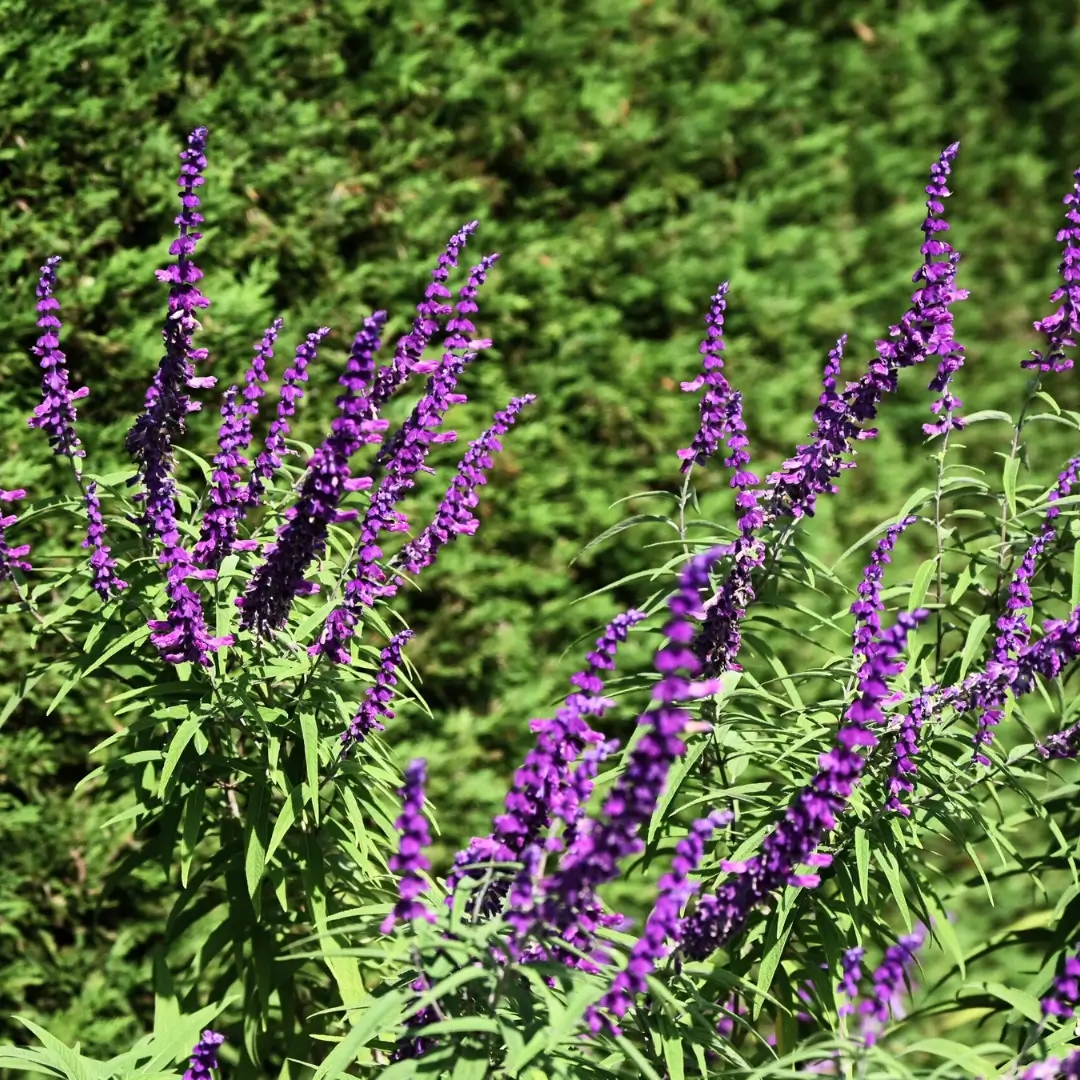
sage
-
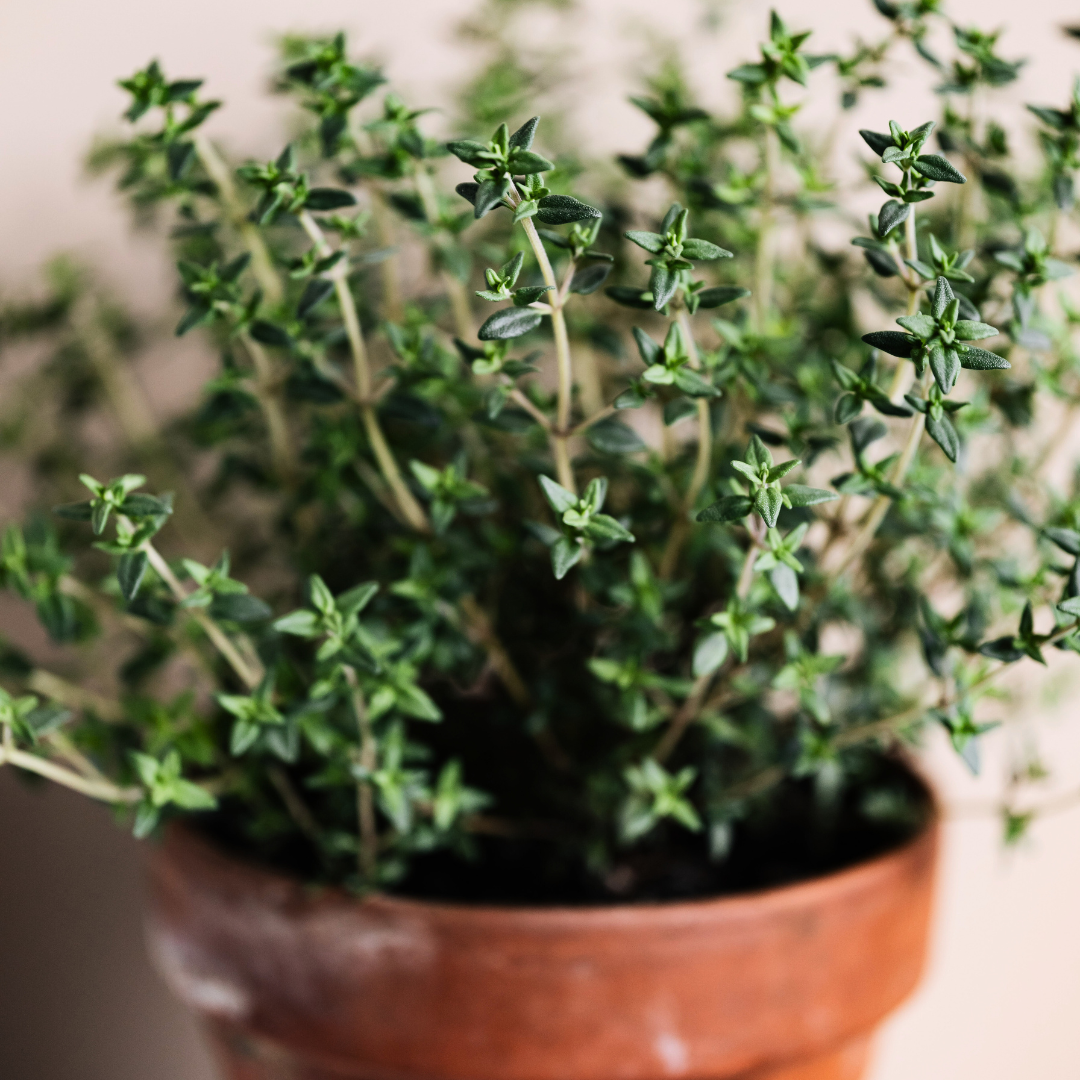
thyme
-
oregano
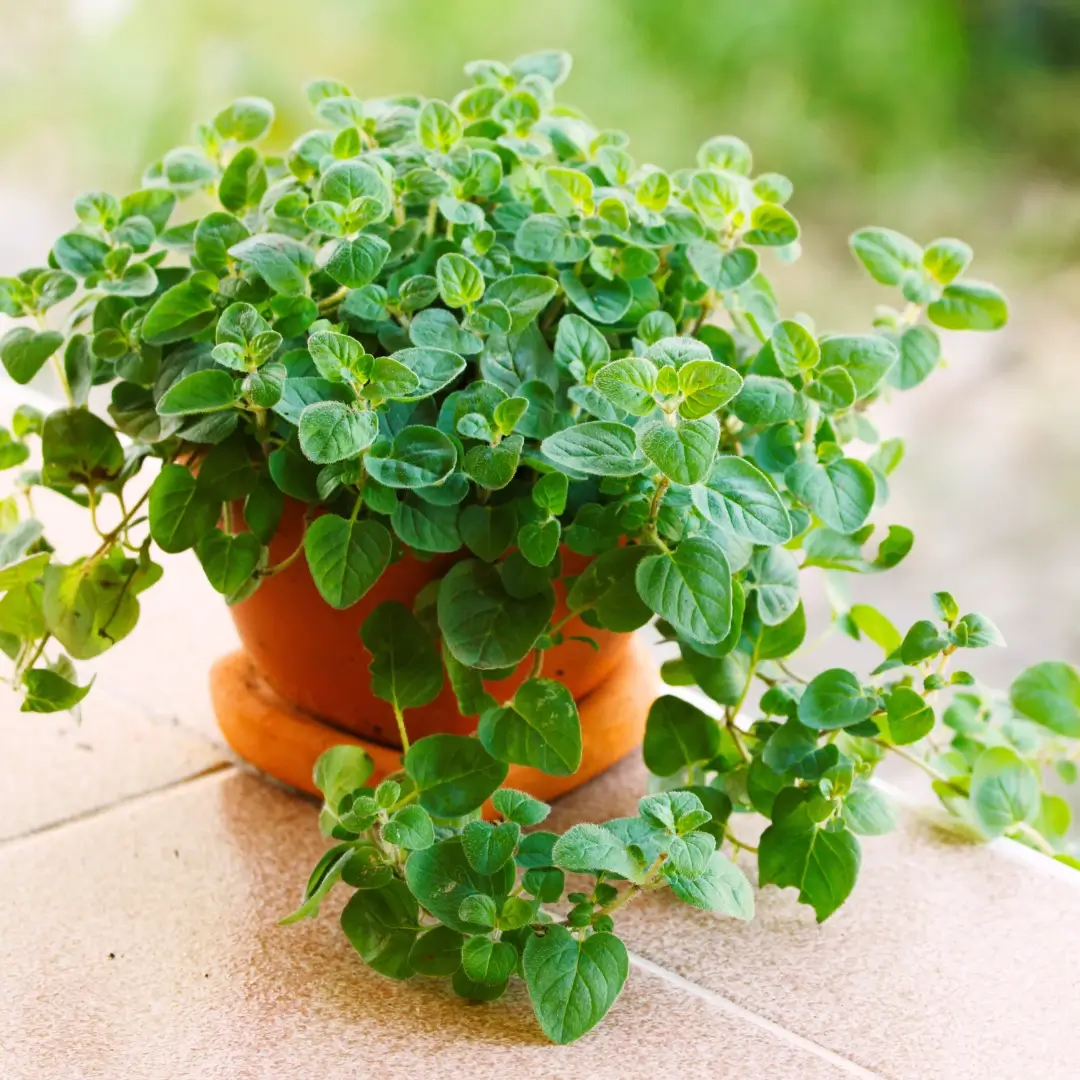
These plants are particularly liked by bees and bumblebees because they produce a lot of nectar. Additionally, many of them are herbs that can be used in the kitchen – for example, thyme, oregano, or sage.
A major advantage of such plants is also their long flowering period. Lavender or marigold can attract pollinators throughout the summer and even into early autumn. Planting several different species ensures that insects have access to food for a longer time.
It is also worth remembering a few simple rules:
-
plant the plants in a sunny spot,
-
choose different species blooming at different times,
-
try to avoid chemical plant protection products.
Even a small number of pots with flowering plants can create a small "canteen" for bees. It is a simple way to make your balcony or garden greener, more fragrant, and more nature-friendly.
5. Reducing chemicals in the garden
The use of pesticides and chemical plant protection products is one of the factors that can negatively affect the population of bees and other pollinators. Substances contained in such preparations often affect not only pests but also beneficial insects. Even small amounts of chemicals can weaken bees, make it harder for them to navigate, or lead to their death.
Therefore, if possible, it is worth limiting the use of chemical products in the garden and choosing more natural solutions. This will make the space around the house safer not only for bees but also for other insects, birds, or small animals.
To reduce the amount of chemicals in the garden, you can follow a few simple principles:
-
apply natural plant protection methods – for example, preparations based on garlic, nettle, or horsetail, which help limit the development of certain pests and diseases,
-
support natural allies in the fight against pests, such as ladybirds or birds that feed on insects,
-
perform spraying in the evening when bees and other pollinators have already finished their activity,
-
choose ecological or biological preparations that are less harmful to the environment.
It is also worth remembering that a healthy and diverse garden often copes better with diseases and pests. A variety of plants attracts many insect species that mutually regulate their numbers, making the need for chemicals much lower.
The fewer artificial agents in our garden, the safer and more natural the environment for bees and other pollinators, which play an extremely important role in nature.
6. Creating shelter for wild bees
Not all bees live in hives and form large colonies. In reality, most species are wild bees that live alone. There are over 450 species of them in Poland, and many of them play a very important role in pollinating plants. Often they are just as effective, and sometimes even more effective, than honeybees.
Wild bees do not build traditional hives. Instead, they establish nests in various natural places – in the ground, in hollow plant stems, in wood crevices, or in small holes in tree trunks. Unfortunately, in tidy gardens and urban spaces, such places are increasingly scarce. Therefore, it is worth creating conditions in your surroundings that allow these insects to safely shelter and reproduce.
One of the simplest ways is to leave a section of the garden in a more natural state. You don't need to mow every part of the lawn or remove all plants after the season. A small patch of wild space can become an ideal habitat for many insect species.
We can help wild bees by, among other things:
-
leaving a section of unmown space where plants can grow freely and create a natural shelter,
-
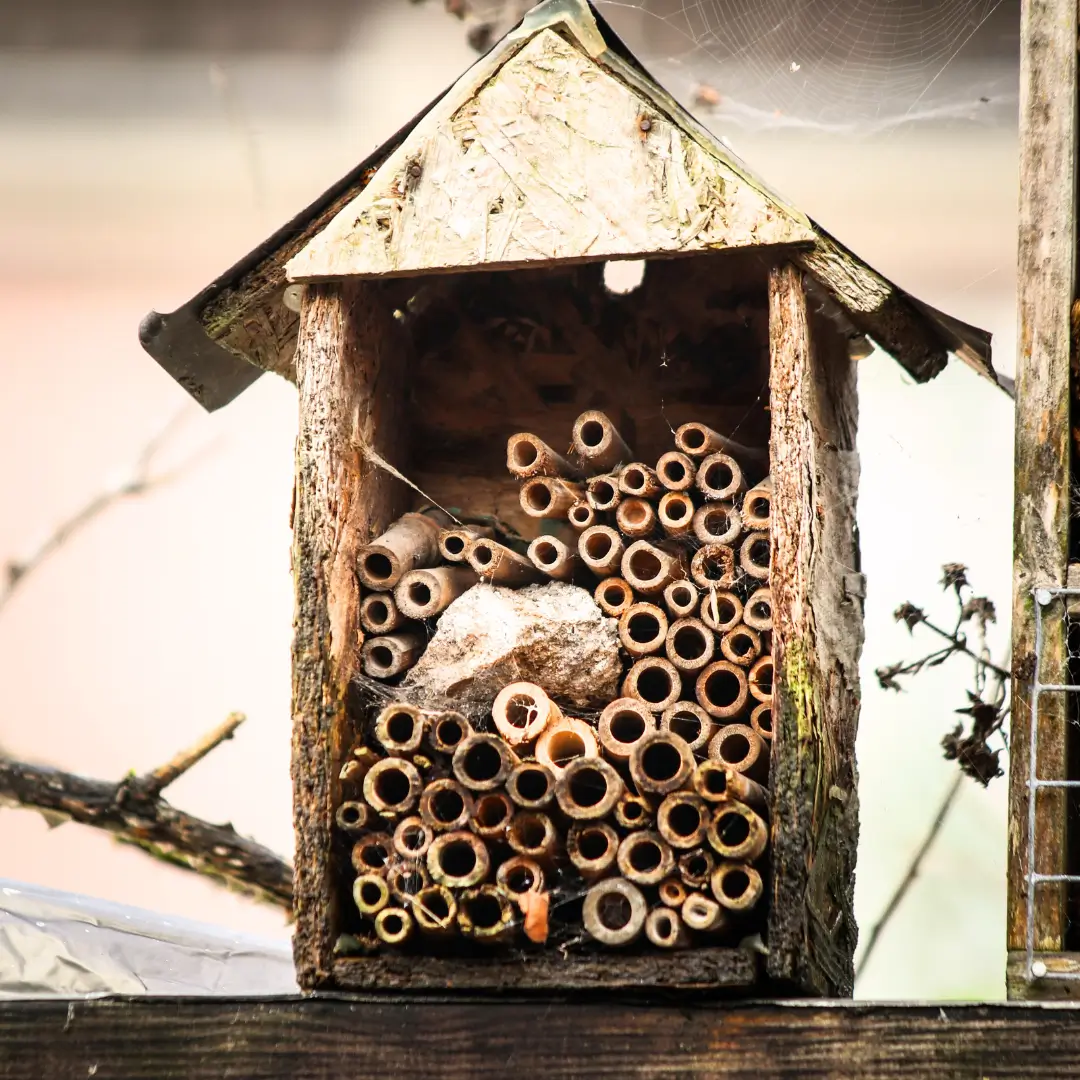
setting up insect hotels, which are special structures made of wood, bamboo, or hollow stems, where bees can establish nests,
-
leaving dry plant stems for the winter, as many species use them as a place for laying eggs and overwintering.
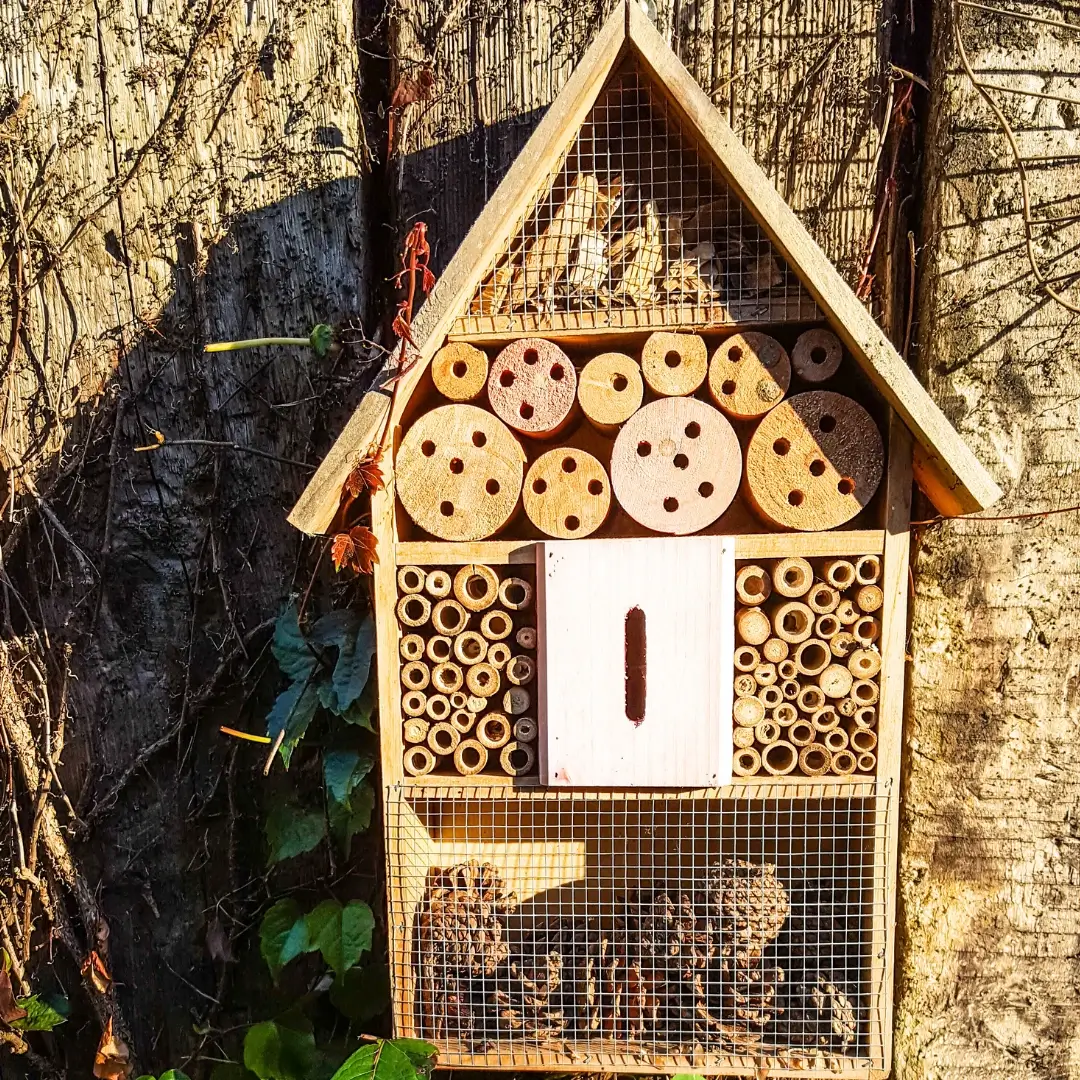
An insect hotel can be bought ready-made or made yourself. Most importantly, place it in a dry, sunny spot sheltered from the wind, preferably at a height of about one metre above the ground.
It is also worth remembering that wild bees are very gentle and rarely sting because they do not defend a large colony like honeybees. This means you can support them in your garden or allotment without worry.
Such simple actions help many species survive and reproduce, while simultaneously making our garden more natural, diverse, and full of life. Even a small amount of help can be of great importance to these extremely useful insects.
7. Summary
Helping bees does not require big investments or specialised knowledge. Just a few simple steps are enough: sowing flowers, planting trees, providing access to water, and reducing chemicals in the garden. Every garden, balcony, or allotment can become a small oasis for pollinators. And the more such places are created in our area, the greater the chance that bees will be able to live safely and continue their extremely important work.
Because by helping bees – we are also helping ourselves and all of nature!
Source/Bibliography:
- Dytrych K. Bees. A nature guide on how to get to know and protect insects. Publisher: EKOTREND Foundation
- Pawłowska O. And the bees go about their business – the impact of climate change on beekeeping. Publisher: Podlasie Agricultural Advisory Centre in Szepietowo. Szepietowo 2025
- Kołtowski Z. Guide to honey-bearing plants. Publication issued by the Augustów Forest District as part of the project “Traditional beekeeping as a rescue for wild bees in forests”.
- Kołacz B. Honey-bearing plants on the farm. Agricultural Advisory Centre in Brwinów, Radom branch. Radom 2023