
How to store our Treasures?
Correct storage of honey, fruit and vegetable preserves, and bee products is essential for maintaining their nutritional, flavour, and health properties. Suitable storage conditions can significantly affect the shelf life and quality of these valuable products.
In this post, we present proven methods that will help you enjoy their full potential for a long time. Welcome!
Table of contents:
2. Storing fruit and vegetable preserves
1. How to store honey?
Optimal temperature – honey is best stored at a temperature of up to 8-18°C. This allows it to maintain its stability and avoid unfavourable processes. High temperatures can lead to fermentation, as well as the separation of fructose from glucose, which affects the consistency and quality of the honey. Such changes can make the honey more liquid or cause it to gain an undesirable structure. For this reason, it is important to avoid storing honey near heat sources, such as cookers, radiators, or other heat-emitting devices. Extreme temperatures, both high and very low, can also affect the natural enzymes and properties of the honey.
Dry and shaded place - optimal conditions for storing honey are a dry and shaded place. An ideal solution is a cellar, pantry, or other cool, dark space. If you do not have access to such rooms, an alternative is the refrigerator. However, it should be remembered that too low a temperature in the refrigerator can cause the honey to become too thick and difficult to use, so it is worth taking it out before use and allowing it to warm up slightly. Long-term exposure to sunlight can accelerate the degradation processes of honey and lead to the loss of its valuable properties. Therefore, it is best to keep honey in a place where there is no access to direct sunlight.
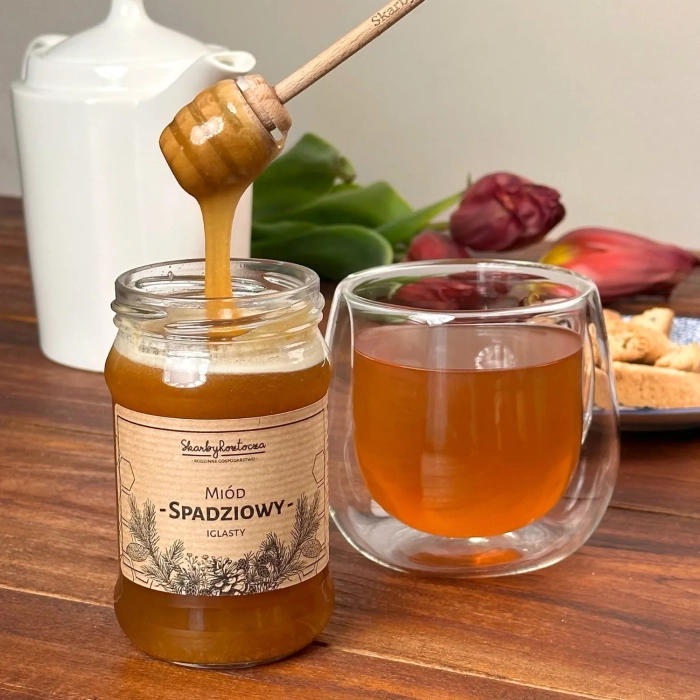
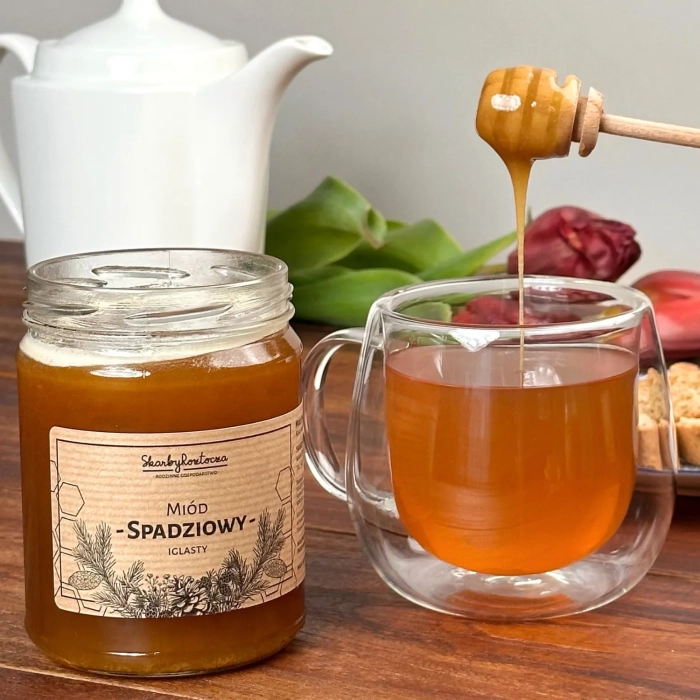
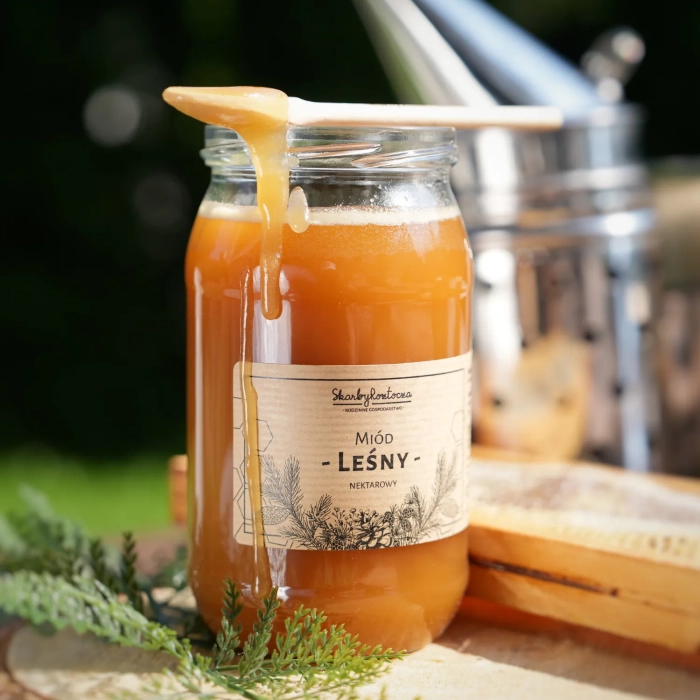
Packaging - honey should be stored in a tightly closed jar, preferably made of glass. Glass jars are ideal because they do not react with honey, unlike metal containers, which can affect the taste and properties of the honey. Glass containers also help protect against air and moisture, which is key to preventing honey from spoiling. Maintaining the airtightness of the container is also important for protecting the honey from absorbing foreign odours and contaminants.
2. Storing fruit and vegetable preserves
Suitable temperature - fruit and vegetable preserves are best stored in a cool place, at a temperature from 10 to 15°C. This temperature promotes the stability of the products and slows down the growth of bacteria and mould, which can lead to their spoilage. Storing at too high a temperature can cause faster spoilage of preserves and the loss of their flavour and nutritional value. In turn, temperatures that are too low, as in the case of a refrigerator, can negatively affect the texture and taste of some preserves.
Dry and dark place - similar to honey, fruit and vegetable preserves require appropriate storage conditions to maintain their freshness, taste, and nutritional value for a long time. The key factors are a dry and dark place, which protect the products from unfavourable environmental influences. Moisture is one of the main factors accelerating the spoilage of preserves. It can lead to the growth of mould and bacteria, which not only change the taste and smell but can also be harmful to health. Moisture combined with improper sealing of jars can cause fermentation, leading to a deterioration in the quality of the preserves.
To avoid these problems, preserves should be stored in a dry place where humidity is minimal. Cellars and pantries are usually well-ventilated and protected from moisture, making them ideal places for storing preserves.
Sunlight, especially UV radiation, can cause the degradation of nutrients in preserves. It can also lead to the loss of colour, taste, and nutritional value. Exposure to light can accelerate chemical processes that negatively affect the quality of stored products.
Therefore, it is best to keep preserves in a dark place, away from light sources such as windows or lamps. If you do not have a cellar or pantry, you can use dark cabinets or storage spaces in the kitchen that are properly protected from direct light.
Packaging - tightly sealing jars and containers is essential to maintaining the freshness of preserves. Any gaps can lead to air access, which increases the risk of mould and bacteria growth. Ensure that the lids are well-fitted and there is no looseness.
3. How to store bee products?
Temperature - bee products, such as bee pollen, propolis, or wax, have their specific storage requirements to maintain their unique health and therapeutic properties. The ideal temperature for these products is up to approx. 18°C. Storing them in this temperature range ensures that they will retain their valuable active ingredients, such as vitamins, minerals, antioxidants, or essential oils.
Too high temperatures can lead to the loss of properties of these products. For example, high temperatures can cause the breakdown of some valuable chemicals in propolis, which reduces its effectiveness as an antibacterial agent. In the case of bee pollen, high temperatures can lead to the degradation of enzymes and vitamins that are key to its health benefits. Beeswax, under the influence of high temperatures, can also lose its protective properties and natural consistency.
Dry and shaded place - for bee products to maintain their quality, they should be stored in a dry and shaded place. Exposure to moisture can lead to the growth of mould and bacteria, which can destroy the product or reduce its effectiveness. Conversely, light, especially UV radiation, can cause the degradation of active ingredients, which will also affect the quality of the product.
The best place to store bee products is a cellar or pantry, where conditions are stable and access to light and moisture is limited. If you do not have access to such rooms, you can store them in cabinets or drawers that are far from light sources and moisture. It is important that this place is well-ventilated to prevent moisture accumulation.
Appropriate packaging - appropriate packaging is key to maintaining the quality of bee products. Bee pollen and propolis are best stored in airtight jars or containers to protect them from air, moisture, and contaminants. In the case of preparations such as propolis tinctures, it is important to use bottles made of dark glass, which effectively block light access. Light can affect active ingredients and reduce the effectiveness of the product, so dark glass provides additional protection.
4. Summary
Correct storage of honey, preserves, and bee products is key to maintaining their highest quality and valuable health properties. Honey is best kept at a cool temperature of up to 18°C, in a dry and shaded place, in airtight jars, to avoid fermentation and degradation. Fruit and vegetable preserves also require cool conditions and protection from moisture and light, which prevents them from spoiling. Bee products, such as pollen, propolis, or wax, are best stored at a temperature of 15-18°C, in dry, darkened places, in airtight, dark packaging, to protect them from the loss of valuable components. Thanks to these simple rules, all these products will retain their unique properties and will be able to serve their health functions for a long time.