
Light or dark honey? Which one to choose?
Choosing between light and dark honey can be difficult, especially for those who are just beginning their adventure with bee products. Each type of honey has its unique properties, flavour values and characteristics that can influence your preferences and health needs. In this post, we will try to explain the differences between light and dark honey to help you make an informed choice. We invite you to read this post!
Table of contents:
1. Properties of light honey.
The colour of light honeys can range from almost transparent to light yellow. The light colour is the result of the specific plant species from which bees collect nectar. For example, acacia honey is almost transparent, while dandelion honey has a delicate golden hue. This colour variety not only pleases the eye but also indicates the diversity of flavours and nutritional properties that light honeys offer.
Light honeys, such as rapeseed, acacia, dandelion or raspberry honey, among others, stand out for their exceptional delicacy and subtlety. It is these features that make them extremely popular among honey lovers worldwide. They are characterised by a light colour, which can range from almost transparent to light yellow, further highlighting their unique character. One of the most characteristic features of light honeys is their delicate consistency. Unlike darker varieties, light honeys are usually lżejsze. They are an ideal addition to various dishes and drinks. Their delicate consistency also makes light honeys perfectly suited for use in cosmetics, for example as an ingredient in moisturising face masks or body lotions.
- Health properties.
Like other types of honey, light honeys have many health properties. They are a natural source of energy, thanks to the presence of simple sugars such as glucose and fructose. Furthermore, they contain enzymes, vitamins and minerals that support the body's health. Light honeys also have antibacterial and anti-inflammatory properties, making them an effective aid in fighting infections and inflammation.
- Flavour values.
Light honeys are characterised by a mild, subtly sweet taste. They do not dominate with their aroma, which makes them an ideal choice for people who prefer less intense taste experiences. Thanks to their mildness, light honeys pair perfectly with a variety of dishes, both sweet and savoury. They can be used to sweeten tea, as an addition to yoghurts, muesli, and even salads. Their delicate flavour makes them also an excellent choice for children and the elderly, who may prefer less intense products.
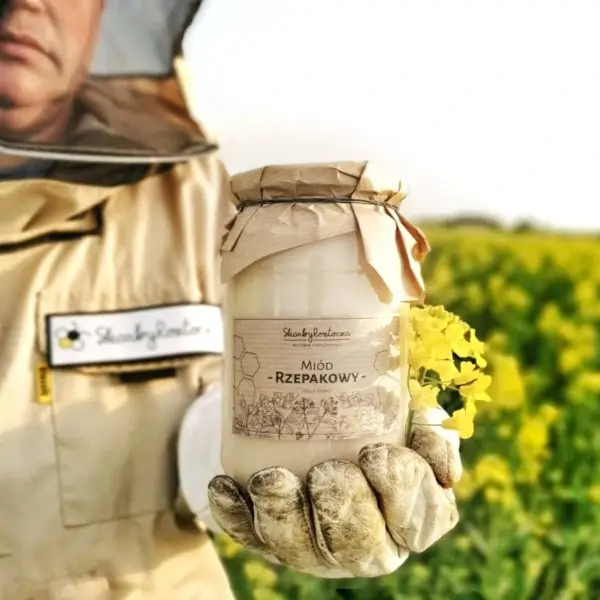
Rapeseed Honey - this is a light honey with a pale white colour and a delicate, floral taste. It is produced from the nectar of rapeseed flowers and is characterised by a mild, sweet flavour. Furthermore, rapeseed honey is rich in simple sugars and contains certain amounts of vitamins and minerals, making it a popular choice as a natural sweetener.
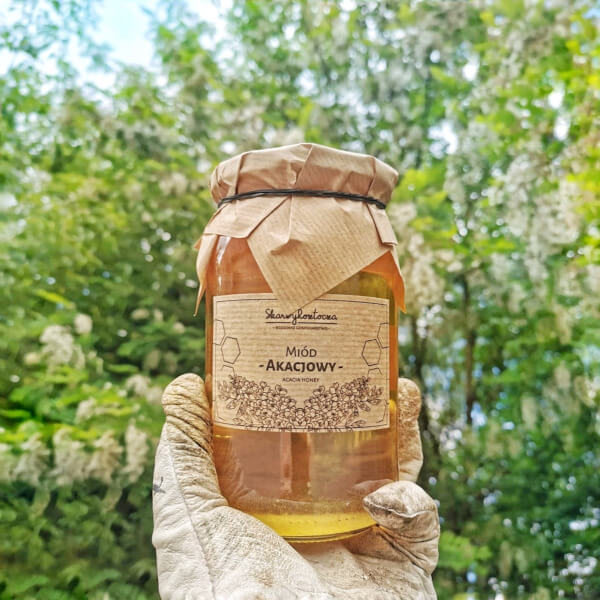
Acacia Honey - this is a delicate and light honey with a light yellow colour and a mild, subtly floral taste. It is valued for its liquid consistency and delicate aroma, which makes it a popular choice for sweetening drinks, dishes and confectionery. Produced from the nectar of acacia flowers, this honey is also appreciated for its potential health properties, including antibacterial action and soothing throat irritation.
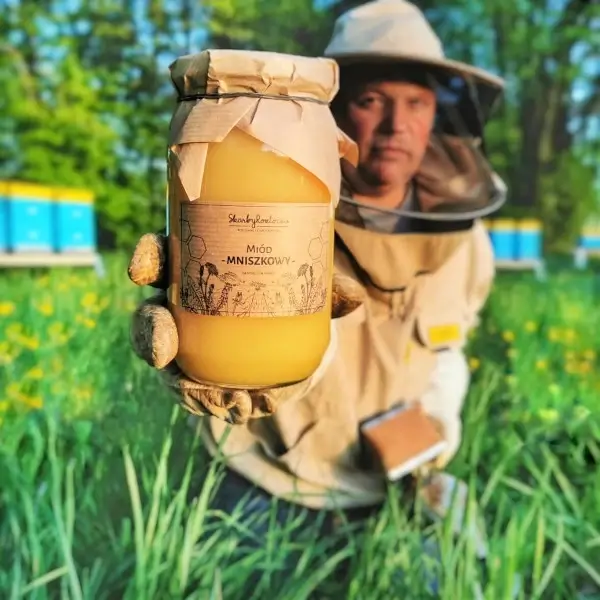
Dandelion Honey - is characterised by a light colour and a mild, slightly floral taste. Dandelion honey is valued for its soothing and calming properties, often used in traditional folk medicine. It is also appreciated for its light, delicate flavour values, which make it an excellent addition to tea and desserts.
Raspberry Honey - is obtained from the nectar of raspberry flowers. It is characterised by a delicate, sweet taste. The colour of this honey can have various shades, usually ranging from light yellow to slightly orange. Raspberry honey is valued for its unique taste and for the presence of antioxidants and other nutrients associated with raspberry nectar, making it a popular choice in the kitchen and among lovers of natural food products.

2. Properties of dark honey.
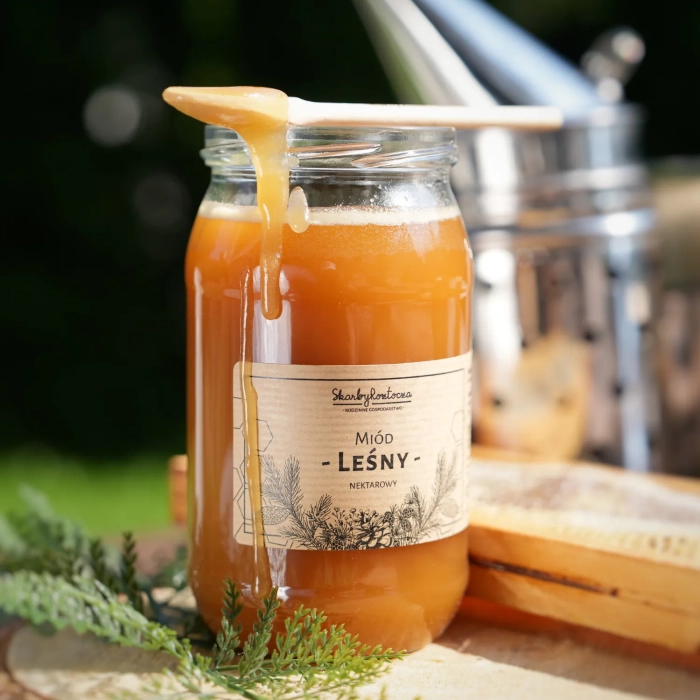
Dark honeys, such as buckwheat, honeydew or heather honey, are unique bee products that stand out for their deep, amber or even brown colour. These honeys are not only visually beautiful but also offer rich flavour experiences and numerous health properties.
Dark honeys are characterised by an intense colour, which can range from dark amber to deep brown. This deep coloration is the result of the specific plants from which bees collect nectar or honeydew. For example, buckwheat honey has a characteristic dark brown shade, and honeydew honey can be almost black. The high content of minerals, enzymes and other nutrients contributes to the deep colour of dark honeys.
- Health properties.
Dark honeys are usually richer in nutrients compared to light honeys. They contain larger amounts of minerals such as iron, magnesium, potassium and manganese. These minerals are essential for the proper functioning of the body, supporting bone health, the nervous system and circulation. Dark honeys are also rich in antioxidants, which help fight free radicals, supporting cell health and slowing down ageing processes.
Dark honeys have many health properties that make them a valuable addition to the diet. Their strong antibacterial and anti-inflammatory action helps in fighting infections and supports the immune system. Thanks to the high content of antioxidants, dark honeys can protect against oxidative stress and reduce the risk of chronic diseases such as heart disease or cancer. Additionally, dark honeys are often used in natural medicine to soothe cold symptoms, sore throats and to aid wound healing.
- Flavour values.
One of the most recognisable features of dark honeys is their intense, rich taste. Unlike mild, subtle light honeys, dark honeys offer a more distinct flavour experience. Due to their intense taste, dark honeys are an excellent addition to many dishes and drinks. They can be used as a natural sweetener for tea, coffee or cocktails, adding depth and distinctiveness. In the kitchen, dark honeys pair perfectly with strong cheeses, meat or bread. They can also be used for marinades, sauces and dressings, giving dishes a unique flavour. Their intense aroma makes them an ideal ingredient for baked goods, such as gingerbread or spice cakes.
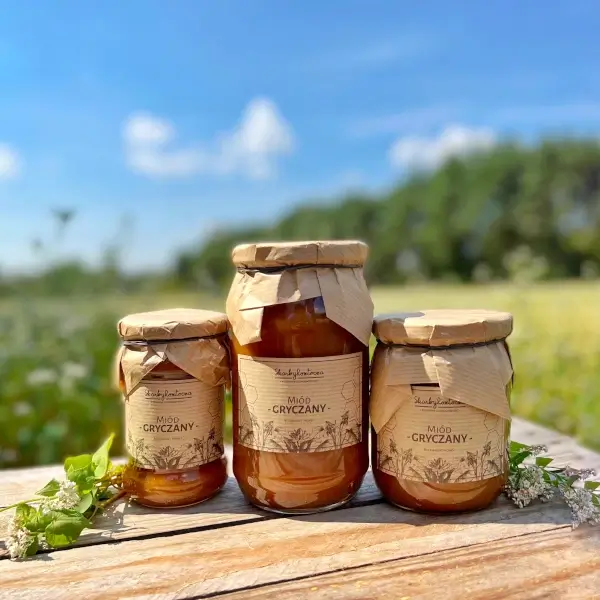
Buckwheat Honey - is characterised by an intense and rich taste, which can be described as deep, bittersweet with notes of caramel and a slight spiciness. Its taste is usually more distinct than other honey varieties, which makes it an excellent addition to dishes and drinks, especially those with a more pronounced flavour. It is often used in the kitchen to sweeten coffee, desserts and as an ingredient in bread and cakes, adding a unique taste and aroma.
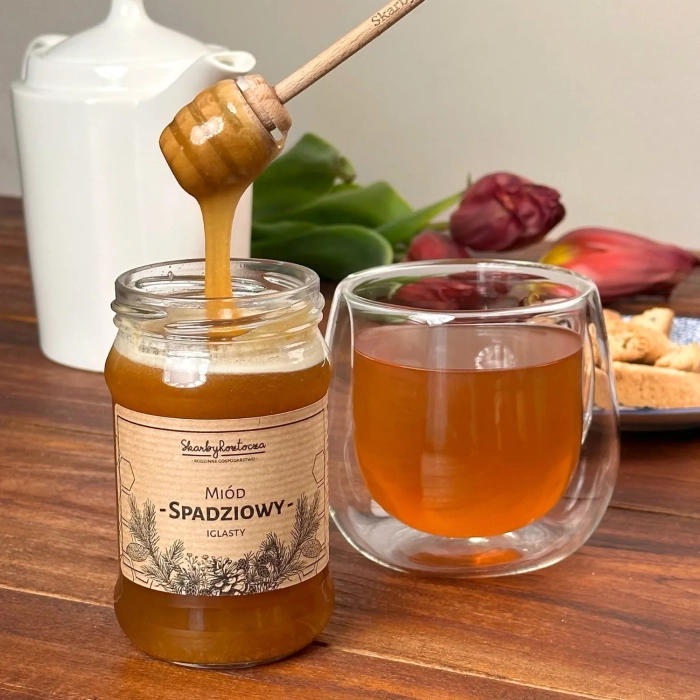
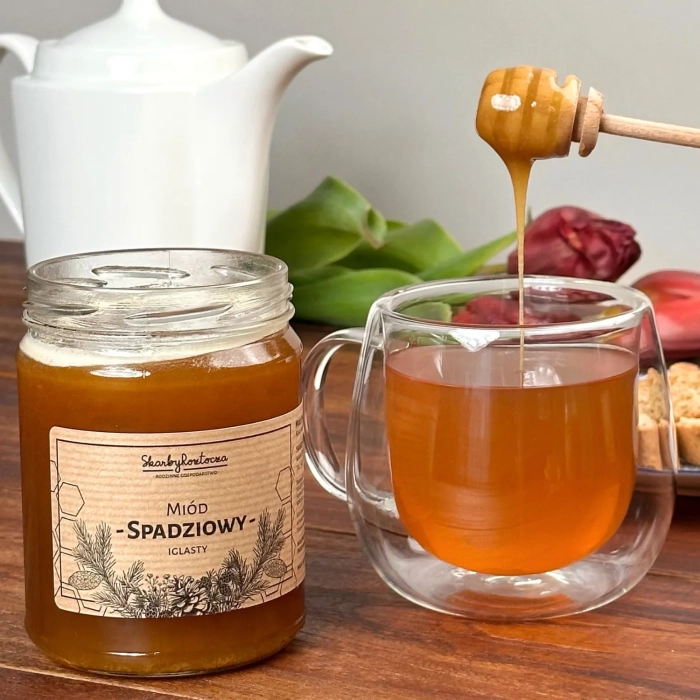
Coniferous Honeydew Honey - stands out for its intense taste with a characteristic profile. Its taste is deep and rich, often described as slightly resinous or forest-like. It is usually sweet but at the same time has notes of delicate bitterness, which makes its taste more complex and interesting. It is an ideal choice for those looking for honey with a distinct taste that will enrich the variety of culinary experiences.

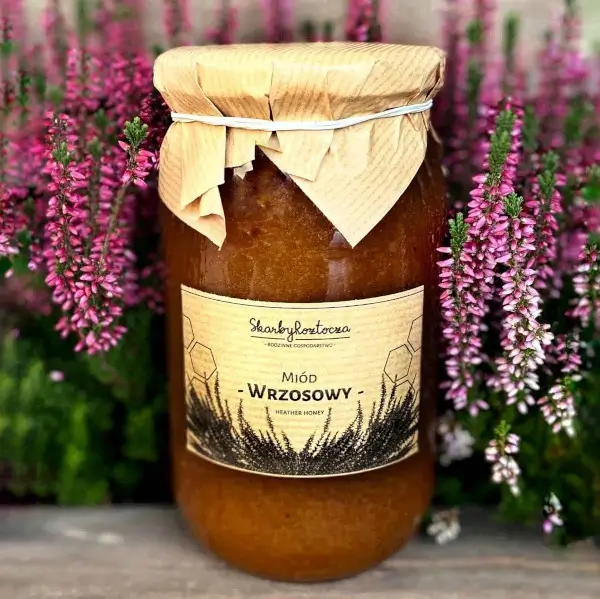
Heather Honey - is characterised by an intense, deep taste with a slight bitterness and delicate acidity. It is a honey with a distinct flavour profile that stands out from other types of honey. Its richness of taste notes makes it valued by honey lovers who seek a unique taste experience.
3. Which Honey to choose?
Choosing between light and dark honey depends on your individual needs and taste preferences. Both types of honey have their unique advantages, taste and health benefits, so it is worth knowing their characteristics to make the best choice.
Light honeys, such as acacia or dandelion honey, are characterised by a mild, subtly sweet taste. They are ideal for people who prefer milder taste notes. Due to their mildness, light honeys are versatile in the kitchen. They can be added to tea, coffee, desserts or baked goods without dominating the taste of the dishes. They are also easily absorbed and work great as a natural source of energy. Light honeys contain vitamins, enzymes and amino acids that support the body's health, making them an excellent choice for daily consumption. They can be used as a natural sweetener, an addition to yoghurts, porridge or smoothies.
In turn, dark honeys, such as buckwheat, honeydew or heather honey, offer a more distinct and rich taste. They are ideal for people who like intense and full aromas. Dark honeys are usually richer in minerals such as iron, magnesium, potassium and manganese. They also contain more antioxidants, making them an excellent choice for health-conscious people. Thanks to the high content of antioxidants and antibacterial properties, dark honeys have strong health-promoting effects. They support the immune system, support heart health and can be used in natural medicine. The intense taste of dark honeys makes them excellent as an addition to strong cheeses, meats or bread. They can also be used to create unique sauces, marinades and dressings.
The final choice between light and dark honey depends on your individual preferences and health goals. If you prefer milder flavours and are looking for honey for daily use, light honey will be an excellent choice. However, if you value intense aromas and want to enrich your diet with additional minerals and antioxidants, dark honey may be a better option. Both types of honey have much to offer, so it is worth experimenting and benefiting from their diversity.