
Linden flower syrup – a natural remedy for colds
Autumn and winter is a time when our body especially needs support. Chilly days, frequent weather changes and less sunlight make us more susceptible to colds. Instead of reaching for pharmacy specifics right away, it's worth remembering natural ways of supporting immunity. One of them is linden flower syrup – a home remedy that has accompanied the fight against colds for generations.
Want to learn more about linden flower syrup? Check out this short post!
Table of contents:
2. Properties of linden flower syrup
3. How to use linden flower syrup?
1. Why is linden so valuable? The wealth of active ingredients in linden flowers.
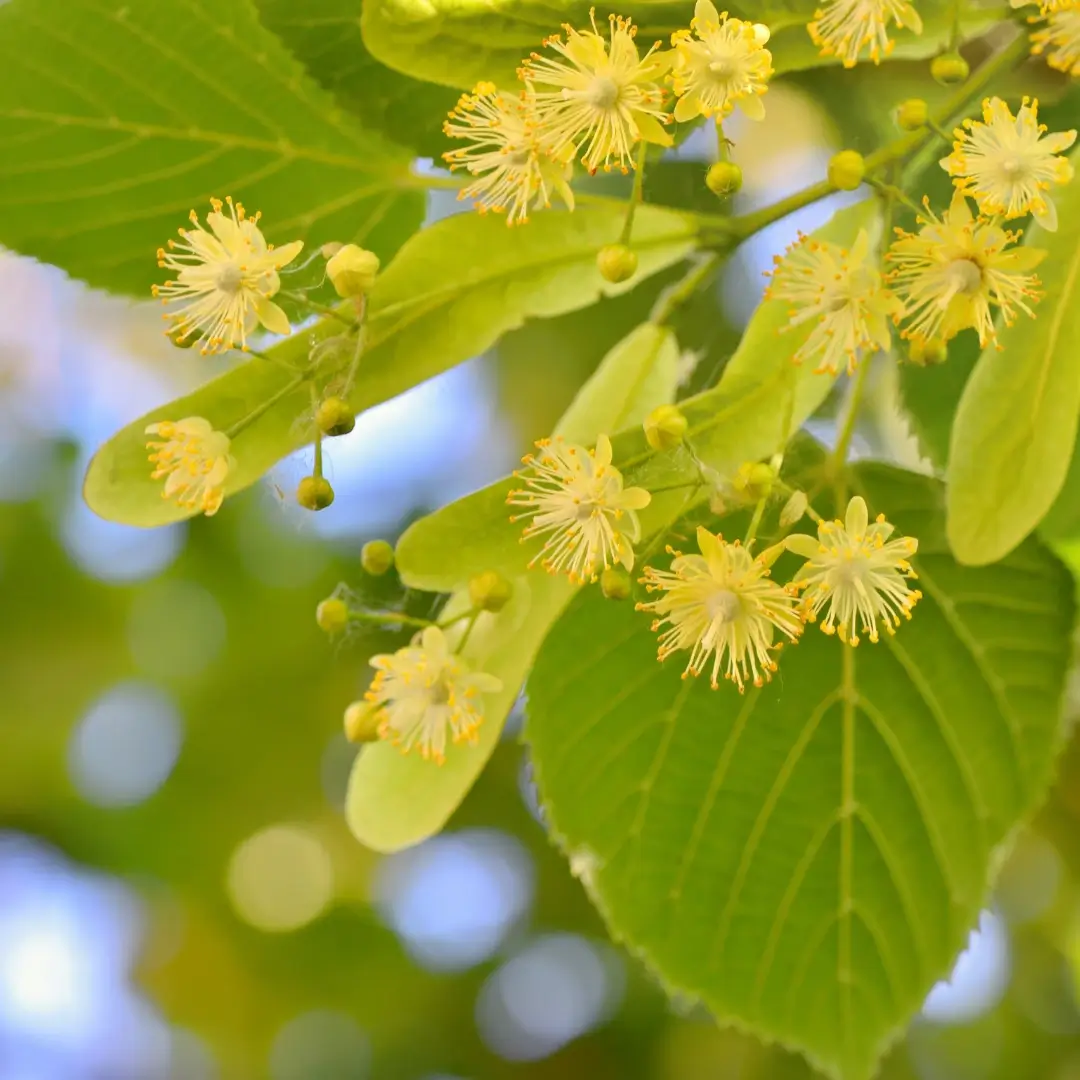
Linden flowers have been highly regarded in folk medicine and herbalism for centuries. They are not only a fragrant source of honey for bees, but also a true pharmacy of nature for humans. The delicate, golden inflorescences hide a wealth of active ingredients that support health on many levels.
-
Flavonoids – these are strong antioxidants that not only protect cells from the harmful effects of free radicals, but also have anti-inflammatory and antibacterialproperties. Thanks to them, linden helps in soothing inflammations of the throat and upper respiratory tract.
-
Plant mucilages – they create a protective coating on the mucous membranes of the throat and larynx, which soothes irritation, reduces coughing and calms pain. This is exactly why linden infusion or syrup is often used for a dry, persistent cough.
-
Essential oil – contained in linden flowers, it has a warming, relaxing and slightly diaphoreticeffect, supporting the body in the natural process of lowering fever. It also has a positive effect on the respiratory tract, making breathing easier and helping to cleanse the body of toxins.
-
Vitamins and minerals – linden flowers provide the body with valuable micronutrients that strengthen immunity and support regeneration during infections. Regular consumption of infusions or syrup helps the body return to form faster.
Thanks to such a rich composition, linden not only soothes cold symptoms, but also supports the body's natural defense mechanisms . It can therefore be said that it works both ad hoc and preventively – protecting us from further infections.
2. Properties of linden flower syrup
Regular use of linden flower syrup is a simple and effective way to support the body during the more difficult autumn-winter period. Its action is multi-directional and will be appreciated by the whole family.
-
Soothing sore throat and hoarseness – thanks to the plant mucilage content, the syrup gently coats the throat, reduces irritation and soothes mucous membranes. This makes coughing less troublesome and speaking or swallowing – easier and less painful.
-
Natural fever reduction – linden syrup has a diaphoretic effect. Drunk in the evening, it warms the body and stimulates the sweating process, which helps to naturally lower an elevated temperature without immediately reaching for strong antipyretics.
-
Fighting colds and flu – the active ingredients contained in linden flowers support the immune system, helping to fight infection faster. Regular drinking of the syrup speeds up recovery, and used preventively, it strengthens the body and reduces the risk of further illness.
-
Improving sleep and calming down – linden is also known for its calming effect. Syrup drunk in the evening not only warms and facilitates regeneration, but also promotes peaceful falling asleep. This is particularly important during illness, when the body needs rest most.
All this makes linden flower syrup an indispensable support in the home medicine cabinet – safe, natural and tasty, and at the same time liked by children too.
3. How to use linden syrup?
Linden flower syrup is not only healthy but also very versatile in use. It is most often recommended to take it several times a day by the teaspoon, especially during infections. It is best to add it to warm (but not hot!) tea, herbal infusion or lukewarm water – thanks to this, it will retain its most valuable properties. It is worth remembering that boiling water can destroy delicate active ingredients, so the drink should be slightly cooled.
For adults - adults can consume the syrup both preventively – e.g. in the autumn-winter season to strengthen immunity – and during infection to alleviate its symptoms. During illness, it will work particularly well in the evening, as it additionally helps to warm up and facilitates a peaceful night's sleep.
For children - linden syrup is a great alternative to pharmacy syrups – it has a pleasant, sweet taste, making children happy to drink it. It can be given to little ones in tea, water or even on its own by the teaspoon. It is a natural support for coughs, hoarseness and drops in immunity. However, it is worth remembering to consult the dosage with a pediatrician for the youngest children.
Ideas for use:
-
addition to tea with lemon as a natural cold drink,
-
combination with linden or raspberry infusion to enhance the warming effect,
-
water with syrup as a homemade isotonic drink during fever,
-
a teaspoon of syrup in the evening as a mild sedative and sleep aid.
Linden flower syrup can therefore be used in many ways – not only as a 'cold remedy', but also preventively and as daily support for the health of the whole family.
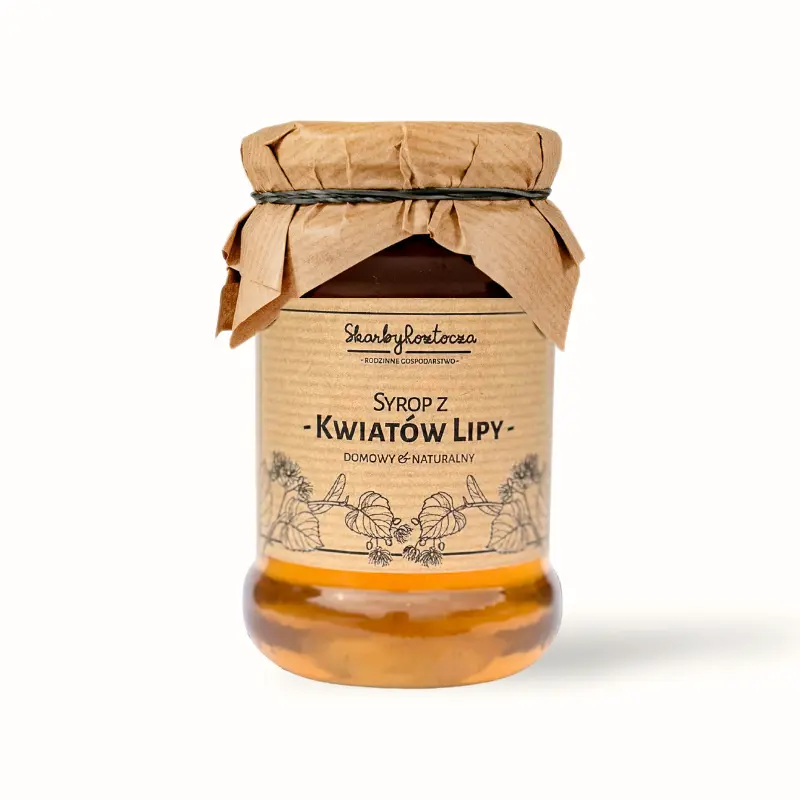
4. Summary
Linden flower syrup is one of nature's most valuable gifts, which has supported health in the autumn-winter period for centuries. It combines the action of soothing sore throat and cough, supports natural fever reduction, strengthens immunity and promotes peaceful sleep. Thanks to the wealth of flavonoids, plant mucilages and essential oils, it works both ad hoc and preventively, helping the body return to form faster.
It is a natural, safe and tasty way to fight a cold, which can be successfully used by both adults and children. It is worth having it in the home medicine cabinet – not only as a 'remedy' for infections, but also as daily immunity support.
Sources/Bibliography:
- Nurzyńska-Wierdak R., Medicinal properties and use in phytotherapy of some woody plant species. Deciduous trees of the northern hemisphere. Annales UMCS, vol. XXVI (2) Sectio Horticultura, 2016
- Prączko A., Góra J., Chemical composition of the essential oil from linden inflorescences. FOOD 4(25), 2000