
Melliferous herbs in your garden – what to plant for bees?
Herbs and honey are natural treasures that have accompanied humans for thousands of years, both in the kitchen and in medicine. In Poland, where both herb cultivation and beekeeping are developing dynamically, we are increasingly thinking about how to combine these two worlds. And yet, it is precisely herbs that can be a true source of the highest quality honey, while supporting our bees – priceless pollinating insects whose protection is more important today than ever before.
Want to help the bees and find out which plants are worth planting for their sake? We invite you to read our short post!
Table of contents:
1. Why is it worth planting melliferous herbs?
2. The best melliferous herbs for your garden
3. Melliferous herb mixes – ideal for bees and garden aesthetics
1. Why is it worth planting melliferous herbs?
Planting melliferous herbs is a simple and effective way to support bees – extremely important, though often underappreciated insects on which the balance of the ecosystem and human food security depend. Bees pollinate over 70% of crop plants, and without their work, it is difficult to imagine access to many vegetables, fruits, and herbs. Unfortunately, the intensification of agriculture, urbanisation, the use of pesticides, and the increasingly rare occurrence of natural meadows make it harder and harder for bees to find suitable food.
Melliferous herbs are plants that provide bees with both nectar and pollen – essential for honey production and for maintaining healthy and strong bee colonies. Thanks to them, bees can function better, develop, and survive difficult periods, e.g. droughts or a lack of forage in the agricultural landscape. By sowing melliferous herbs in the garden, on a plot, or even in pots on the balcony, you create true oases of life for these insects.
The advantage of melliferous herbs is also their beneficial impact on the human environment. These plants are not only practical but also decorative – they smell beautiful, attract colourful insects, and their flowering adds life and charm to the garden. What is more, many of these herbs can also be used in cooking, herbal medicine, or as raw material for preparing home cosmetics.
The quality of honey produced from such plants is also significant. Honey from melliferous herbs – such as sweet clover, borage, or hyssop – often stands out with an intense aroma, unique taste, and additional health-promoting properties. By supporting bees, you gain not only a beautiful and vibrant garden but also access to natural treasures that have served people in everyday life for centuries.
2. The best melliferous herbs for your garden
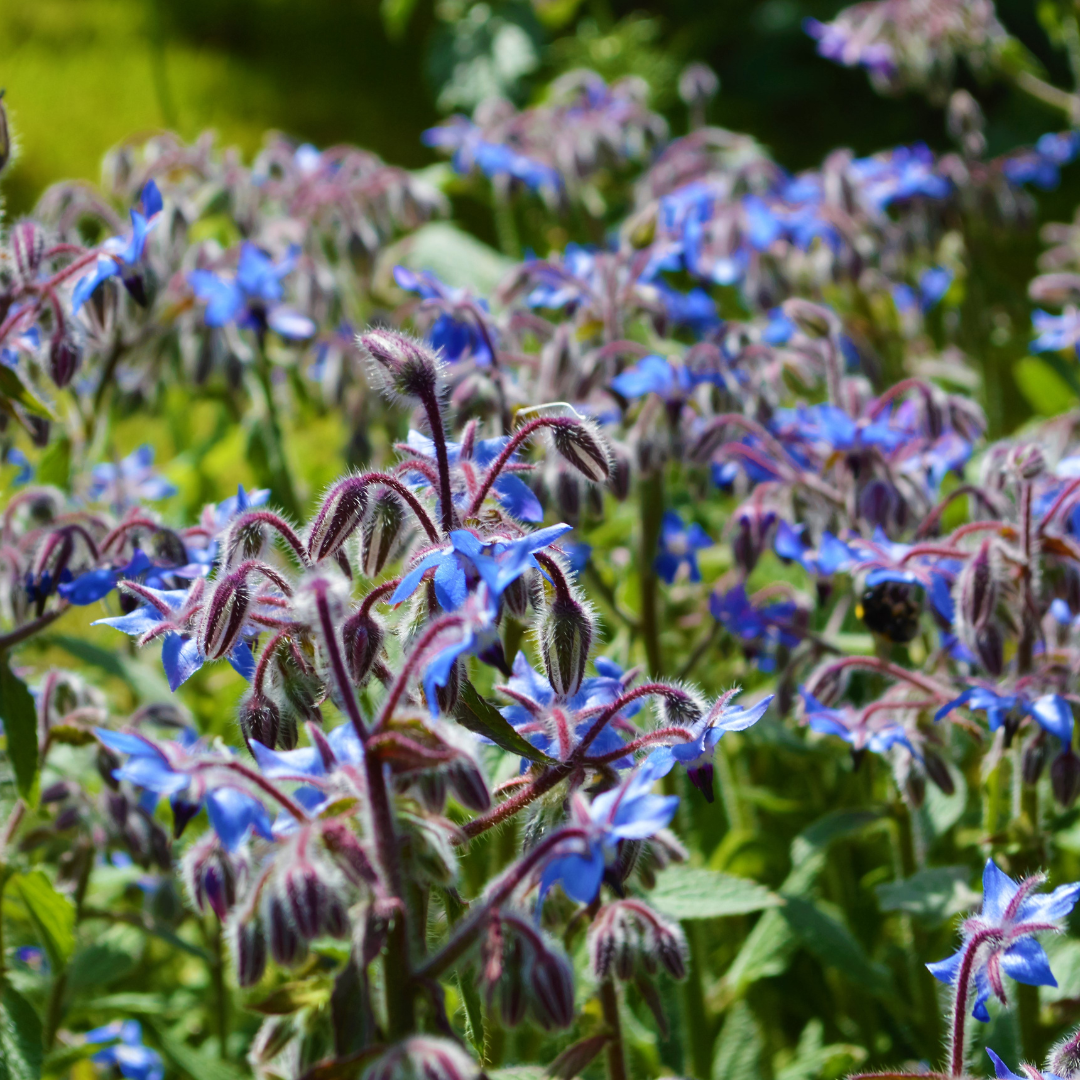
Borage (Borago officinalis) - one of the most valuable melliferous plants. Its blue flowers are eagerly visited by bees, and borage honey is considered exceptionally aromatic and of high quality. It blooms from June to July, exactly when oilseed rape finishes flowering, allowing bees a continuous source of food.
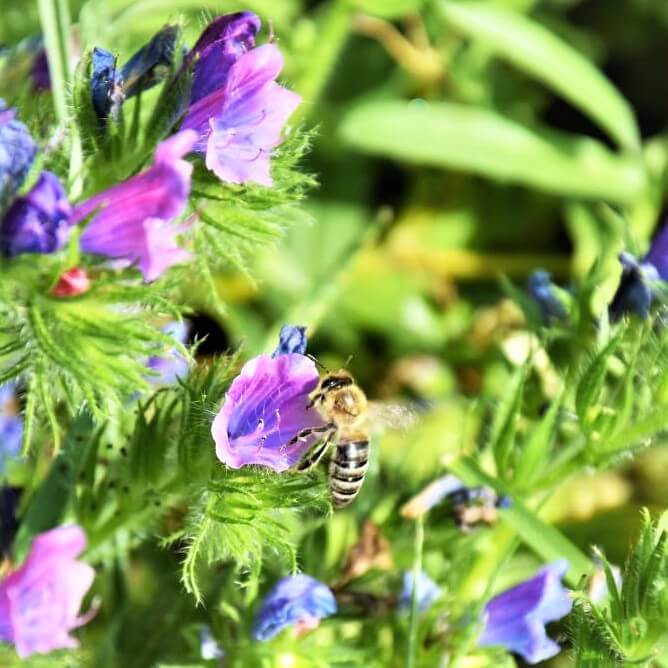
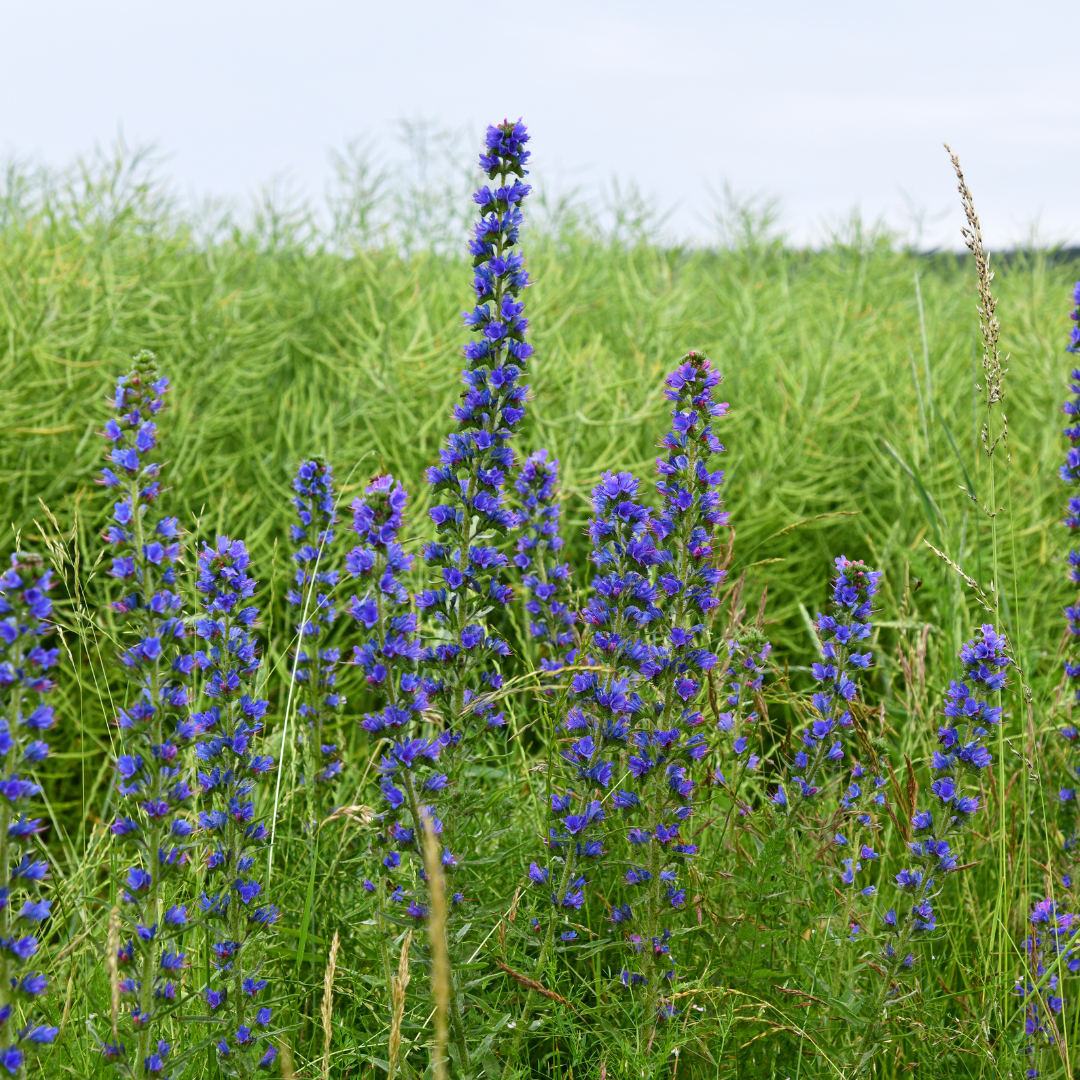
Viper's bugloss (Echium vulgare) - known as an absolute leader among melliferous plants, viper's bugloss provides bees with a rich source of nectar from late May until September. This plant is extremely efficient – honey yields from its flowers can match those of oilseed rape. Additionally, viper's bugloss is easy to grow even on less fertile soils.
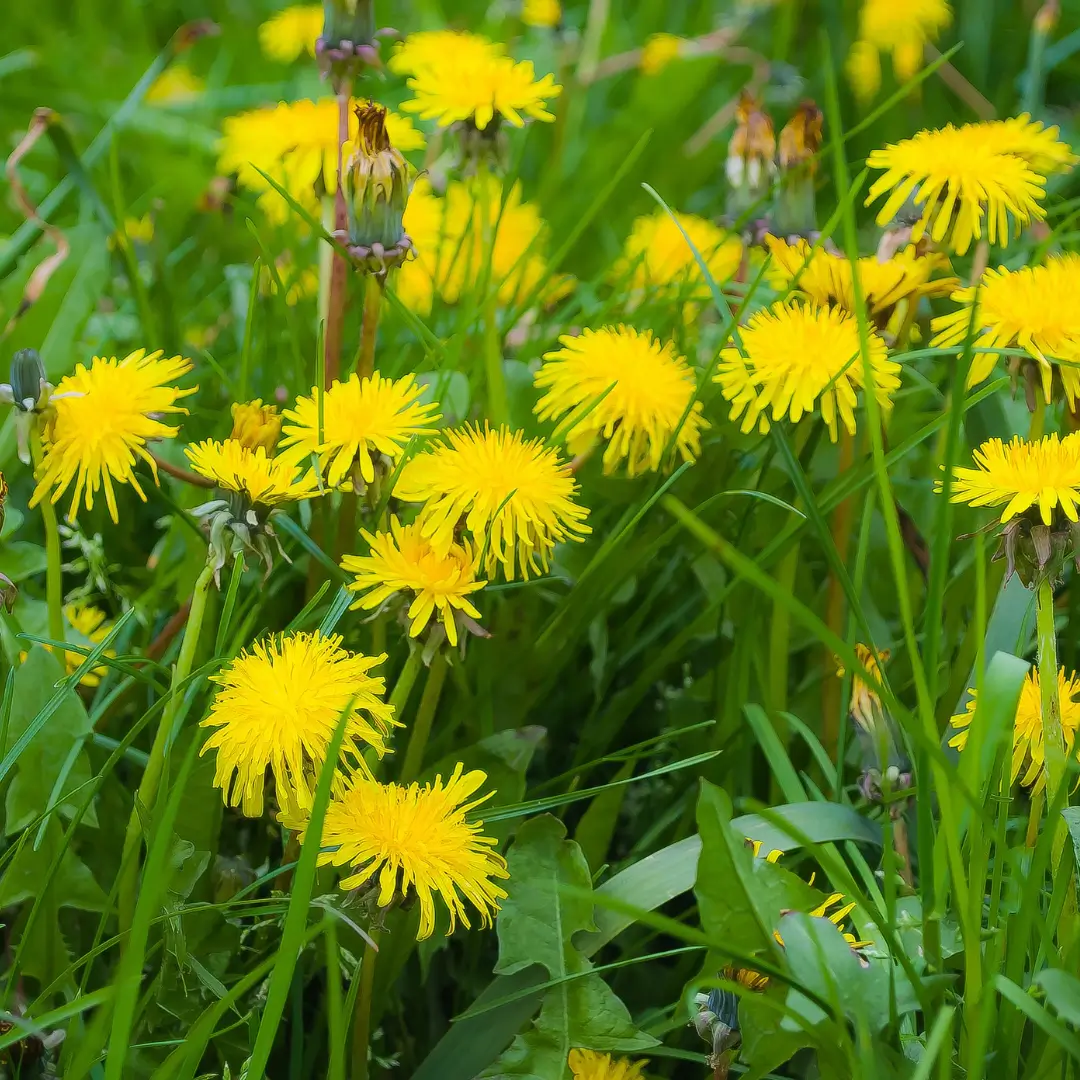
Dandelion (Taraxacum officinale) - commonly known and often underappreciated, the dandelion is a valuable source of nectar from spring until autumn. Left to bloom, it supports bees and allows for the harvest of honey with a slightly spicy aroma.
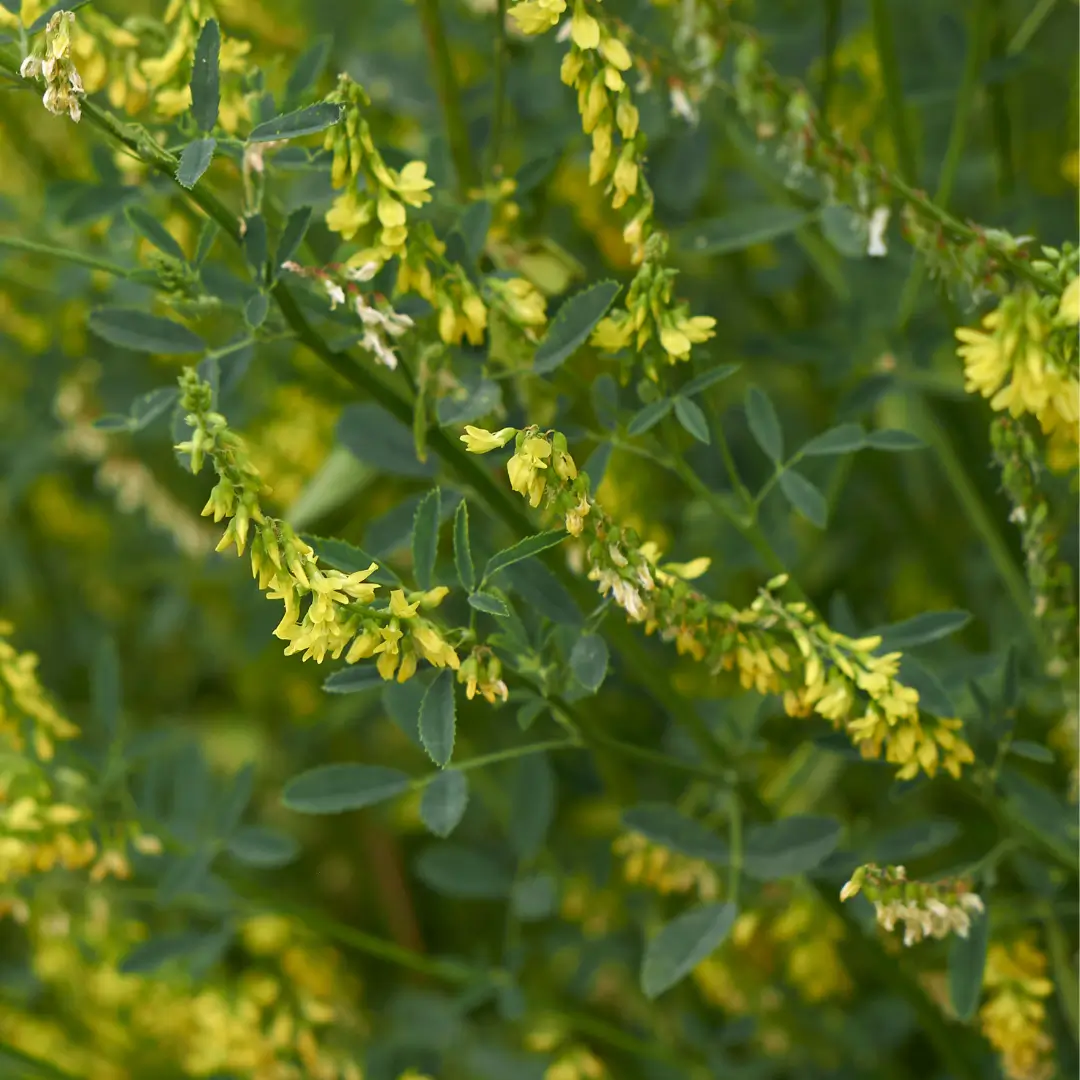
Yellow sweet clover (Melilotus officinalis) - this is a plant with a huge mass of flowers and very high melliferous value. Sweet clover is easy to grow and perfectly suited for larger gardens or plots. Its honey has a characteristic sweet taste and a light golden colour.
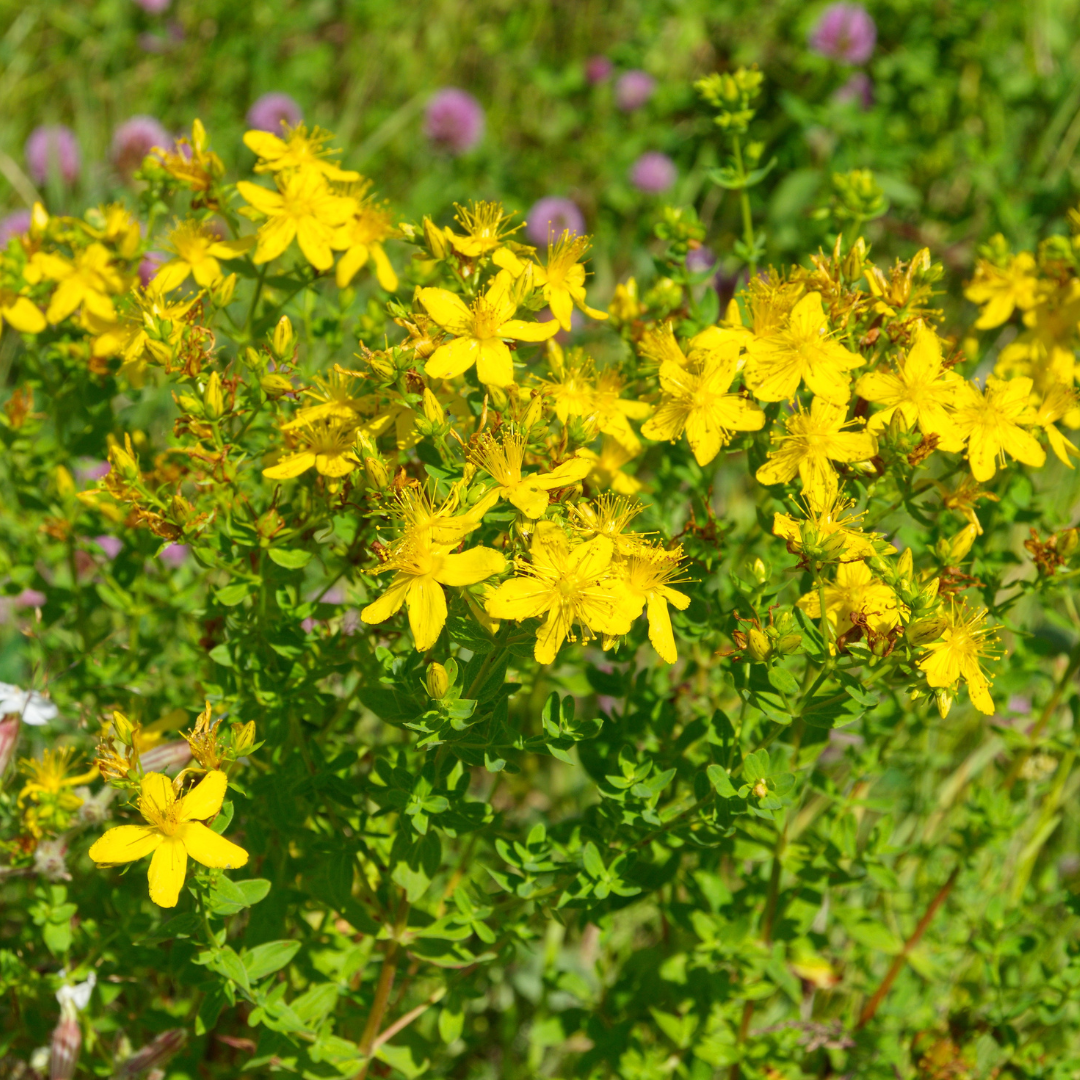
St John's wort (Hypericum perforatum) - although primarily valued in herbalism, St John's wort is also an important melliferous plant, blooming from July to September. St John's wort honey is not only tasty but also supports the digestive system.
3. Melliferous herb mixes – ideal for bees and garden aesthetics
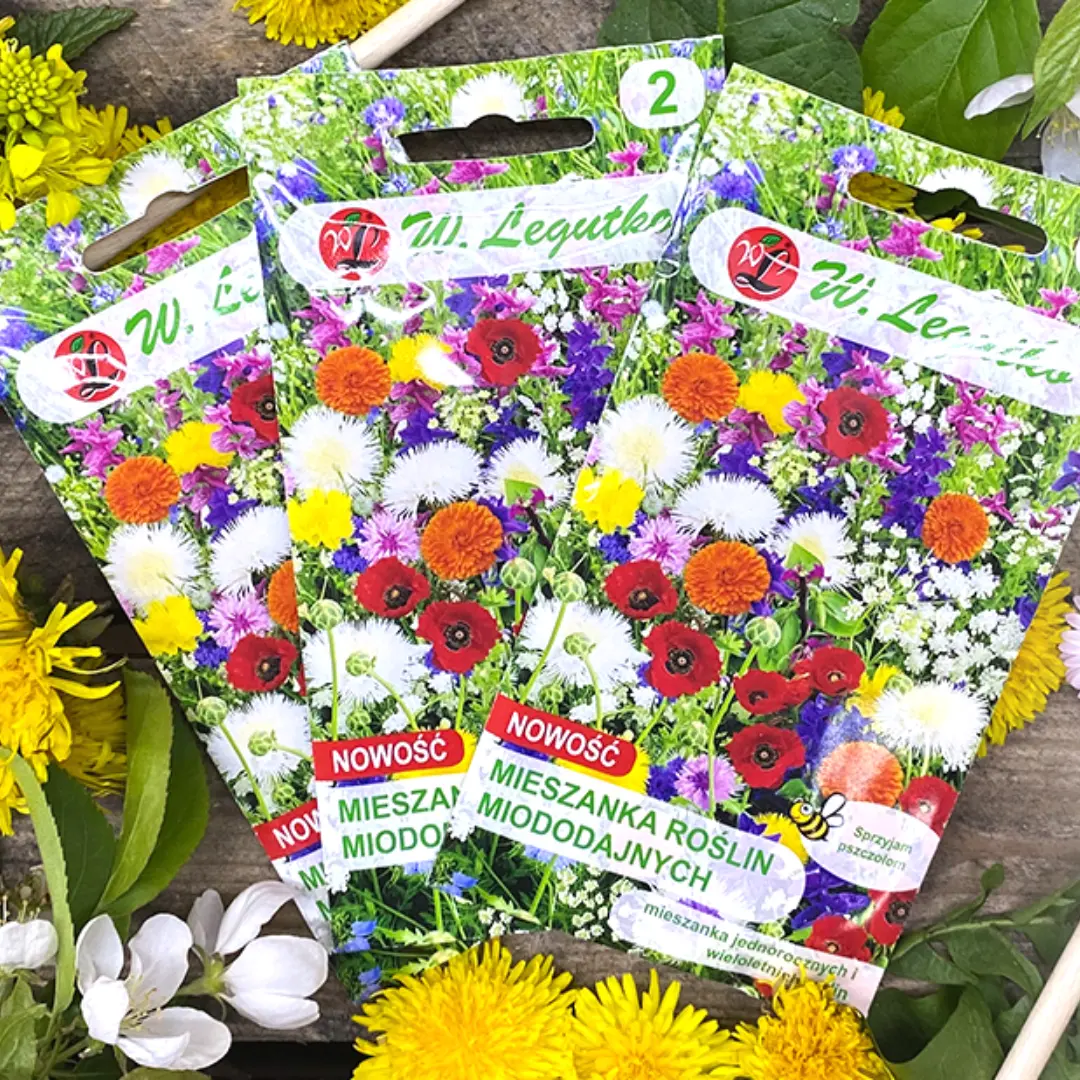
For people who want to look after bees on a larger scale and simultaneously create a unique space in the garden, sowing a mix of melliferous herbs is an excellent idea. This solution not only supports pollinating insects throughout the season but also delights with a variety of colours, shapes, and scents. Such a flower meadow made of herbs can become not only a source of benefit for bees but also a garden decoration, catching the eye and introducing a rural, natural atmosphere.
Appropriately selected plants will bloom from spring until late autumn, ensuring continuous access to nectar and pollen. Many of them have the ability to self-seed, which makes the garden will naturally renew and enrich itself from year to year. What is more, such a mix does not require special conditions – most plants will manage even on light or less fertile soils. This makes it possible to successfully sow them also on fallow land, the edges of plots, or in less developed parts of the garden.
By deciding to create such a meadow of melliferous herbs, we not only support biodiversity and help bees but also create a space full of life, colour, and scent – the true heart of the garden, pulsing with nature.
4. Summary
Melliferous herbs are not only beautiful and aromatic plants, but also an extremely valuable source of food for bees, to whom we owe so much – from pollinating plants to producing honey. By creating even a small corner with the right herbs, we can realistically contribute to improving the living conditions of these beneficial insects.
Regardless of whether you choose individual species or decide on a mix of melliferous herbs, you gain something more than just an aesthetic garden – you create a space that lives, helps, and inspires. This is a simple, natural step towards a more sustainable world where plants, bees, and people can coexist harmoniously.
Bibliography/Sources:
Lewandowski M., Herbs as melliferous plants, Pasieka24.pl Publishing House