
Natural support for Helicobacter pylori - which honey to choose?
Infection with Helicobacter pylori bacteria can lead to serious stomach problems, such as ulcers or inflammation of the mucous membrane. Although treatment usually requires antibiotics, many people look for natural methods to support therapy. Honey and propolis, thanks to their unique antibacterial and anti-inflammatory properties, can play a significant role in alleviating symptoms and supporting the healing process.
If you want to find out more about how to effectively use honey and propolis in the fight against Helicobacter pylori, we invite you to read our full blog post!
Table of contents:
2. Properties of honey and Helicobacter pylori
3. The best honeys for Helicobacter pylori
4. How to consume honey with Helicobacter pylori?
5. Effects of propolis on Helicobacter pylori
6. How to use propolis for Helicobacter pylori?
1. What is worth knowing about Helicobacter pylori?
Helicobacter pylori is a spiral bacterium that colonises the mucous membrane of the stomach and duodenum. It is responsible for many digestive system ailments, such as stomach ulcers, gastritis, and even stomach cancer. It is estimated that infection with this bacterium affects as much as 50-70% of the population worldwide, although it does not lead to the development of disease symptoms in everyone.
This bacterium is particularly dangerous because it can survive in the acidic environment of the stomach, where most other microorganisms are destroyed. Helicobacter pylori produces enzymes that neutralise hydrochloric acid in the stomach, which allows it to survive and lead to inflammation of the mucous membrane. This inflammatory state can then transform into more serious conditions, such as stomach or duodenal ulcers, gastro-oesophageal reflux, and even neoplasms.
Treatment of Helicobacter pylori infection usually consists of an antibiotic course, often in combination with medications that reduce stomach acid production. However, some people experience recurrences of the infection or tolerate antibiotics poorly, which prompts them to look for alternative methods of treatment support. In recent years, natural methods supporting the fight against H. pylori, such as the use of honey, have been gaining increasing popularity.
2. Properties of honey and Helicobacter pylori
Honey has been known for centuries as a natural remedy with strong healing properties, including antibacterial, anti-inflammatory, and regenerative ones. Its effect on the human body is widely studied, and in the context of fighting infections such as Helicobacter pylori, it can bring significant benefits.
Antibacterial effect - honey has the ability to inhibit the growth of many pathogenic microorganisms, including Helicobacter pylori bacteria. Various components of honey are responsible for this effect, such as hydrogen peroxide, flavonoids, polyphenols, and low pH. Hydrogen peroxide produced in the enzymatic process acts as a disinfectant, which helps limit the multiplication of bacteria. In turn, the polyphenol compounds and flavonoids contained in honey act as natural antioxidants, supporting repair processes in the body.
Supporting regeneration of the mucous membrane - Helicobacter pylori damages the stomach lining, which can lead to ulcers and other digestive tract conditions. Honey, thanks to its regenerative properties, supports the reconstruction of these damaged tissues. The enzymes, amino acids, and minerals contained in honey promote healing processes, soothing irritation and reducing inflammation.
Neutralising harmful bacteria - honey not only inhibits the development of Helicobacter pylori but also helps maintain the balance of the intestinal microflora, which is key to the health of the digestive system. Its regular consumption can counteract microflora disorders, which are often the result of infection or aggressive antibiotic therapy.
Supporting digestion - honey contains natural enzymes that support digestive processes, improving the absorption of nutrients and facilitating the work of the digestive tract. In the case of people with Helicobacter pylori infection, who often struggle with digestive problems, honey can bring relief by soothing symptoms such as heartburn, indigestion, or abdominal pain.
It is worth emphasising that although honey can be helpful in fighting Helicobacter pylori, it does not replace traditional treatment. However, it constitutes a valuable support for therapy, helping to alleviate symptoms and speed up the healing process!
3. The best honeys for Helicobacter pylori
Choosing the right type of honey is crucial for the effectiveness of natural therapy, so below we present the best honeys for Helicobacter pylori.
Acacia Honey - it is delicate in taste and easily digestible, which makes it ideal for people with stomach problems. It has antibacterial properties that can help fight Helicobacter pylori and also has a soothing effect on the stomach lining.

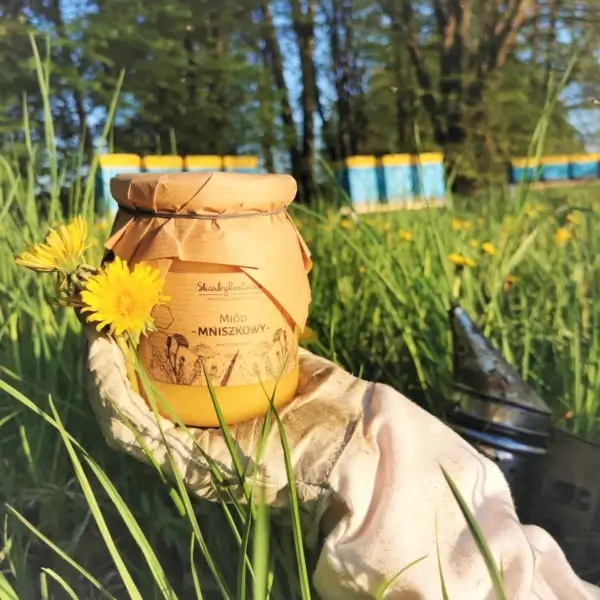
Dandelion Honey - obtained from dandelion flowers, dandelion honey supports digestion and has an anti-inflammatory effect. Thanks to natural enzymes, it can contribute to reducing inflammation caused by H. pylori and support the healing of ulcers.
Bean Honey - although less known, bean honey is rich in antioxidants and has strong antibacterial properties. It can support the fight against Helicobacter pylori and protect the stomach lining from further damage.

Lime Honey - it is valued for its anti-inflammatory and calming effects. It can help alleviate stomach ailments related to H. pylori infection and support the regeneration of the damaged mucous membrane.
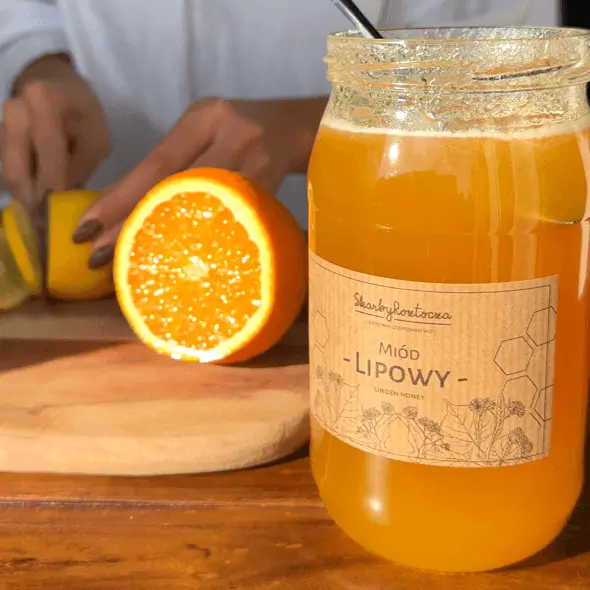
4. How to consume honey with Helicobacter pylori?
Using honey during a Helicobacter pylori infection can be a natural support in treating and alleviating symptoms associated with this bacterium. However, for honey to bring maximum benefits, it is worth following a few simple rules regarding its consumption.
Consumption on an empty stomach - the best way to utilize the properties of honey is to consume it in the morning, on an empty stomach. 1-2 teaspoons of honey taken before breakfast can effectively support the fight against Helicobacter pylori. The honey then acts directly on the stomach lining, soothing inflammation and helping to neutralise bacteria.
Dissolving in lukewarm water - honey can also be dissolved in lukewarm water. Adding honey to a glass of warm (but not hot) water can support the digestive process and alleviate symptoms such as heartburn or stomach pain. To further increase effectiveness, you can add lemon juice to the drink, which also has bactericidal effects.
Avoiding high temperatures - it is important not to heat honey above 40°C. High temperature destroys valuable enzymes and weakens the antibacterial properties of honey. If you want to add honey to tea, wait until the drink cools down slightly before adding it.
Regularity and moderation - the key to achieving the desired effects is regularity. Consuming honey daily over a longer period can bring relief from symptoms associated with Helicobacter pylori infection. However, it is important not to overdo the quantity – too much honey can lead to excessive sugar intake, which is not beneficial for health.
5. The effect of propolis on Helicobacter pylori
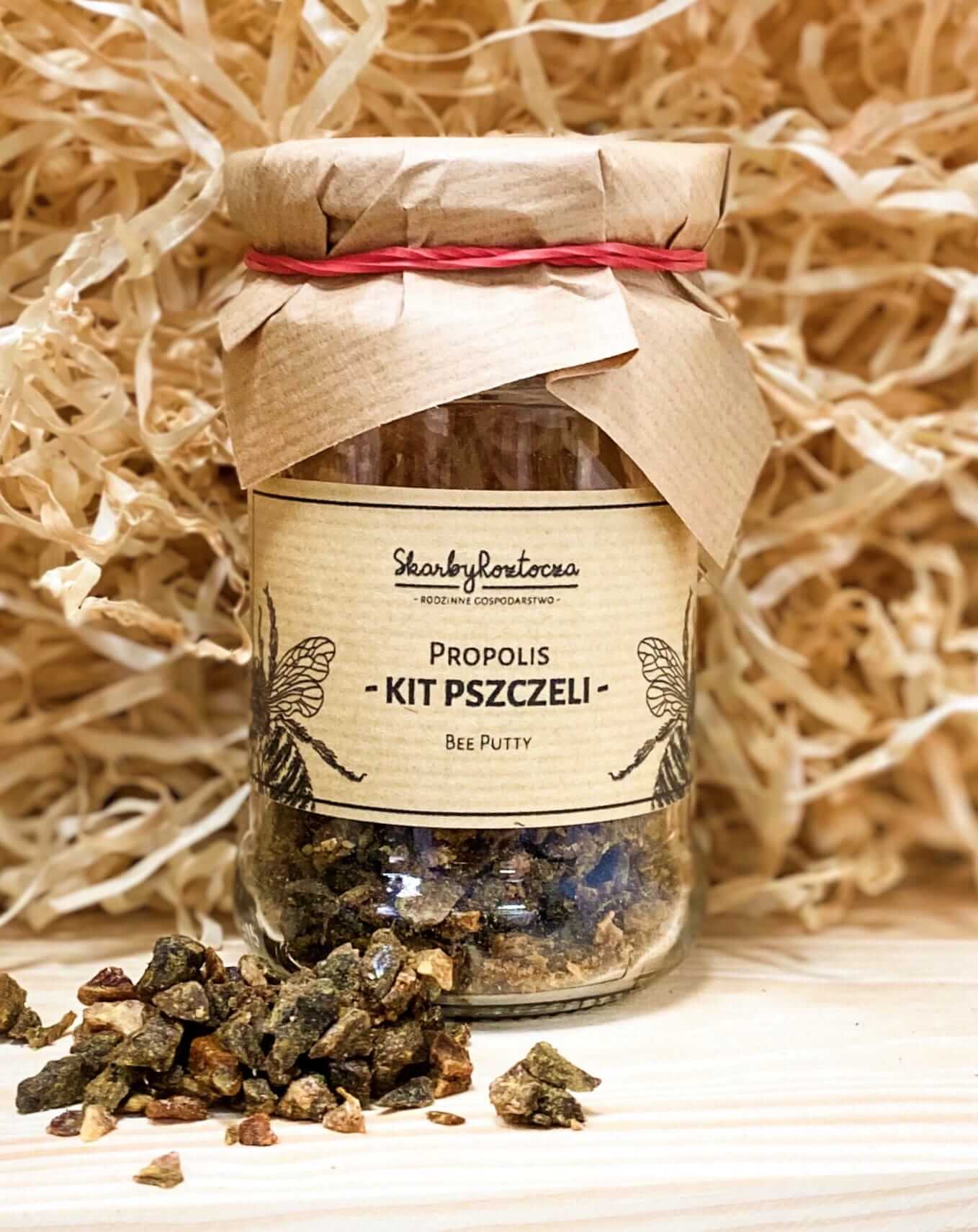
Propolis, also known as bee glue, is a natural substance produced by bees that exhibits strong antibacterial, anti-inflammatory, and regenerative effects. For centuries, it has been used in folk medicine as a remedy for various ailments, including bacterial infections. In the context of fighting Helicobacter pylori, propolis may prove to be effective support.
Antibacterial properties - propolis contains numerous bioactive compounds, such as flavonoids, phenolic acids, terpenes, and esters, which are known for their strong antibacterial effects. Propolis can inhibit the growth of Helicobacter pylori and even lead to its elimination. As a result, propolis can support the treatment of infection, especially in cases where the bacterium shows resistance to antibiotics.
Alleviating inflammation - Helicobacter pylori infection leads to inflammation of the stomach lining, which can cause ulcers and other digestive problems. Propolis acts anti-inflammatorily, reducing inflammation and accelerating the healing of damaged tissues. Regular use of propolis can help reduce symptoms such as abdominal pain, heartburn, or indigestion.
Supporting regeneration of the mucous membrane - thanks to its regenerative properties, propolis supports the reconstruction of the damaged stomach lining, which is crucial in the treatment of ulcers and erosions caused by Helicobacter pylori. The compounds contained in propolis promote cell regeneration and restore the integrity of the mucous membrane, which protects against further damage.
Strengthening the immune system - propolis is a natural immunostimulant, which means it strengthens the immune system. In the context of Helicobacter pylori infection, a stronger immune system can fight the infection more effectively, reducing the risk of recurrences and supporting the body in regeneration after the infection has passed.
6. How to use propolis for Helicobacter pylori?
Propolis can be used in the form of a tincture or propolis drops. In the case of Helicobacter pylori infection, it is usually recommended to take propolis on an empty stomach, which allows for its better absorption and direct action on the stomach lining. The dosage and form of the preparation should be adapted to individual needs and consulted with a doctor or specialist.
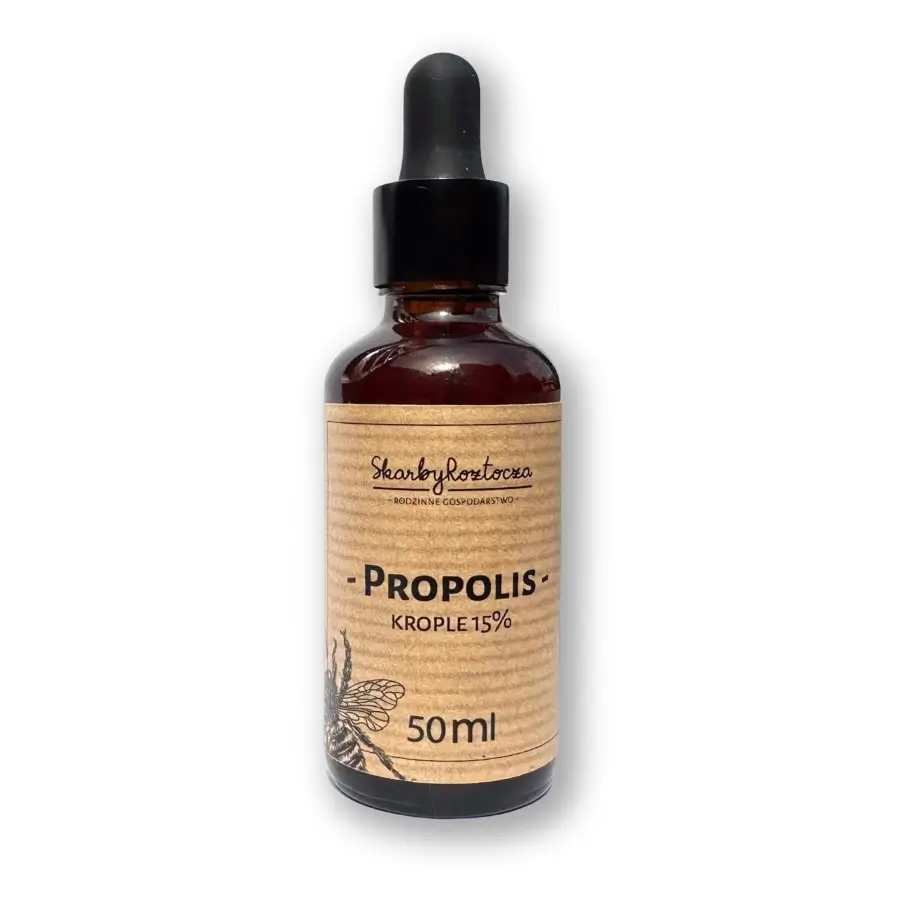
Form of preparation - propolis is available in various forms, including tinctures, drops , and capsules. Propolis tincture or drops are most often chosen for therapeutic purposes because they are easy to dose and take.
Usage on an empty stomach - for propolis to bring the best results in fighting Helicobacter pylori, it is recommended to take it on an empty stomach. Taking propolis on an empty stomach allows it to act directly on the stomach lining, where it can neutralise bacteria, reduce inflammation, and support tissue regeneration.
Dosage - typical dosage for propolis drops is from 20 to 50 drops dissolved in a small amount of lukewarm water or honey, taken up to three times a day. However, please remember that the dosage should be adapted to individual needs, age, body weight, and the severity of the infection. It is always worth consulting a doctor or specialist to determine the optimal dose.
Duration of treatment - propolis treatment should last at least several weeks to bring visible results. Regular use is key, as propolis acts gradually, strengthening the body and helping to fight the infection. It is important to monitor the body's reaction and consult a doctor if any undesirable symptoms appear.
Safety and possible contraindications - although propolis is a natural product, it is not suitable for everyone. People with an allergy to bee products, including honey, bee pollen, or bee venom, should avoid propolis. Also, pregnant women, breastfeeding mothers, and people taking medications should consult a doctor before starting propolis treatment.
7. Summary
Honey can be a valuable support in the fight against Helicobacter pylori, thanks to its antibacterial, anti-inflammatory, and regenerative properties. By choosing acacia, dandelion, bean, or lime honey, you can support the treatment of infection and alleviate symptoms associated with stomach problems. Remember, however, to consume honey regularly and in the appropriate way to benefit from its health properties.