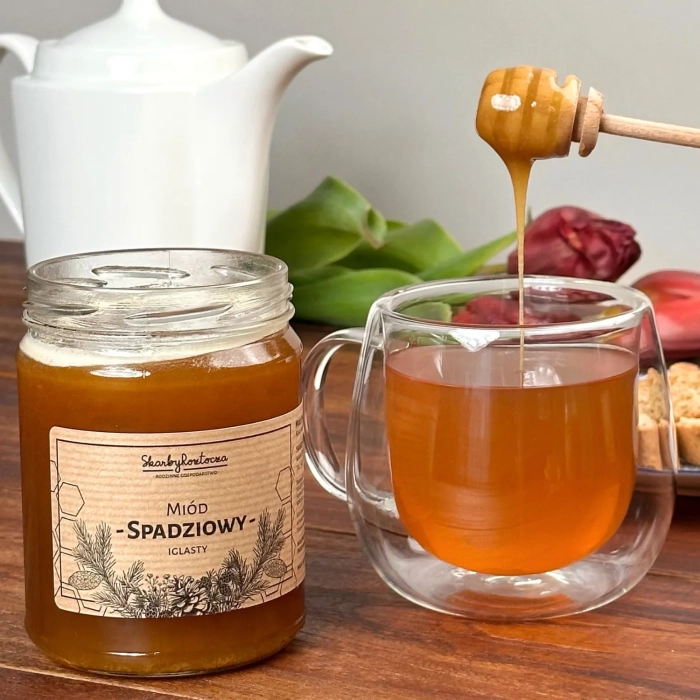

Naturalne słodziki – zdrowe zamienniki cukru
White sugar is increasingly disappearing from our kitchens – and quite rightly so. Excess sugar in the diet promotes obesity, insulin resistance and tooth decay. It is no wonder that more and more people are reaching for natural sweeteners, which not only provide sweetness but can also support health.
The most popular sugar substitutes include stevia, erythritol, xylitol and honey.
Would you like to learn more about natural sugar substitutes and choose the best one for you?
We invite you to read this short post, in which we compare honey, stevia, erythritol and xylitol.
Table of contents:
1. What are the healthy sugar substitutes?
2. Honey – natural sweetness full of health
3. Stevia – sweet without calories
4. Erythritol – neutral and mild
5. Xylitol – a birch ally for teeth
1. What are the healthy sugar substitutes?
White sugar is tasty, but its excess in the diet can lead to obesity, blood sugar level problems, tooth decay and other ailments. Fortunately, there are many healthy sugar substitutes that allow you to enjoy sweetness without straining your body.
The most popular natural sweeteners include:
-
Stevia
-
Erythritol
-
Xylitol
When choosing natural sweeteners, it is worth being guided by your health needs and taste preferences. Often the best solution is to combine different sweeteners, honey - where we value taste and nutritional value, and stevia or erythritol, when we want to limit calories.
Thanks to such substitutes, you can enjoy sweetness without guilt, enhancing the taste of dishes and drinks, while taking care of your health at the same time. Natural sweetness can therefore become not only a pleasure, but also a daily support for the body.
2. Honey – natural sweetness full of health
Honey is definitely more than just a sweetener. It is a fully natural bee product that has been valued for thousands of years not only in the kitchen but also in natural medicine. Since ancient times, it has been used as a strengthening agent, supporting the treatment of infections and as a natural source of energy. To this day, honey remains one of nature's most valuable gifts.

Why honey is so healthy?
Honey contains a wealth of enzymes, vitamins (especially from the B group), minerals such as potassium, magnesium or iron, as well as natural antioxidants. Thanks to this, it supports the proper functioning of the body on many levels.
Its antibacterial and anti-inflammatory properties mean that we often reach for it during periods of reduced immunity. Honey helps to soothe a sore throat, cough and cold symptoms, and when consumed regularly, it can support the body's natural defence mechanisms.
What is more, honey is an easily absorbed source of energy – natural simple sugars contained in honey quickly provide strength, which is why it is often chosen by physically active people, children or people during recovery.
Unlike refined sugar, honey is not an „empty calorie”. Its composition and health properties depend on the type, for example:
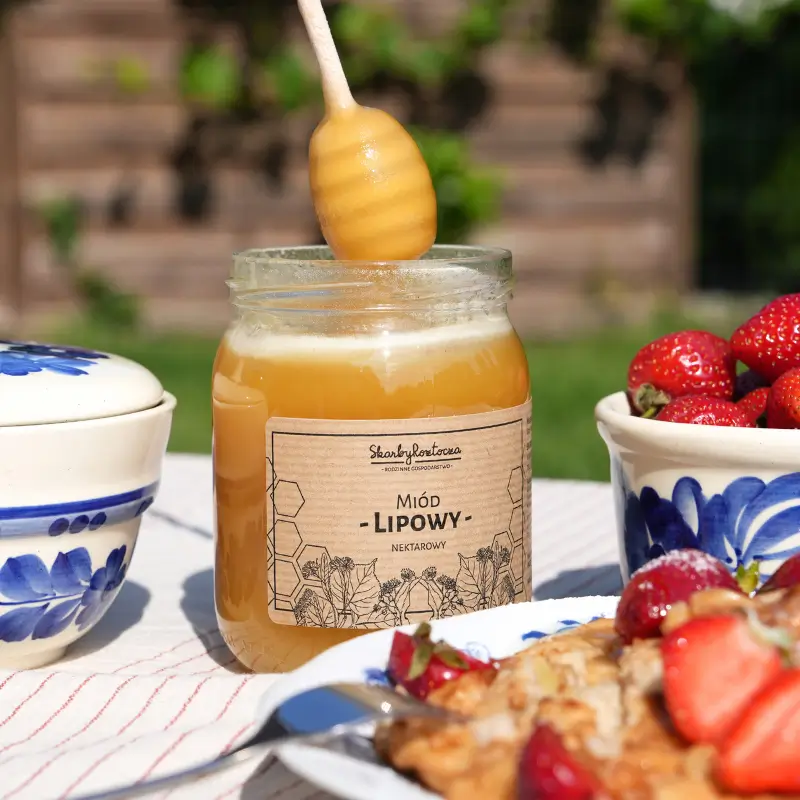
Linden Honey has a soothing effect and supports restful sleep, which is why it is particularly recommended during periods of stress and fatigue. It has anti-inflammatory and immune-supporting properties, making it an excellent choice during colds. It is characterised by a slightly sharp, distinct taste that perfectly enhances the flavour of drinks and dishes.
Buckwheat Honey rich in antioxidants, it supports the proper functioning of the heart and circulatory system. It is particularly valued for helping to raise iron levels, which is why it is often recommended for people with iron deficiencies. It stands out with a very intense, slightly bitter taste, which perfectly boosts the aroma of coffee, and also pairs great with meat dishes and savoury foods.

Multifloral Honey is perfect for everyday use – it is delicate and does not significantly change the taste of dishes, making it easy to add to teas, desserts or smoothies. At the same time, it supports the body's immunity by providing natural nutrients and antioxidants.

Each of them offers not only different health benefits but also unique taste qualities.
*Important tip: Although honey is exceptionally healthy, you must be careful about the temperature. Added to very hot drinks (above 40°C, e.g. in freshly brewed tea), it can lose its valuable properties – enzymes and antioxidants are then destroyed, and its nutritional value drops.
3. Stevia – sweet without calories
Stevia is a natural sweetener of plant origin, which is gaining more and more popularity in the kitchens of people caring for their health and figure. Its main advantage is that it contains no calories and does not raise blood sugar levels, which makes it an ideal choice for diabetics and people on a weight-loss diet.
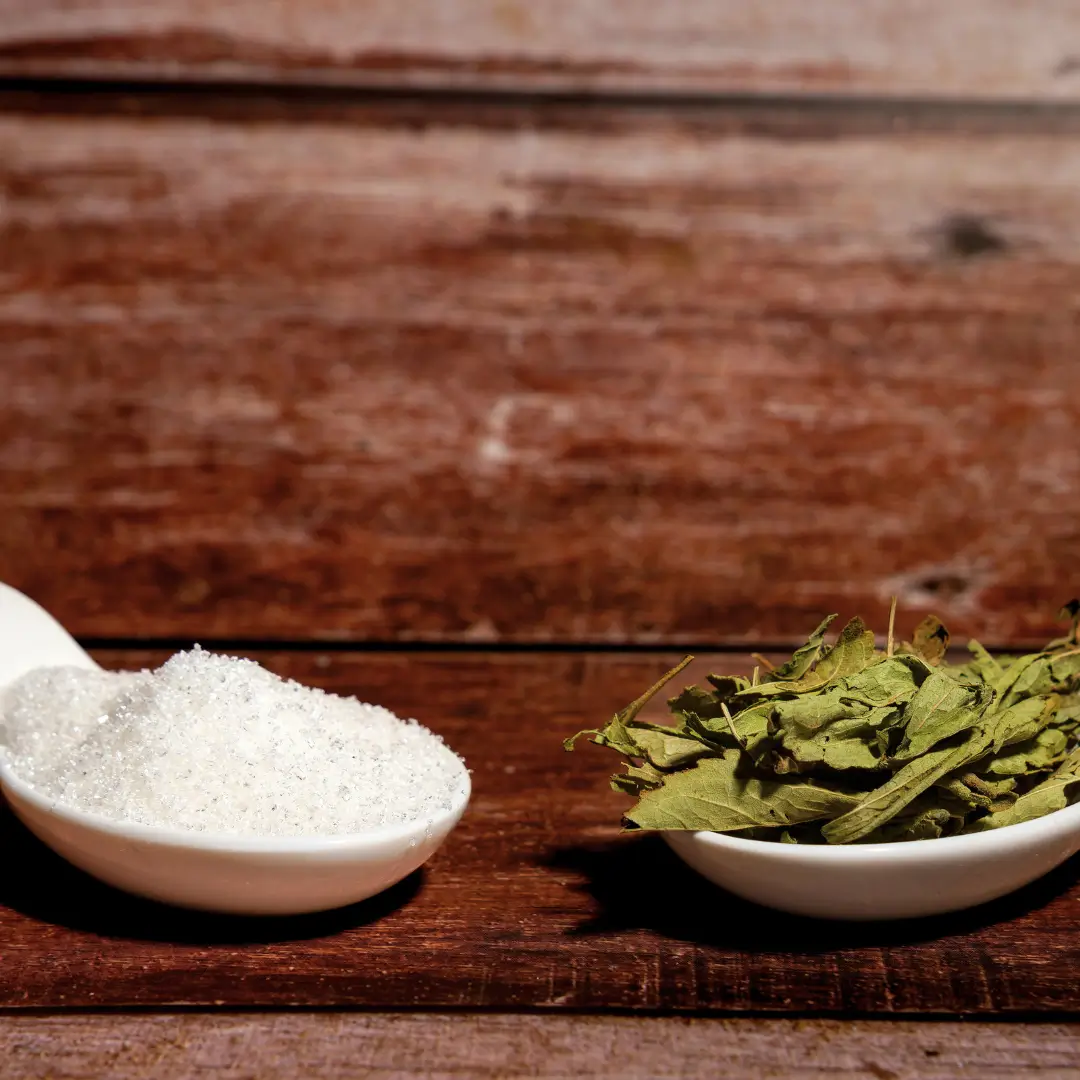
Stevia is several hundred times sweeter than sugar, so a small amount is enough to add sweetness to drinks, desserts or baked goods. It is very practical for everyday use, dissolves easily in drinks and does not ferment in the body.
The only downside of stevia is its characteristic, slightly bitter aftertaste, which doesn't suit everyone and can sometimes change the taste of some dishes. It is therefore worth experimenting with the amount and combining it with other natural sweeteners to achieve a perfect balance of flavour.
4. Erythritol – neutral and mild
Erythritol is a sugar alcohol naturally occurring in fruits, such as pears, grapes or melons. It is a popular choice for people who want to limit calories, as it has zero energy value and does not raise blood sugar levels.
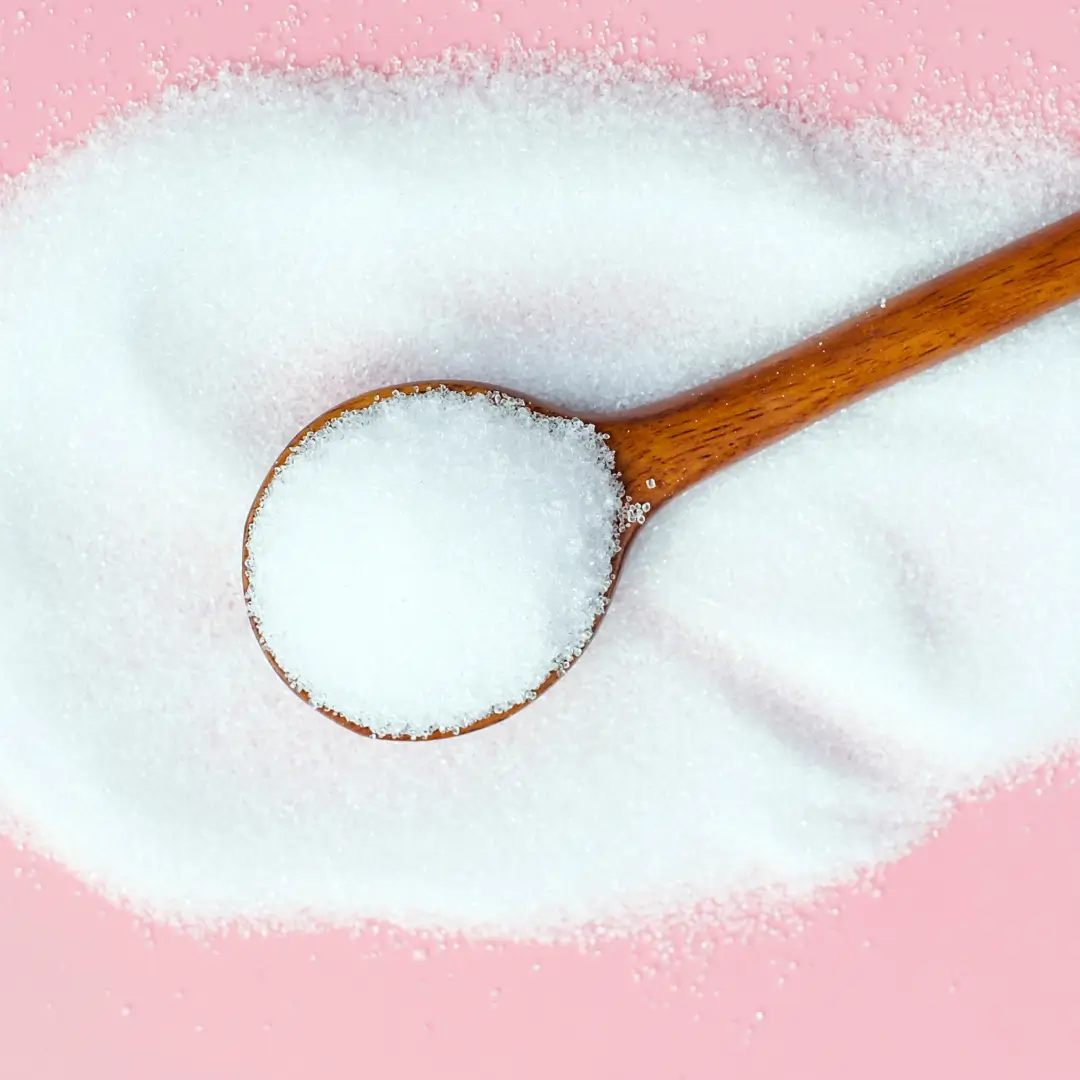
One of the greatest advantages of erythritol is that it does not cause tooth decay and has a taste very similar to sugar, making it perfectly suitable for drinks, desserts or baked goods. It is well tolerated by the body and rarely causes stomach ailments in moderate amounts, which distinguishes it from some other sugar alcohols.
However, it must be remembered that erythritol provides no nutritional value – it is simply a „safe sweetness” that allows you to enjoy the taste of sugar without additional calories and health risks.
5. Xylitol – birch ally for teeth
Xylitol, often called birch sugar, is a natural sweetener that is gaining more and more popularity in kitchens and health-oriented diets. It has a low glycaemic index, thanks to which it does not cause rapid spikes in blood sugar levels, making it a good choice for diabetics and people watching their weight.
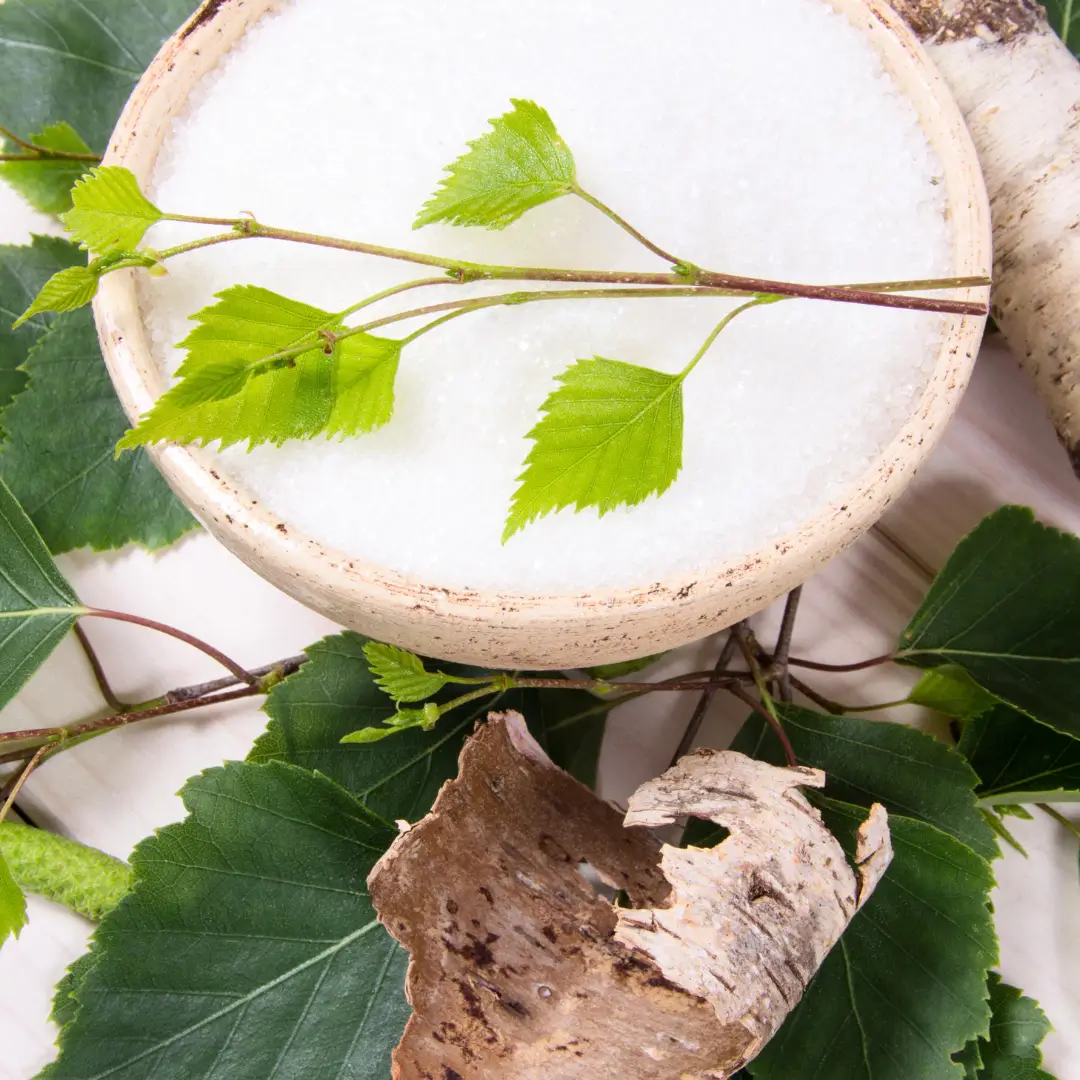
One of the greatest advantages of xylitol is its positive impact on oral health – it limits the development of caries-causing bacteria, supports tooth mineralisation and is often used in toothpastes or chewing gums.
Xylitol is a good sugar substitute in drinks, baked goods and desserts. Its taste is very similar to traditional sugar, so it doesn't significantly change the aroma of dishes.
Excessive consumption in large amounts can cause bloating, gas or mild diarrhoea, especially in sensitive individuals. Also remember that xylitol is toxic to pets, especially dogs and cats, so it should be stored out of reach of pets.
6. What to choose?
The choice of a natural sweetener depends primarily on your needs, lifestyle or simply your taste :)
If your goal is to limit calories or control blood sugar levels, stevia or erythritol will be a great choice. Stevia contains no calories and is extremely sweet, while erythritol allows you to enjoy the taste of sugar without the extra calories. Both will work well in drinks, desserts or baked goods, although it's worth remembering their specific taste – slightly bitter in the case of stevia or subtly cooling in the case of erythritol.
If, on the other hand, you are looking for a sweetener that not only sweetens but also brings something more to your daily diet, it is worth considering honey. It is a natural product, full of enzymes, vitamins, minerals and antioxidants. It gently enhances the taste of dishes and drinks, and at the same time supports immunity and has anti-inflammatory effects. Different types of honey – linden, buckwheat, multifloral – allow you to adjust the taste and properties to your own needs.
In practice, often the best solution is to combine sweeteners. It is worth using honey where we value its taste and health properties, and stevia or erythritol when we want to limit calories. Thanks to this, you can enjoy natural sweetness in a balanced and conscious way, tailored to your lifestyle.

7. Summary
Natural sweeteners are an excellent alternative to white sugar, which in excess can negatively affect health and well-being. However, it is worth choosing them consciously, paying attention not only to the taste but also to the properties and impact on the body.
Among all the options, honey stands out in particular. It is not only a natural bee product but also a source of valuable enzymes, vitamins, minerals and antioxidants. Thanks to this, it not only sweetens dishes and drinks but can realistically support health, strengthening immunity, acting as an anti-inflammatory and adding energy.
What's more, the versatility of honey makes it perfect for everyday use – in tea, desserts, baked goods, and also as an addition to dishes where we want to enhance the taste and aroma. It is a sweetness that makes a difference for both taste and health, combining the pleasure of eating with support for the body.
Sources/Bibliography:
- Szymanowska K., Witek B., Pro-health and therapeutic properties of selected types of honey EBiŚ 2022, 1(77) ISSN 1643-8779, e-ISSN 2720-5789 DOI: 10.24131/3247.220103
- Czekański M. Honey therapy, Wydawnictwo M, ISBN 978-83-60725-28-3, Kraków 2007
Bielaszka A., Kardas M., Kiciak A., Szczepańska E and others. Use of stevia as a sugar substitute by adults BROMAT. CHEM. TOKSYKOL. – XLIX, 2016, 3, pp. 450 – 454 - Bugaj B., Leszczyńska T., Pysz M., Kopeć A., Pachlorz J., Pysz-Izdebska K. Characteristics and pro-health properties of stevia rebaudiana bertoni FOOD. Science. Technology. Quality, 2013, 3 (88), 27 – 38
- Młyński D., Sweeteners Piastów Śląskich Medical University in Wrocław Postgraduate Training Study
- Grembecka M., Xylitol – role in diet and prevention and therapy of human diseases BROMAT. CHEM. TOKSYKOL. – XLVIII, 2015, 3, pp. 340 – 343