

Nuts Polish - which nuts can be found in Poland and which ones are the best to choose?
Nuts are true treasures of nature, full of nutritional value and health properties. In Poland, we have access to many types of nuts that can be found in the wild as well as in gardens or orchards.
Here is an overview of the most popular nuts found in Poland and tips on which ones are worth choosing for your daily diet. Welcome!
Table of contents:
4. Which nuts are the best to choose?
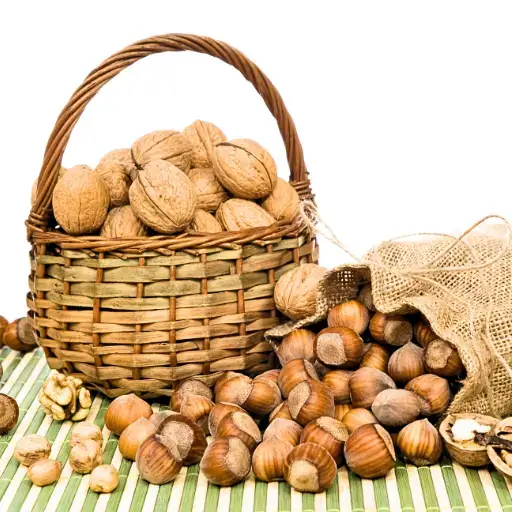
1. Walnuts
Walnuts are one of the most popular nuts grown in Poland, highly regarded for their nutritional values and health properties. They have a characteristic hard shell that is easy to recognise, and flesh with an intense, slightly bitter taste. Thanks to the wealth of nutrients, walnuts are an excellent addition to the daily diet.
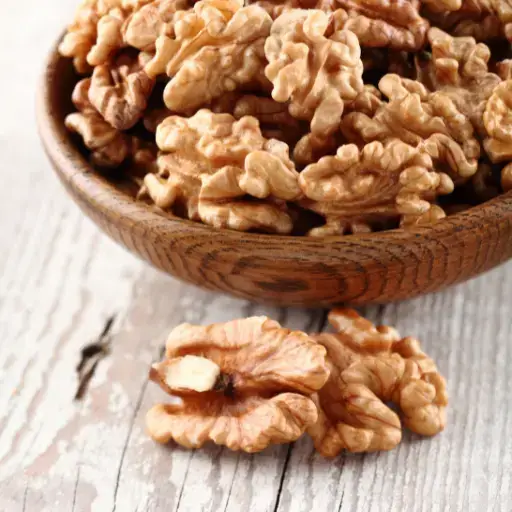
- Nutritional values of Walnuts
Walnuts are a true treasure trove of valuable substances. First and foremost, they are one of the best natural sources of omega-3 fatty acids, which are crucial for heart and brain health. Omega-3 acids help reduce inflammation, lower cholesterol levels, and support the proper functioning of the nervous system.
These nuts are also rich in protein, making them a valuable dietary component, especially for vegetarians and vegans. The protein contained in walnuts supports muscle building and regeneration, and also provides a feeling of satiety.
Fibre, present in walnuts, supports digestive health by improving digestion and helping to regulate blood sugar levels. Fibre also contributes to maintaining a healthy weight because it helps control appetite.
Walnuts are rich in B vitamins, which play a key role in energy metabolism, support the nervous system, and improve skin condition. Vitamin E, known as the "vitamin of youth", acts as a powerful antioxidant, protecting cells from damage caused by free radicals and supporting skin and eye health.
The magnesium contained in walnuts supports muscle and nerve function, helps maintain a healthy heart rhythm, and supports the immune system.
- Health benefits of Walnuts
Walnuts are known for their beneficial effect on brain health. Thanks to their high omega-3 fatty acid content, regular consumption of walnuts can improve memory, concentration, and overall mental performance. Additionally, the phenolic compounds and antioxidants present in these nuts can protect the brain against degenerative diseases such as Alzheimer's.
Heart health is another area where walnuts play an important role. Research has shown that omega-3 fatty acids and other nutrients in walnuts can lower "bad" LDL cholesterol, increase "good" HDL cholesterol, and improve blood vessel function. All this contributes to reducing the risk of cardiovascular diseases.
Walnuts also have anti-inflammatory properties, which is beneficial for people suffering from chronic inflammation, such as arthritis or autoimmune diseases. Regular consumption of walnuts can help reduce pain and swelling associated with these conditions.
- How to include Walnuts in your diet?
Walnuts are extremely versatile and can be consumed in many ways. They can be eaten as a healthy snack, added to salads, yoghurts, oatmeal, or smoothies. Walnuts are also a great ingredient for baked goods such as cakes, cookies, and breads. They can also be used to prepare homemade nut butter or pesto.
2. Hazelnuts.
Hazelnuts, also known as filberts, are a popular species grown in Poland, valued for their nutritional values and delicate, slightly sweet taste. These small, round nuts are a true treasure trove of health, providing the body with essential nutrients that support various aspects of health and well-being.
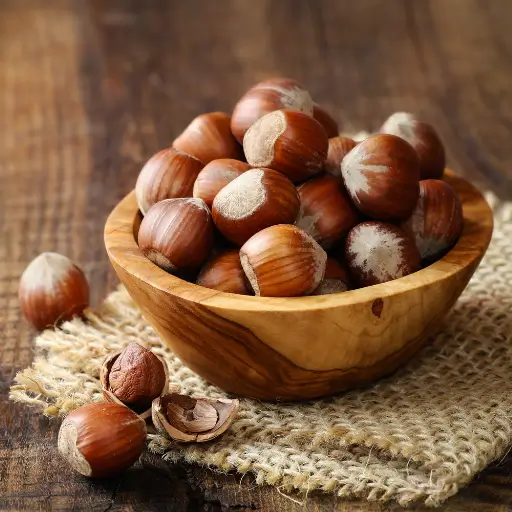
- Nutritional values of Hazelnuts
Hazelnuts are rich in healthy fats, in particular monounsaturated fatty acids, which are beneficial for heart health. These fats help lower "bad" LDL cholesterol and increase "good" HDL cholesterol, which contributes to reducing the risk of cardiovascular diseases.
Hazelnuts are also an excellent source of protein, making them a valuable dietary component, especially for those on a plant-based diet. Protein is essential for building and repairing tissues, as well as for the production of enzymes and hormones.
Vitamins present in hazelnuts, such as vitamin E and B vitamins, play a key role in maintaining health. Vitamin E, known as a powerful antioxidant, protects cells from damage caused by free radicals, supports skin, eye, and immune system health. B vitamins, including thiamine, riboflavin, niacin, and folates, support energy metabolism, nervous system function, as well as skin and hair health.
Hazelnuts are rich in minerals such as copper, manganese, and magnesium. Copper and manganese are essential for bone health, supporting their structure and strength. Magnesium plays a key role in muscle and nerve function, protein synthesis, and blood sugar regulation.
- Health benefits of Hazelnuts
Hazelnuts support nervous system health thanks to their high content of B vitamins and healthy fats. Regular consumption of hazelnuts can improve cognitive functions, support concentration and memory, as well as reduce stress and improve mood.
These nuts are also beneficial for bone health. The minerals they contain, such as copper, manganese, and magnesium, support bone mineralisation, which helps prevent osteoporosis and other bone diseases. Magnesium additionally supports calcium absorption, which is essential for maintaining strong bones and teeth.
Hazelnuts contribute to maintaining healthy skin thanks to their vitamin E and other antioxidant content, which protect the skin from the harmful effects of free radicals and UV rays. Regular consumption of these nuts can improve skin elasticity, prevent premature ageing, and support the healing of wounds and inflammation.
- How to include Hazelnuts in your diet?
Hazelnuts are a versatile ingredient that can be easily incorporated into the daily diet. They can be eaten as a healthy snack, added to muesli, yoghurts, oatmeal, or salads. Hazelnuts go great with desserts, cakes, cookies, and various breakfast dishes.
They can also be used to prepare homemade nut butter, which is an excellent addition to sandwiches, smoothies, or fruit. In the kitchen, they can be used as a topping for dishes, an addition to sauces, or an ingredient in main courses to enrich the taste and nutritional value of meals.
3. Beechnuts.
Beechnuts, also known as mast, are a less popular but extremely valuable type of nut found in Polish forests. Although they often remain in the shadow of more well-known nuts such as walnuts or hazelnuts, beechnuts have a lot to offer in terms of both taste and nutritional value.

- Nutritional values of Beechnuts
Beechnuts are a true treasure trove of protein, which is essential for building and repairing tissues and the production of enzymes and hormones. The protein content in beechnuts makes them a valuable dietary component, especially for people who prefer plant-based protein sources.
Fats present in beechnuts, including healthy monounsaturated and polyunsaturated fatty acids, support heart health, helping to lower "bad" LDL cholesterol and increase "good" HDL cholesterol. As a result, regular consumption of beechnuts can contribute to reducing the risk of cardiovascular diseases.
Beechnuts are also a source of carbohydrates, which provide the energy necessary for daily activity. These carbohydrates are slowly digested, which helps maintain stable blood sugar levels and prevents sudden energy drops.
B vitamins, present in beechnuts, support nervous system function, energy metabolism, and skin and hair health. These vitamins are essential for the proper functioning of the body, helping to produce energy from food and maintaining a healthy nervous system.
- Health benefits of Beechnuts
Beechnuts have many health benefits. First and foremost, they support digestive health. Thanks to their fibre content, beechnuts support digestion, preventing constipation and supporting healthy intestinal peristalsis. Fibre also helps maintain a feeling of satiety, which can be beneficial for those looking to control their weight.
Healthy fats and protein contained in beechnuts support heart and circulatory health. Regular consumption of these nuts can contribute to lowering blood pressure and improving blood vessel elasticity, which supports the overall condition of the cardiovascular system.
Thanks to the presence of B vitamins, beechnuts support nervous system function, improving concentration, memory, and mood. These vitamins also help in reducing stress and fatigue, supporting overall well-being.
- How to include Beechnuts in your diet?
Beechnuts can be consumed in many ways. They can be eaten raw as a healthy snack, roasted, added to salads, muesli, yoghurts, or oatmeal. They pair perfectly with various dishes, both sweet and savoury, adding not only nutritional value but also a unique taste.
Beechnuts can also be used to prepare homemade nut butter, which is a great addition to sandwiches, fruit, or smoothies. Their delicate, slightly sweet taste makes them a versatile ingredient that can be easily incorporated into the daily diet.
4. Which nuts are the best to choose?
The choice of nuts depends on individual needs and taste preferences. Walnuts are ideal for people needing support for the brain and heart, hazelnuts will be excellent for skin and nervous system health, and beechnuts can be an interesting dietary supplement.
We prefer choosing our domestic nuts, especially those hand-shelled from trees in our garden; if you do too - we encourage you to explore our range of nuts: Nuts.
5. Summary.
Polish nuts are not only tasty but also extremely healthy. Rich in protein, healthy fats, vitamins, and minerals, they are an excellent addition to the daily diet. Regardless of which nuts you choose, you will gain a valuable and natural ingredient that will help you take care of your health and well-being. We invite you to try different types of nuts and discover their beneficial properties!