
Quince juice – a rich source of vitamin C
Quince juice is a true treasure of nature, which in recent years has been gaining more and more popularity among people caring for their health and immunity. This unique juice, although less known than other fruit juices, is a real vitamin bomb and excellent support in the autumn-winter season, when our body particularly needs strengthening.
Want to learn more about quince juice? We invite you!
Table of contents:
1. Health properties of quince juice
2. Nutritional components of quince juice
3. Quince juice as an addition to tea
4. A good substitute for lemon
5. Immunity support in the autumn-winter season
1. Health properties of quince juice
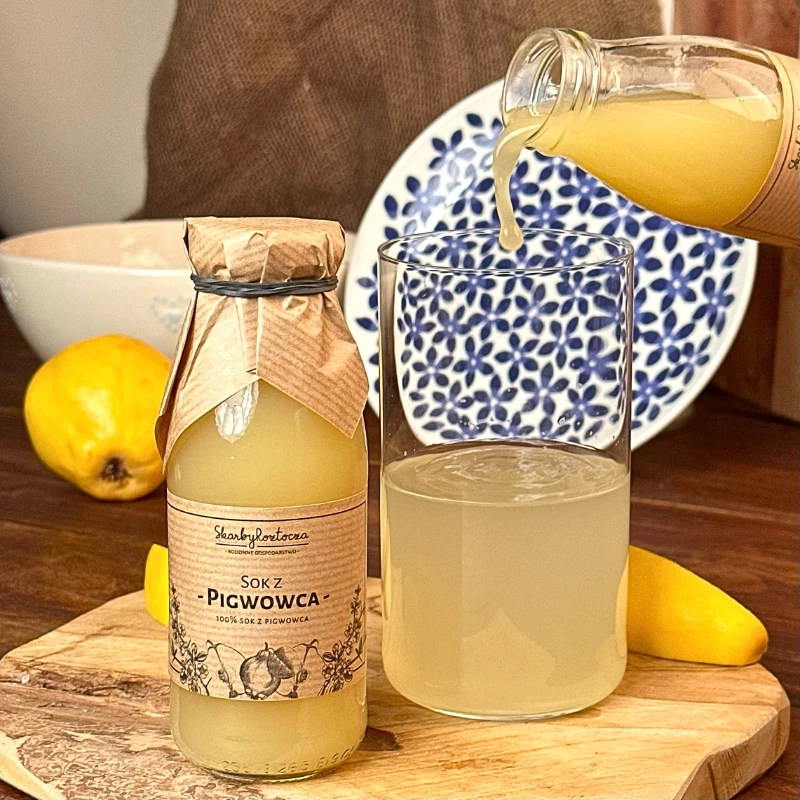
Flowering quince, although often confused with common quince, is a fruit of slightly smaller size, but full of extraordinary health properties. Above all, quince juice is extremely rich in vitamin C. This vitamin is one of the key components supporting our immune system. Regular consumption of quince juice helps strengthen the body, reduces the risk of infection, and supports the fight against the common cold.
Thanks to its high content of antioxidants, such as polyphenols and flavonoids, quince juice also has anti-inflammatory effects and protects cells from oxidative stress. Consuming this juice can support the body's regeneration after illness, as well as have a positive effect on skin condition by delaying the ageing process. What is more, quince juice has gentle detoxifying properties, supporting liver function and the removal of harmful substances from the body.
Quince is rich in pectins – natural fibre substances that have gelling properties and support the proper functioning of the digestive system. Pectins help regulate blood cholesterol levels and support digestive processes, positively affecting intestinal peristalsis. As a result, quince juice can be helpful in regulating digestion and preventing problems such as constipation.
Thanks to the presence of potassium, quince juice can support heart and cardiovascular health. Potassium is a key mineral that helps regulate blood pressure, which in turn reduces the risk of cardiovascular diseases such as hypertension or atherosclerosis. Regular consumption of quince juice can therefore contribute to maintaining normal blood pressure and overall heart condition.
2. Nutritional components of quince juice
In addition to vitamin C, quince juice also provides us with other valuable nutrients. We can find B vitamins in it, which support the proper functioning of the nervous system, as well as vitamin E, known for its antioxidant properties. Quince is also a source of minerals such as potassium, calcium, and magnesium, which play an important role in maintaining the body's electrolyte balance and support heart and muscle function.
Thanks to the presence of B vitamins, quince juice can support the proper functioning of the nervous system, which is particularly important in situations of increased stress and fatigue. These vitamins help maintain a good mood, improve concentration, and enhance the overall vitality of the body. Combined with a high content of vitamin C, which protects the body against free radicals, quince juice can be a natural support in dealing with daily challenges and stress.
The characteristic, slightly tart taste of quince juice is due to the presence of citric and malic acids, which support digestion and have a refreshing effect. This makes quince juice an ideal stimulating drink, adding energy and supporting metabolism, especially during periods when we often feel tired and weakened.
3. Quince juice as an addition to tea
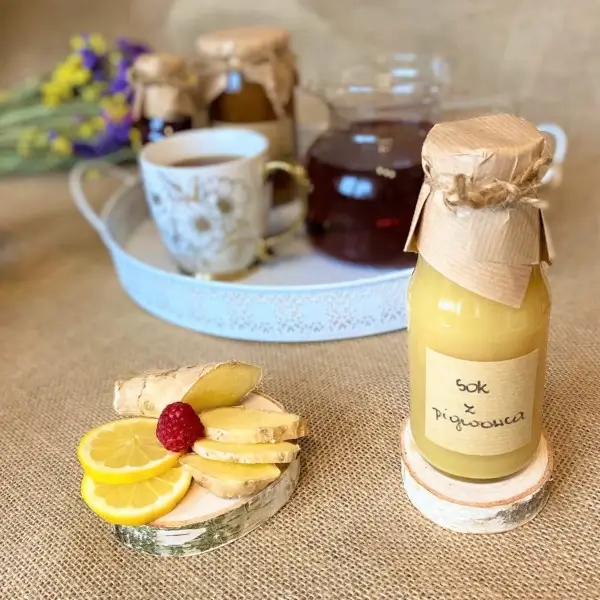
One of the most popular ways to consume quince juice is adding it to tea. Simply add a few teaspoons to your favourite infusion to create an exceptionally aromatic and healthy drink. Combined with warm tea, quince juice not only enriches its flavour but also strengthens its health properties. In the autumn-winter period, when the temperature outside drops, such tea with the addition of quince juice warms perfectly, soothes an irritated throat, and adds energy.
It is also worth experimenting by adding quince juice to tea with honey and ginger. Such a combination is a real power blend that supports our body in the fight against infections and colds. It can also be combined with green tea, which adds a refreshing taste and strengthens its detoxifying properties.
4. A good substitute for lemon
Quince juice is an excellent substitute for lemon, not only because of its high vitamin C content but also because of its unique taste and numerous health benefits. Its intense, sour taste gives dishes and drinks a characteristic, refreshing aroma that blends perfectly with a variety of dishes, both sweet and savoury. As a result, it can replace lemon in many culinary recipes, simultaneously adding unique flavour and nutritional value.
One of the advantages of quince juice is its gentler effect on the digestive system compared to lemon. People with sensitive stomachs who feel discomfort after consuming citrus fruits often tolerate quince better. Its consumption does not cause as much acidity in the stomach, making it a safer alternative for people suffering from heartburn or reflux.
Quince juice can be added to many dishes and drinks, such as salads, smoothies, and even soups and marinades. In salads, it pairs perfectly with olive oil, creating unique dressings that highlight the flavour of fresh vegetables and fruit. As an addition to smoothies, it enriches them with a refreshing, slightly tart accent that harmonises perfectly with fruit as well as vegetables. In marinades for meats, such as poultry or pork, quince juice acts similarly to lemon, tenderising the meat and giving it a subtle, sour aftertaste which, combined with herbs, creates an excellent flavour composition.
5. Immunity support in the autumn-winter season
The autumn-winter season is a time when our immunity is particularly exposed to various types of infections and colds. Variable weather, less sun, and lower temperatures contribute to the weakening of the body. In such conditions, quince juice becomes an invaluable ally. Thanks to its high vitamin C content, regular consumption of this juice strengthens our immune system, helping to fight viruses and bacteria.
Quince juice is a natural support in the fight against colds thanks to its strong strengthening and protective properties. The wealth of vitamin C and the presence of polyphenols and flavonoids mean that it acts not only preventively but also supportively during an infection. Regular consumption of quince juice can contribute to increasing the body's immunity, which is particularly important in the autumn-winter season when we are more vulnerable to various types of infections.
Furthermore, quince juice, thanks to its warming and anti-inflammatory properties, alleviates cold symptoms such as sore throat, cough, or general weakness. It can also be used as a natural aid in supporting the treatment of inflammation of the upper respiratory tract, making it an excellent choice for people who want to look after their health in a natural way.
6. Quince juice for colds
When the first symptoms of a cold appear, such as a sore throat, weakness, or a runny nose, it is worth reaching for quince juice immediately. Thanks to the high concentration of vitamin C, it helps to strengthen the body's immune response by stimulating the production of white blood cells, which are key in the fight against pathogens. Its anti-inflammatory action supports regenerative processes, soothing inflammation of the mucous membranes, thereby reducing sore throat and facilitating breathing.
Thanks to its antibacterial and antiviral properties, quince juice can be an effective support in fighting not only colds but also viral infections such as the flu. Regular consumption of the juice during periods of increased risk of illness can reduce susceptibility to infections and alleviate their course if they do occur. For people struggling with recurring infections, quince juice can be an excellent dietary supplement to strengthen overall immunity.
It is also worth noting that quince juice, due to its warming properties, helps to warm the body from the inside, which is particularly important on cold days. Consumed in warm form, for example as an addition to tea, it supports the fight against chills and the feeling of cold that often accompany a cold. Thanks to this, it not only supports the recovery process but also improves well-being, which is extremely important during an illness.
7. Summary
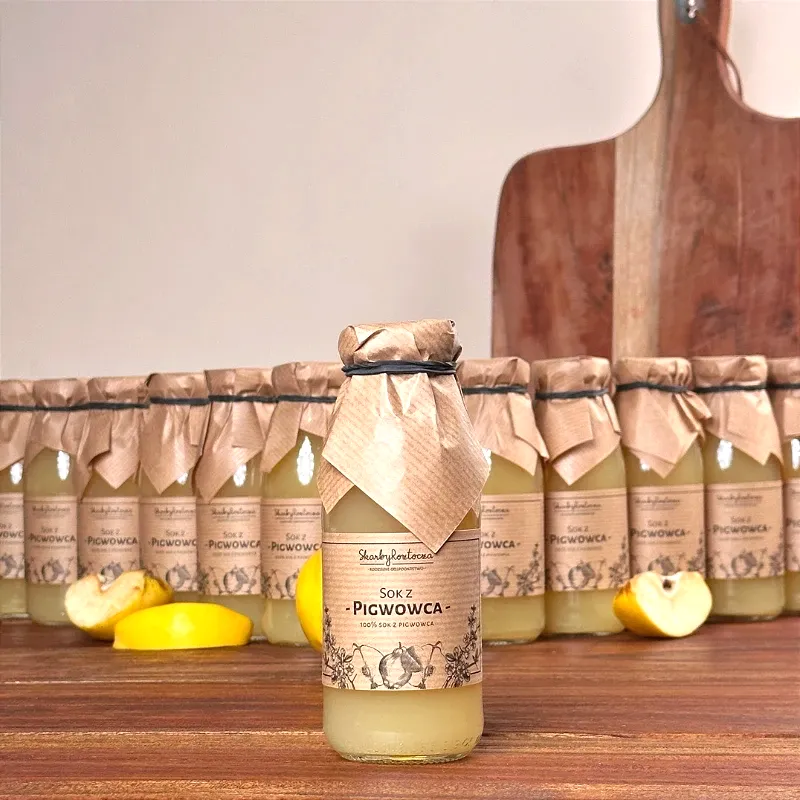
Quince juice is a true wealth of nature that is worth having in your pantry, especially during the autumn-winter period. Its unique health properties, rich nutritional composition, and versatility in the kitchen make it an excellent support in building immunity and a natural remedy for alleviating cold symptoms. Whether we add it to tea, a smoothie, or drink it on its own, quince juice is a natural way to health and well-being – as well as an interesting alternative to traditional lemon.
Sources/Bibliography:
- A. Antoniewska, J. Rutkowski, A. Adamska Characteristics of Japanese quince fruits and their application in the food industry FOOD. Science. Technology. Quality, 2017
- S. Byczkiewicz, J. Kobus-Cisowska, P. Szulc, A. Telichowska, O. Szczepaniak, M. Dziedziński Japanese Quince as a raw material with health-promoting properties – current state of knowledge Poznań University of Life Sciences, Faculty of Food Science and Nutrition