

The life cycle of a bee - how long do they live?
Bees are fascinating insects that play a key role in the ecosystem, pollinating plants and producing honey. Understanding a bee's life cycle can help you better appreciate their hard work and complexity.
In today's post, we present details about the lives of these extraordinary creatures and how long different types of bees live. Welcome!
Table of contents:
2. Lifespan of different types of bees
3. Impact of environmental conditions on a bee's life
1. Bee life cycle
The bee life cycle consists of four main stages: egg, larva, pupa, and adult bee. Each of these stages has its unique characteristics and lasts for a different amount of time.
Egg - the bee's life process begins with an egg, which is laid by the queen bee in the cells of the honeycomb. The egg is tiny, whitish in colour, and about 1-2 mm long. After 3 days, the egg develops into a larva.
Larva - also known as brood, it is a small, white worm that feeds on special food provided by worker bees (royal jelly). Depending on the conditions and purpose (whether it will be a worker, queen, or drone), the larva develops for about 6 days to several weeks.
Pupa - after the larval stage, the bee moves to the pupal phase. During this time, the larva transforms into an adult bee inside the pupal casing. This process takes from a few days to two weeks, depending on the type of bee and its role in the hive.
Adult bee - after leaving the pupal casing, the bee is ready to start its adult life. In this phase, its role may be working as a worker, drone (male), or queen, depending on its destiny.
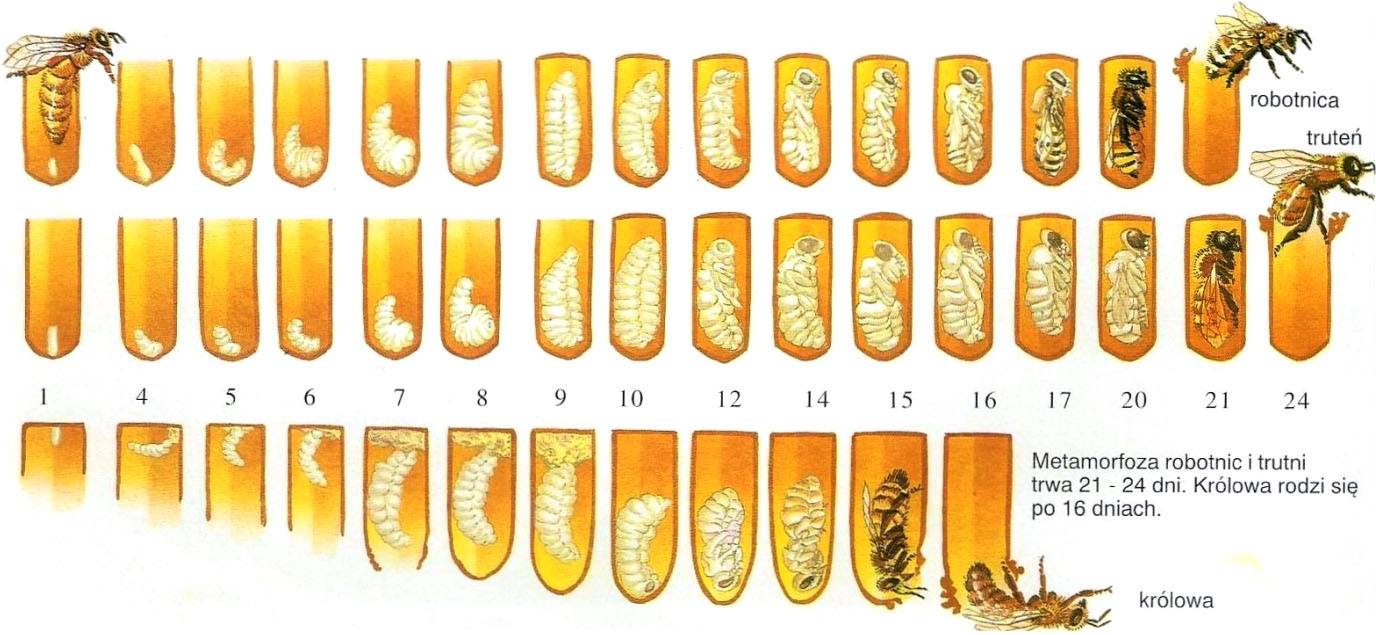
source: Hermanówka, The Life of Bees https://hermanowka.pl/zycie-pszczol/
2. Lifespan of different types of bees
2.1 Workers
Workers are the most numerous group in the hive and perform key functions for the colony's functioning. They usually live from 6 to 8 weeks. Their work is extremely diverse and includes many essential tasks.
Caring for larvae - worker bees are responsible for feeding and nurturing the larvae. They provide them with the appropriate food, which is essential for their proper development.
Collecting nectar and pollen - workers set out in search of food, which is essential for honey production and meeting the colony's energy needs.
Building combs - workers produce wax and build combs in the hive, which are used to store honey and eggs.
Hive defence - one of the key tasks of worker bees is defending the hive against intruders. They are tasked with protecting the colony from predators and competing bees.
The intensive work of workers leads to rapid wear and tear of their bodies, which affects their shorter lifespan. They work almost constantly, which involves great effort and stressful conditions.
During the first 1-3 days - worker bees spend this time in the hive as young bees. During this period, they deal with maintaining cleanliness and nurturing the larvae and queens.
- From 4-5 days to 2 weeks - during this period, worker bees perform functions in the "inner zone" of the hive, such as building combs, processing nectar and pollen, and caring for young larvae.
- From 2-4 weeks - worker bees begin to work outside the hive. They collect nectar, pollen, and water, which is crucial for providing food for the colony.
- From 4 to 6 weeks - intensive field work and demanding weather conditions contribute to significant wear and tear on the worker bee's body. Its life is coming to an end, and bees in this period may be more susceptible to exhaustion and disease.
- After 6 weeks - worker bees that have worked intensively usually end their lives. They are then less effective in their tasks, and their bodies are significantly weakened.
The lifespan of a worker bee depends on many factors, including work intensity, environmental conditions, and the health of the colony. Typically, workers live from 6 to 8 weeks, although in favourable conditions, they may live slightly longer.
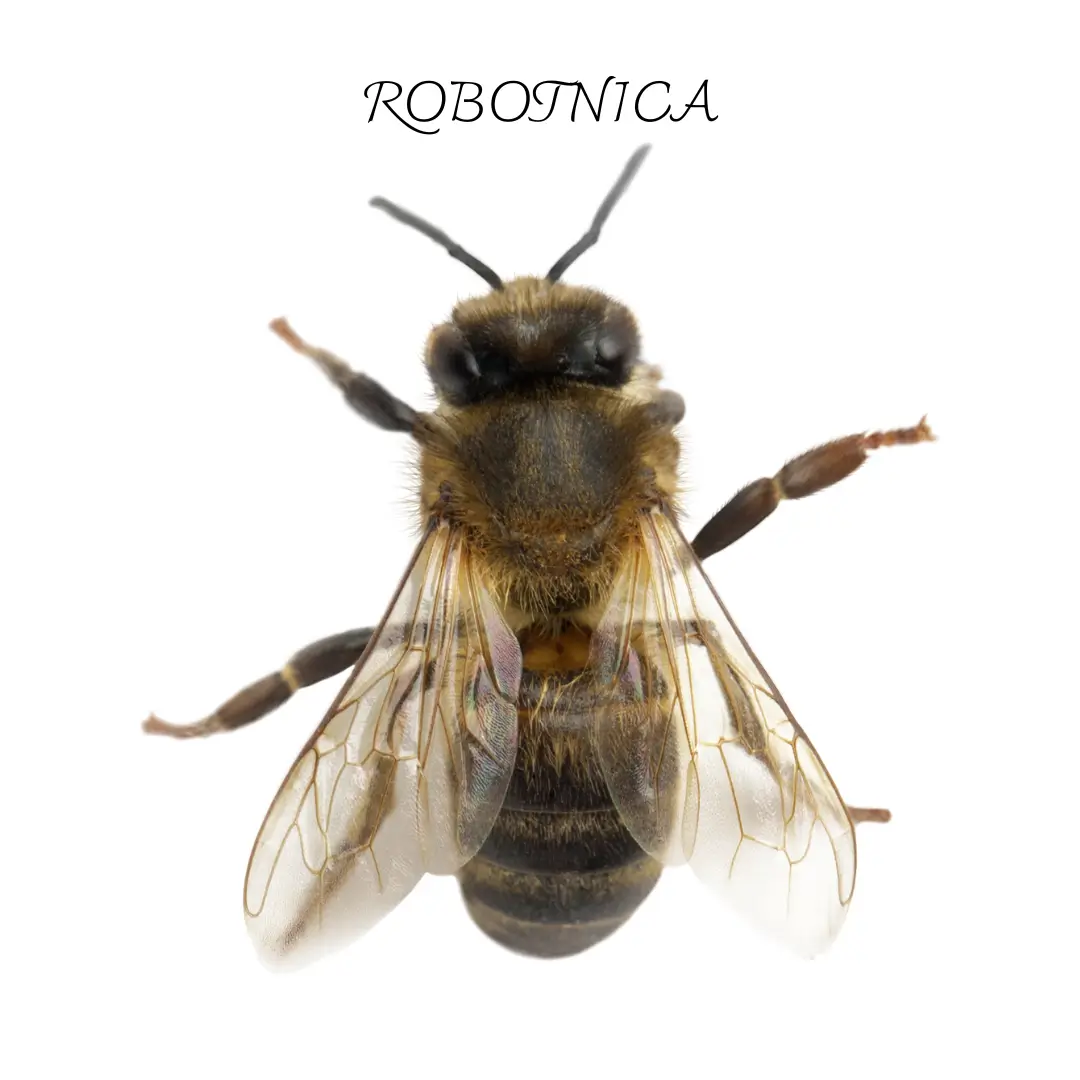
2.2 Drones
Drones are male bees and live from 8 to 12 weeks. Their main task is to fertilise the queen during nuptial flights. Drones play a key role in reproduction, but their functions are limited to the mating season.
Fertilising the queen - during the mating season, drones participate in flights where their main task is to ensure the fertilisation of the queen. This is the only time they are actively involved in the life of the colony.
Final fate of drones - after the mating season is over, drones are often kicked out of the hive. Since they do not perform other functions in the colony and do not contribute to its daily operation, they are removed, which can lead to their death.
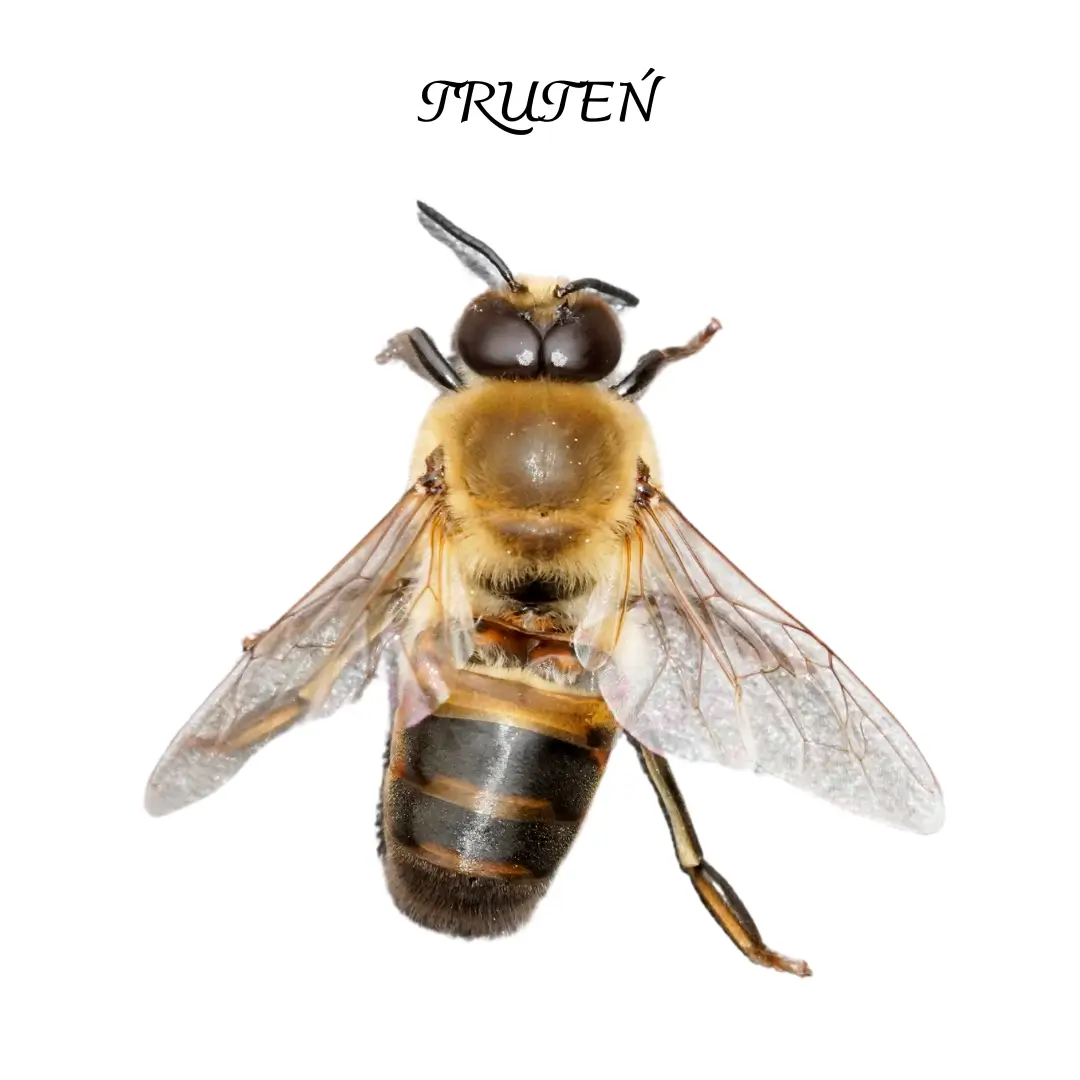
2.3 Queen
The queen is the only fertile female in the hive and lives for 2 to 5 years. Her life is significantly longer than that of the other bees, which is a result of her different roles and lack of heavy physical work.
Laying eggs - the queen is responsible for laying eggs, from which new bees develop. This is her main task, which ensures the continuity of the colony's life.
Protection and care - the queen does not participate in the daily work in the hive. She is carefully tended by worker bees, who provide her with food and keep her in good health.
The queen's role is crucial for the long-term functioning of the colony, and her longevity allows for stability in the hive to be maintained over a longer period. The queen is treated with the utmost respect because her health and fertility directly affect the future of the entire colony.
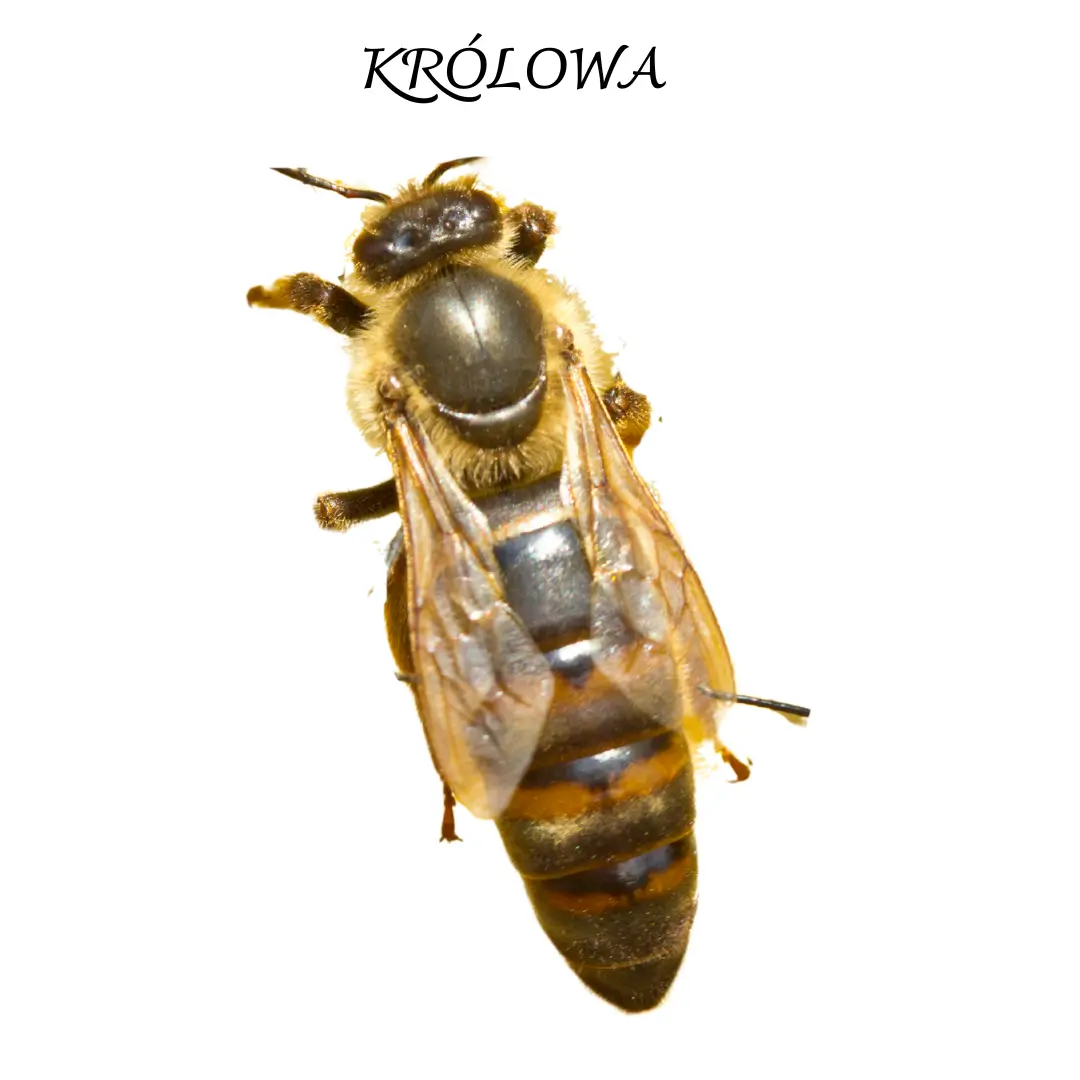
3. Impact of environmental conditions on a bee's life
The lifespan of bees is strictly dependent on environmental conditions, which can significantly affect the lifespan and health of these extremely important insects. Bees, being a key element of the ecosystem, play an essential role in pollinating plants and producing honey; therefore, understanding the impact of the environment on their lives is necessary for their protection and effective beekeeping.
Food availability is one of the most important factors affecting the life of bees. Bees need constant access to nectar and pollen, which are sources of energy and protein. Food shortages can lead to the weakening of the colony, reduced honey production efficiency, and even the death of bees. In periods when food sources are limited, beekeepers can support their bee families by providing sugar syrups or pollen.
Weather conditions have a huge impact on bees. Extreme temperatures, rain, or strong winds can make it difficult for bees to collect food and affect their health. Prolonged cold can lead to increased consumption of food stores in the hive, which can affect the condition of the bees in the coming months. In the winter period, proper preparation of the hive for colder conditions is crucial for the colony's survival.
Presence of diseases and parasites is a serious threat to bee health. Diseases such as varroosis or nosemosis, as well as parasites like Varroa mites, can significantly affect the health of the colony. Regular monitoring and use of appropriate protective measures, such as treatment against parasites or controlling hygienic conditions in the hive, are crucial for maintaining bee health.
Work intensity of bees, especially workers, also affects their lifespan. Bees that are exposed to excessive workload can exhaust themselves more quickly.
Bees are an integral part of our ecosystem, and their health is not only key to honey production but also to maintaining ecological balance. Understanding the impact of environmental conditions on bee life allows for better protection of these valuable insects and ensures optimal conditions for their longevity and efficiency in pollinating plants. Beekeepers, through proper management of hive conditions and monitoring environmental impacts, can significantly contribute to the health and productivity of their bee colonies.
4. Summary
Bees play a key role in the ecosystem, and understanding their life cycle and the lifespan of different types of bees is important for appreciating their work and protection. Bees go through four life stages: egg, larva, pupa, and adult bee. The lifespan of individual types of bees varies significantly. Workers, who perform the heaviest work in the colony, usually live from 6 to 8 weeks. Drones, who act as fertilisers, live from 8 to 12 weeks, and the queen, responsible for laying eggs, can live from 2 to 5 years. Environmental conditions, such as food availability, weather conditions, and the presence of diseases and parasites, have a significant impact on the lifespan and health of bees. Understanding these factors helps in better protection and management of bee colonies, which is crucial for maintaining healthy colonies and ecosystem stability.