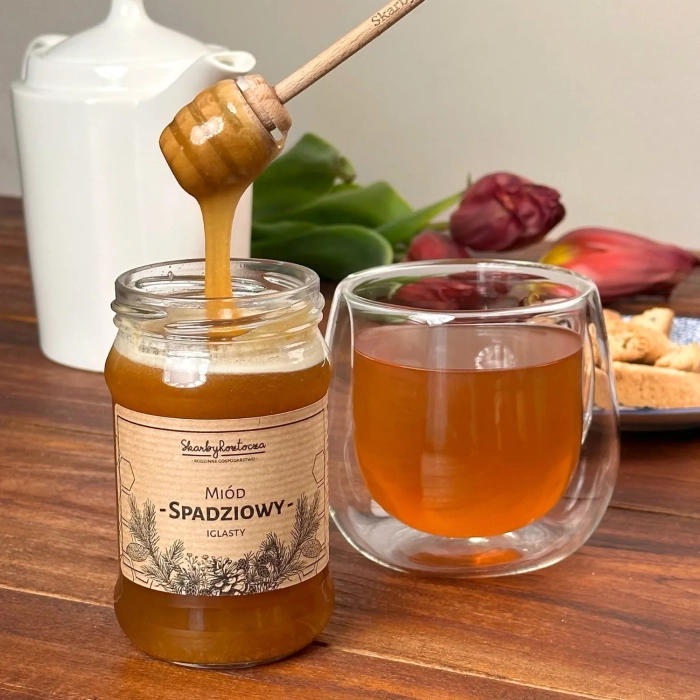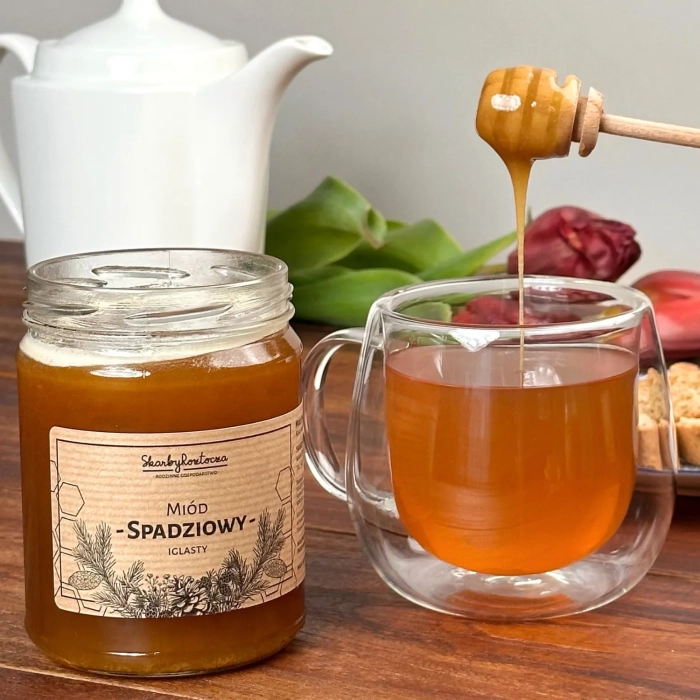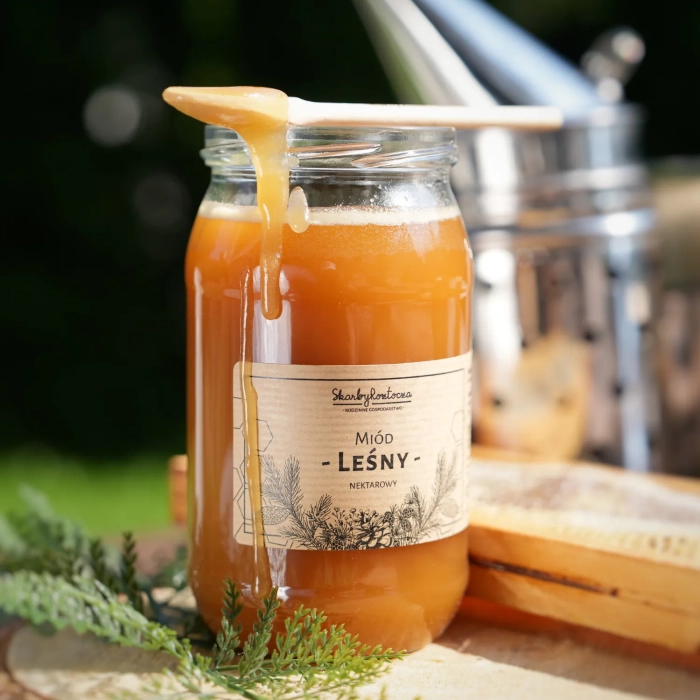

The word HONEY in different languages – the most popular translations
Honey is one of the oldest and most universal food products in the world. For millennia, it has been valued not only for its sweet taste but also for its extraordinary health properties. Even the ancient Egyptians used it in medicine and religious rituals, the Greeks appreciated its energising effect, and in traditional Chinese medicine, honey was treated as a natural body-strengthening agent. Honey not only enriches dishes and drinks but also works well in cosmetics and home skin care methods. Its versatility makes it hard to imagine a kitchen without this sweet treasure of nature.
But have you ever wondered how the word honey sounds in other languages? Different cultures not only call it by different names but often have their own unique ways of using this extraordinary product. In the blog below, we present some of the most popular translations.
Table of contents:
1. Honey – nature's sweet treasure
5. Interesting fact – honey in other languages

1. Honey – nature's sweet treasure
Honey – is a word that in the Polish language immediately brings to mind sweetness, nature, and health. It evokes images of blooming meadows, hardworking bees, and home remedies. But honey is not just a food product – it is a true treasure of nature that has accompanied humans for thousands of years in daily life, culture, and beliefs.
As early as ancient Egypt, honey was considered an almost magical substance. It was valued not only for its taste but above all for its medicinal and preservative properties. It was used in medicine to treat wounds and infections, in cosmetics for skin care, and even during mummification, in the belief that it helped preserve the body for eternity. Honey was also offered to the gods, which emphasised its exceptional value.
The ancient Greeks and Romans called honey the „food of the gods” and attributed to it the ability to strengthen the body and prolong life. It was the basis for many dishes, drinks, and medicines, as well as a symbol of abundance and prosperity. It was believed that regular consumption of honey ensured strength, health, and longevity.
In medieval Poland, honey also played an extremely important role. Mead was a symbol of wealth, joy, and hospitality, often appearing at royal and noble feasts. Beekeeping was highly respected, and honey – as one of the few natural sweeteners available in Europe – was a valuable and desirable product. It accompanied people in both daily meals and during holidays or important celebrations.
To this day, honey remains a symbol of harmony with nature and proof that simple gifts of nature can have enormous value – not only in terms of taste but also culturally and historically.

2. Honey – in English
The English word honey is more than just the name of a sweet treat. In Anglo-Saxon culture, it has become a symbol of tenderness, love, and closeness. Already in literature and poetry, honey appears as a term for a loved one, highlighting the sweetness and delicacy of feelings.
In the daily language of the British or Americans, honey is a common term of endearment – we can hear it in expressions such as:
-
“My honey” – meaning „my sweetness” or „darling”,
-
“Sweet as honey” – used to describe both people and experiences.
The word has also permeated pop culture – in songs, films, and series, honey is synonymous with something pleasant, soothing, and valuable. Interestingly, the British and Americans also use it in completely everyday situations, e.g., in a shop or when talking to family, to express warmth and sympathy.
In this way, honey combines two things: a natural, sweet product – honey – and a universal emotional meaning, showing how food can permeate culture and language.
3. Honig – in German
In Germany, honey is called Honig, and its history and significance in the culture of this country are truly fascinating. Beekeeping in Germany has hundreds of years of tradition – as early as the Middle Ages, monasteries and farms were involved in bee keeping, and honey was treated as a valuable currency and a remedy for various ailments.
Honig has been used in German cuisine for centuries – from sweetening baked goods to being an addition to meats, sauces, and traditional festive dishes.
In Germany, particular popularity is enjoyed by regional honeys, e.g.: Lime Honey, Heather Honey, and Honeydew Honey
Outside the kitchen, Honig has also long been used in natural medicine and cosmetics. Germans appreciate its antibacterial, soothing, and nourishing properties – in traditional recipes, honey is used for wounds, colds, and also as an ingredient in face masks and skin creams.
An interesting fact is also the German saying „Honig ums Maul schmieren”, which literally means „to smear someone's mouth with honey” – figuratively, it is said of someone who tries to flatter someone or gain favour. This shows how deeply honey is woven into the daily life and culture of Germans – both in the kitchen and in the language.
Honig is therefore not only a natural sweetener but a symbol of tradition, health, and the German passion for bees.
4. Mel – in French and Italian
In French and Italian, honey is called miel and mielerespectively, and its significance goes far beyond simple sweetness. In both cultures, honey is a symbol of nature, harmony, and richness of flavours, as well as an important element of culinary tradition.
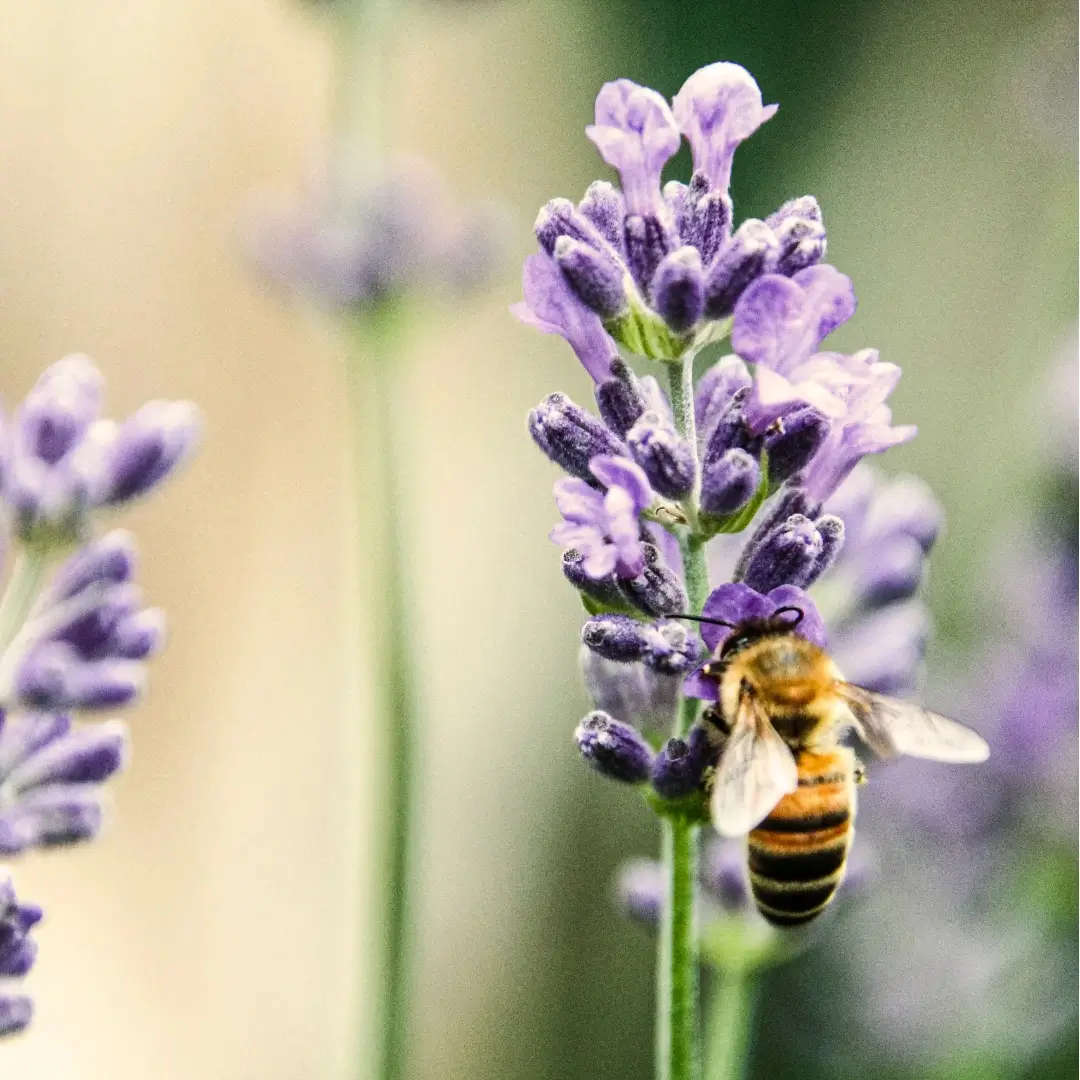
In France, honey has been used for centuries in desserts, baked goods, and liqueurs. Traditional French cakes and biscuits, such as turron or galettes, often contain various types of honey, which give them a unique aroma. The French value regional varieties of honey – from lavender honey from Provence to honeydew honey from mountain areas – each variety has its own unique character and history.
In Italy, miele is an inseparable ingredient of traditional baked goods, desserts, and festive dishes. Italian honey biscuits, panforte, or medovnik (honey cake) are examples of how honey is used to highlight the flavour and natural sweetness of dishes. In many regions of Italy, honey is also considered a medicine and an addition to warming drinks, especially in winter.
An interesting fact is also the linguistic metaphor – in both countries, honey often symbolises something valuable, sweet, and pleasant. The French might say „doux comme le miel” („sweet as honey”), and the Italians use the expression „dolce come il miele”, which similarly describes people, situations, or treats.
Honey in French and Italian culture thus combines the pleasure of taste with history, nature, and local tradition, showing that this sweet gift from bees has a universal meaning all over the world.
5. Interesting fact - honey in other languages
Honey is a universal product – almost every culture has its own term for this sweet treat.
Below we present how diverse the word honey sounds in other languages of the world:

- عسل (‘asal) - Arabic
In ancient Egypt, honey was a real treasure – it was used not only in the kitchen but also in medicine and religious rituals. It was valued for its medicinal properties and also used in embalming bodies and as an offering to the gods. Egyptians considered it a symbol of sweetness and life, and in today's Egypt, honey is called عسل (‘asal). This is proof that this natural sweetener has been connecting people all over the world for millennia.
-
Miel – Spanish
In Spain, honey, or miel, has been used in cooking and medicine for centuries. Spaniards love various varieties, e.g., orange blossom or thyme honey, which give a characteristic aroma to traditional desserts and baked goods. Honey is also an integral part of Spanish holidays and regional festivals. - μέλι (meli) - Greek
In ancient Greece, honey, or meli, occupied a unique place in daily life and culture. It was considered a gift from the gods, and its origin was linked to divine nature and the harmony of the world. Honey was a basic component of the diet – it was consumed on its own, added to dishes, and diluted with water to create a drink called hydromeli, considered a source of strength and longevity. Greeks also used honey in natural medicine. It was used to treat wounds, throat diseases, and digestive problems, in the belief that it strengthens the body and mind. It was not without reason called the „food of the gods” – according to mythology, honey was supposed to ensure immortality, and the gods of Olympus fed on it along with ambrosia. The word meli also permeated the language and culture. From it are derived terms associated with something pleasant, gentle, and „sweet”, which shows how deeply honey took root in the Greek perception of the world. -
蜜 (Mì) – Chinese
In China, honey is called 蜜 (Mì) and has long been valued as a natural medicine and culinary ingredient. Traditional Chinese medicine uses honey to soothe coughs, support digestion, or strengthen immunity. Chinese honey is also an ingredient in famous desserts and herbal drinks. -
ꦩꦶꦢ꧀ (Mad) – Javanese
In Indonesia, specifically on Java, honey is referred to as Mad. It is used not only in the kitchen but also in traditional rituals and ceremonies. Javanese honey often has symbolic power – it is identified with prosperity and the sweetness of life. -
Med – Slavic languages
In many Slavic languages, e.g., Czech, Slovak, Serbian, or Russian, honey is med. In the cultures of these countries, honey has for centuries been the basis of traditional drinks, such as mead, and was also used for baking bread and festive cakes. In many regions, beekeeping festivals are still organised, where med is celebrated as a gift of nature.
This variety of names shows that honey is more than a food product – it is a universal symbol of sweetness, health, and the richness of nature. Regardless of whether we say „miel”, „Mì”, „Mad”, or „med”, it means the same everywhere: a small, golden miracle of nature that has delighted people all over the world for centuries.
6. Summary
Honey is a true gift of nature that has delighted people all over the world for centuries. Regardless of whether we say honey, honey, honig, miel, miele, or med, it is always associated with sweetness, warmth, and a natural richness of flavours. From the ancient Egyptians, through medieval beekeepers, to the modern kitchens of Europe and Asia – honey is a symbol of health, joy, and a touch of magic. Every jar contains a history, a culture, and the sweetness of nature, connecting people in every corner of the world.
Source/Bibliography:
- The word honey in different languages https://baltoslav.eu/mapy/index.php?x=miod&mova=pl
- A. Szweykowska, J. Szweykowski (eds.), Słownik botaniczny, Wiedza Powszechna, Warsaw 2003
- W. Kowalenko, G. Labuda, T. Lehr-Spławiński (eds.), Słownik starożytności słowiańskich, vol. 1, Zakład Narodowy im. Ossolińskich, Wrocław-Warsaw-Kraków 1961
- R. Hajar, History of medicine, Heart Views 2002