
Traditional Easter baking with honey
Easter is not only a time for reflection and family gatherings, but also a feast for the palate. In Polish tradition, festive tables are laden with delicacies, and among them, sweet bakes – mazurkas and babkas – reign supreme. Although every home has its own tried-and-tested recipes, there is one ingredient that connects many of them and adds a unique character to them – honey. This natural sweetener not only enhances the flavour of cakes, but also harks back to old, Old Polish traditions.
In this post, we want to take you on a culinary journey through Easter classics with honey in the leading role – it will be fragrant, sweet, and very festive!
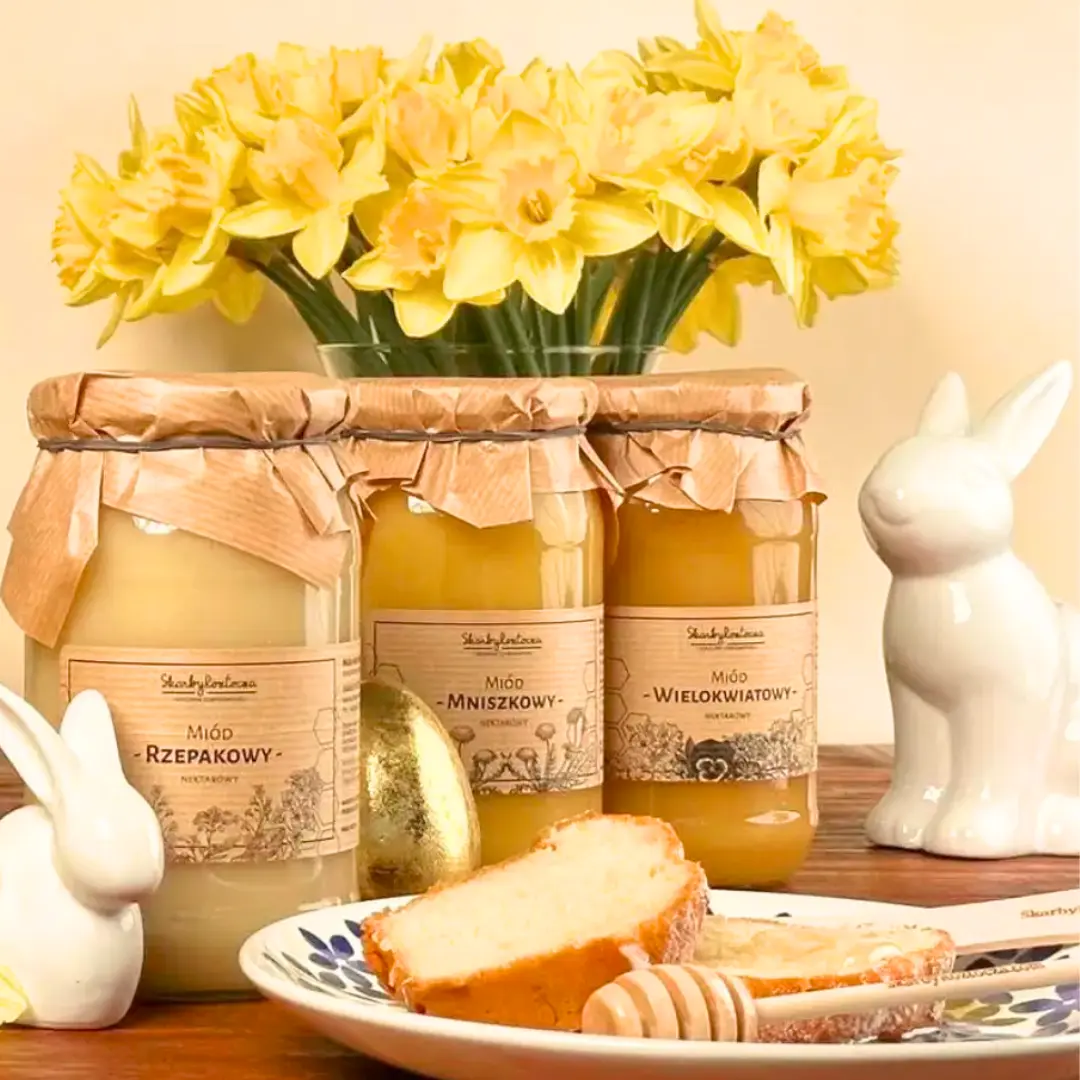
Table of contents:
1. Why is it worth using honey in baking?
2. Which honeys do we recommend for Easter cakes?
3. Honey babka – fluffy and aromatic
4. Mazurka with honey – a festive table classic
5. Other honey sweets for Easter
1. Why is it worth using honey in baking?
Honey is one of the oldest natural sweeteners, which works brilliantly in the kitchen, especially in baking. Compared to traditional sugar, honey offers something much more than just sweetness. Above all, it brings a depth of flavour to bakes – depending on its type, one can detect delicate notes of flowers, herbs, forest fruits, or even caramel. This makes cakes, biscuits, or breads with the addition of honey take on a unique aroma and character.
One of the greatest advantages of honey in baking is its ability to retain moisture. Thanks to this, the cake remains soft and fresh for a longer time. This is particularly important in the case of homemade bread or muffins, which often dry out quickly. Honey also acts as a natural preservative – it possesses antibacterial properties that can extend the shelf life of bakes without the need for adding artificial additives.
During baking, honey caramelises beautifully, giving bakes an appetising, golden colour and a subtle crunch on the surface. Because of this, not only the taste but also the appearance of the cake is more attractive. It is also worth mentioning that honey, although calorific, contains certain amounts of vitamins, enzymes, and trace elements such as iron, potassium, or magnesium – something which is completely absent in white sugar.
When swapping sugar for honey, it is worth remembering that honey is sweeter, so you can add less of it, and also that it affects the consistency of the batter – it is then worth slightly reducing the amount of other liquids in the recipe.
2. Which honeys do we recommend for baking?
For Easter bakes, it is best to choose honeys with a mild, delicate flavour and a pleasant aroma that will not dominate other ingredients but rather highlight their natural sweetness and introduce a spring note.
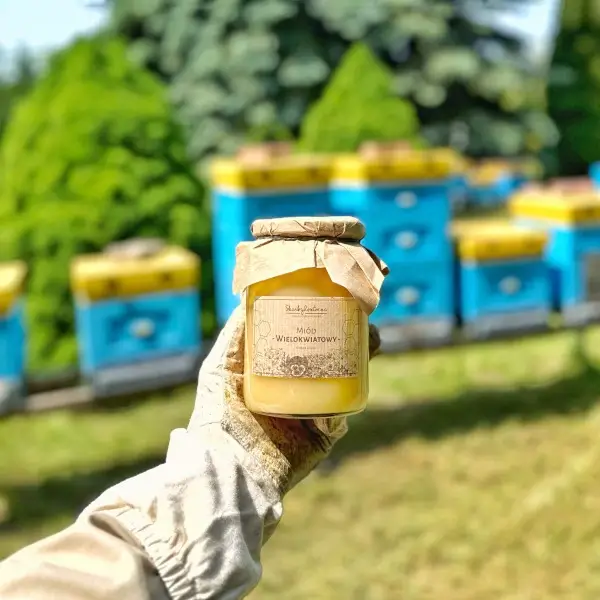
1.Multiflower Honey - the most versatile and most frequently recommended for cakes. It has a delicate, floral aroma and a mild sweetness. Ideal for babkas, mazurkas, and honey cheesecakes.
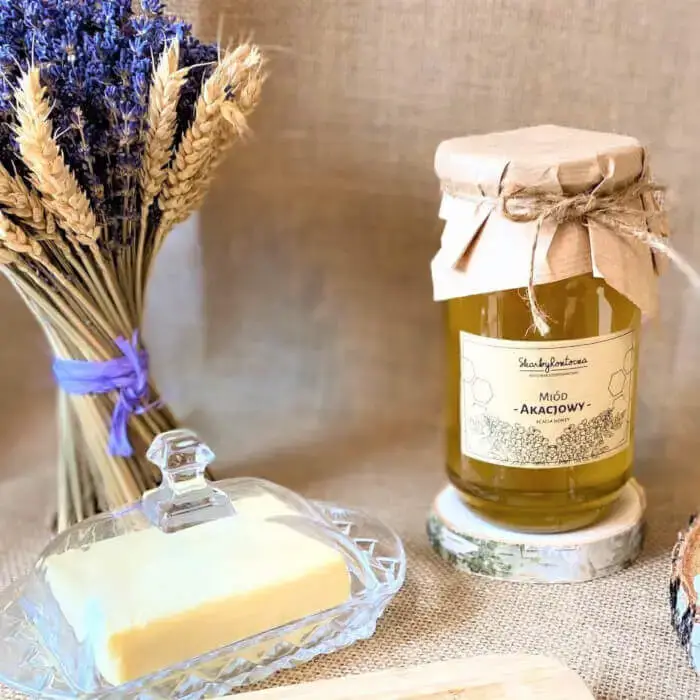
2.Acacia Honey - very light and mild in flavour – it does not overwhelm bakes, and at the same time moisturises them brilliantly. Excellent for light cakes and desserts with fruit or lemon.
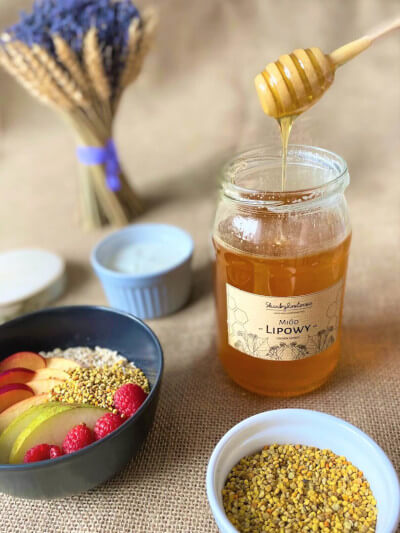
3.Lime Honey - has a subtle, slightly herbal aroma that pairs perfectly with warming spices (e.g. in babkas with cinnamon or cloves). It works well in cakes with nuts.
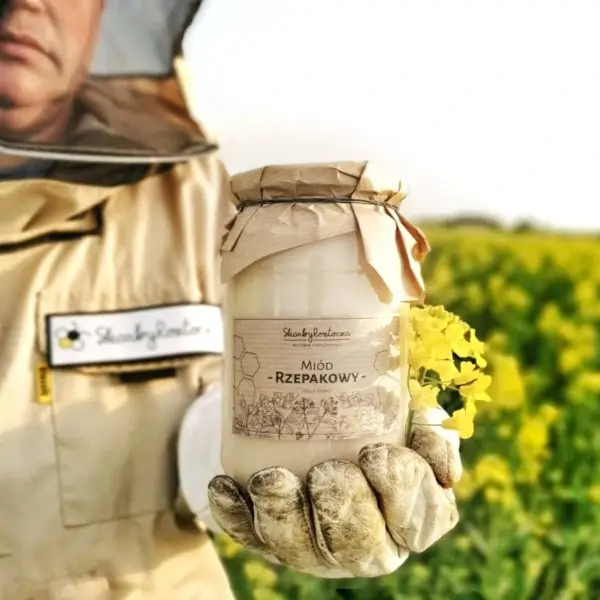
4.Rapeseed Honey - light, mild, and very creamy – it crystallises quickly but dissolves easily. Great for light cakes, babkas, and sponges. It does not dominate the flavour and combines well with vanilla.
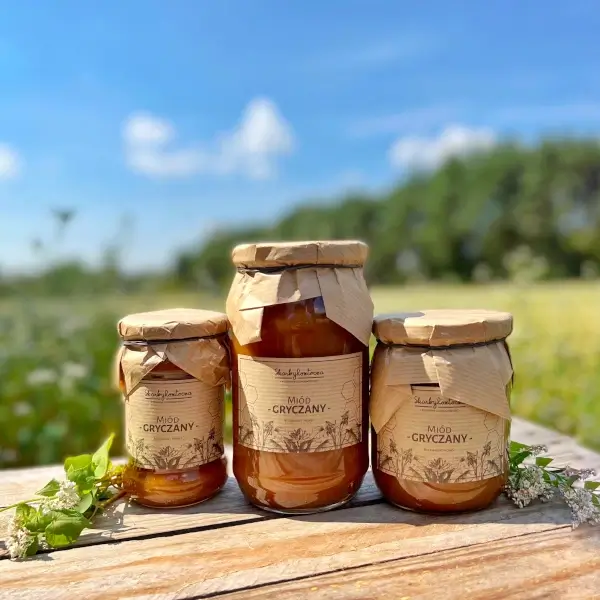
5.Buckwheat Honey (for the bold!) - has a very distinct, intense flavour and a dark colour. If you want the cake to have a stronger, caramel-herbal aroma – this is an interesting option for experiments, e.g. in mazurkas with chocolate or nuts.
3. Honey babka - fluffy and aromatic
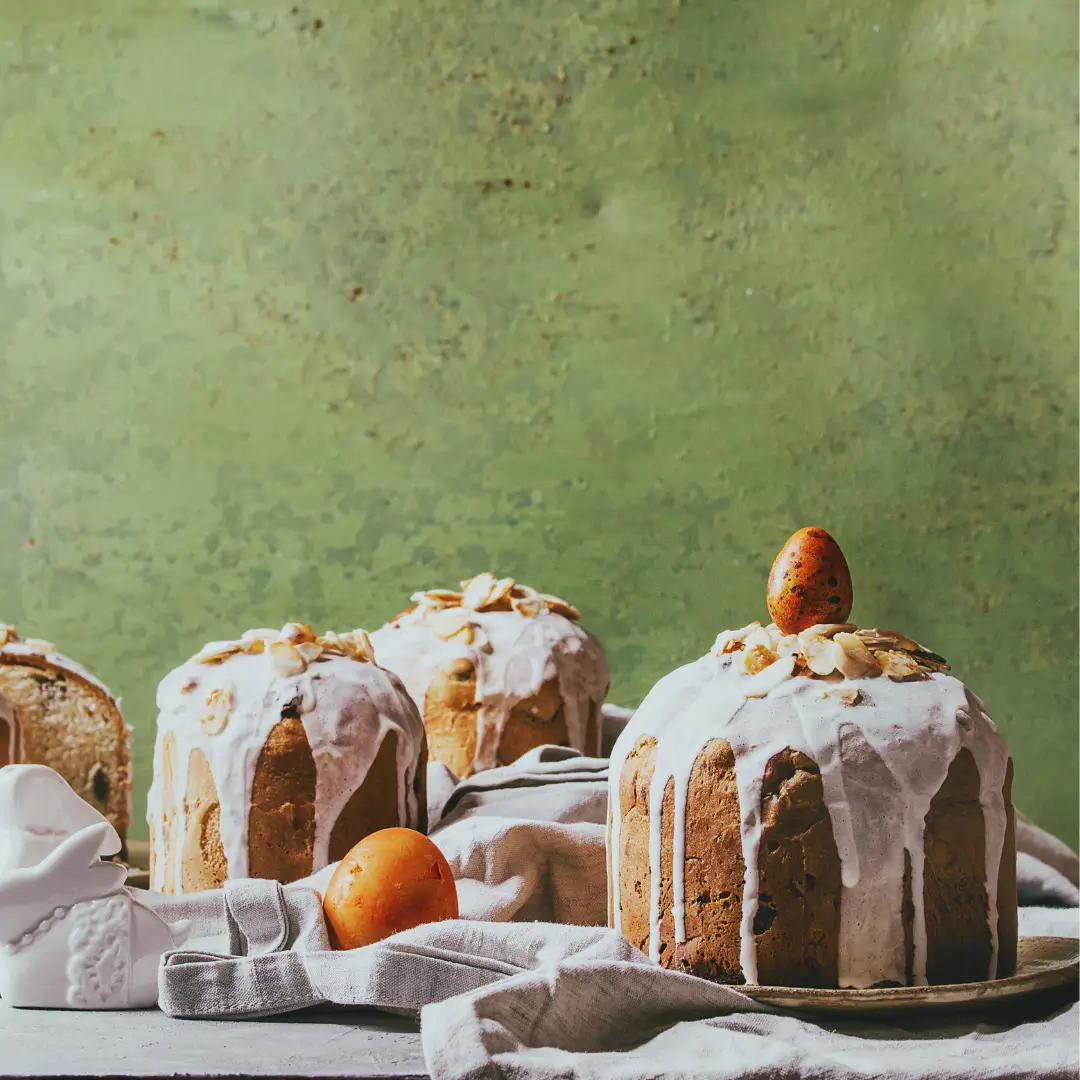
Honey babka is a simple yet exceptional bake – moist, fluffy, and delicately scented with honey. Thanks to the whisked egg whites, it is light as a cloud, and the natural sweetness of honey makes it taste like home-cooked warmth. Ideal for Easter, but also for any occasion when you need a bit of sweetness from the heart.
Ingredients:
- 250 g plain flour
- 2/3 tsp bicarbonate of soda
- 100 g sugar
- 125 g honey
- 155 g butter (melted)
- 3 eggs (whites and yolks separated)
- 180 g natural yoghurt
- pinch of salt
Method of preparation:
- In one bowl, combine the flour, baking powder, and sugar.
- In a second bowl, melt the butter, cool slightly, and then mix it with the honey, egg yolks, and yoghurt – until a uniform mass is formed.
- Whisk the egg whites into a stiff foam with a pinch of salt.
- Add the dry ingredients to the wet ones and mix briefly.
- Next, gently fold in the whisked egg whites – preferably with a spatula to maintain fluffiness.
- Pour the batter into a greased and floured/breadcrumb-dusted babka tin.
- Bake at 180°C (top/bottom heat) for about 40 minutes – until a skewer comes out dry.
Decoration – honey icing with nuts
After the babka has cooled, you can decorate it with a delicious, aromatic honey icing. This is the perfect finish that will highlight the flavour and add charm to the babka.
Honey icing:
- 2 tbsp honey
- 80 g icing sugar
- 1 tbsp lemon juice
- 4 tbsp chopped nuts (e.g. walnuts or hazelnuts)
In a small bowl, mix the honey thoroughly with the icing sugar and lemon juice until you achieve a smooth, slightly runny consistency. Pour the icing over the cooled babka and sprinkle with nuts.
4. Mazurka with honey – a festive table classic
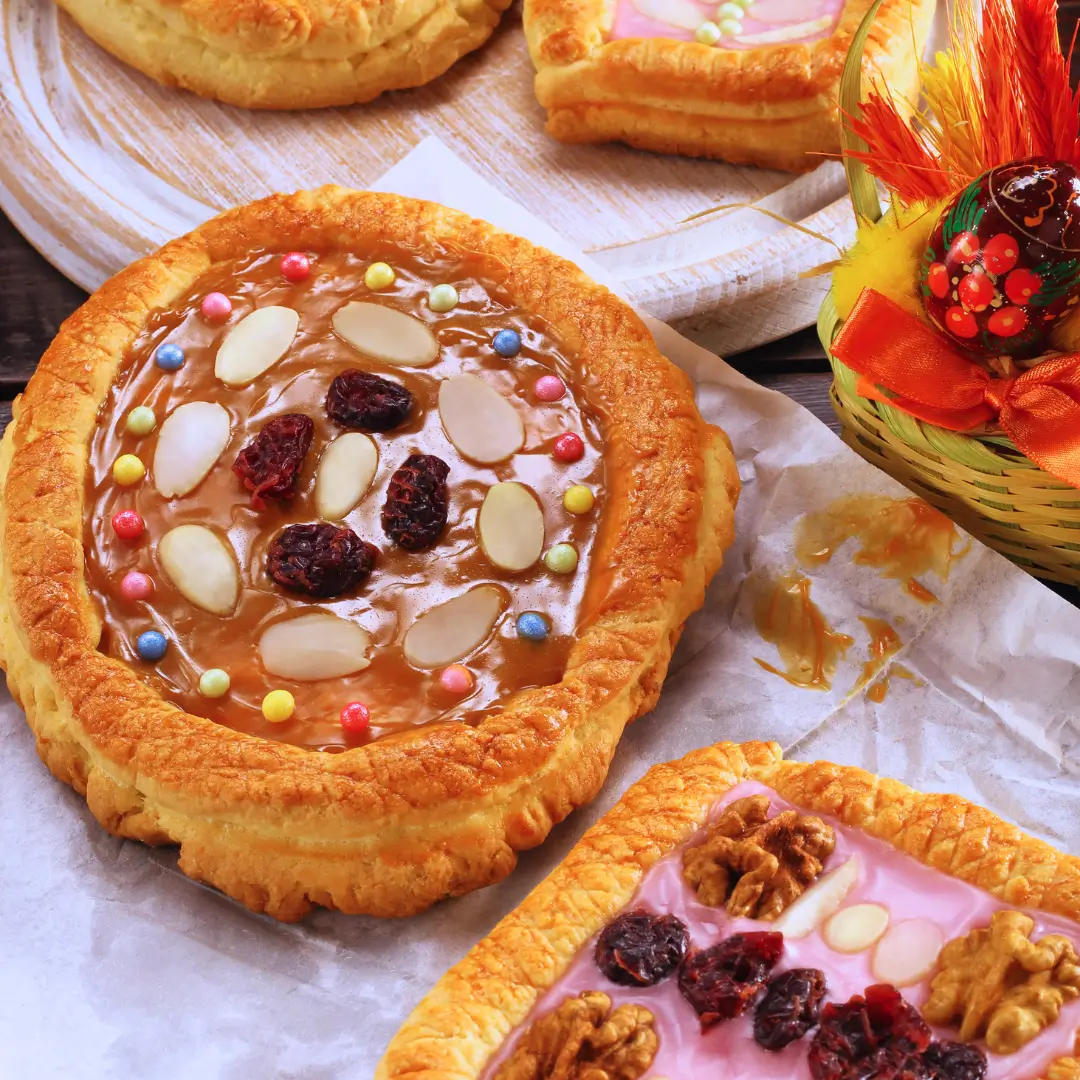
This cake is a honey variation of the classic layered bake – moist, soft layers, aromatic custard-butter cream with dried fruit, and a sweet layer of kajmak caramel on top. Ideal for Easter, the holidays, and all moments when you fancy something special. Natural honey, vanilla, and plum preserve give it a warm, homey character – and a taste that is hard to forget.
Pastry:
- 560g plain flour
- 85 g honey
- 2 eggs (yolks and whites separated)
- 1.5 tsp bicarbonate of soda
- 250 g butter
- pinch of salt
Pastry preparation:
- Melt the butter and cool slightly.
- Whisk the egg yolks with the honey and butter into a smooth mass.
- In a separate bowl, whisk the egg whites with a pinch of salt into a stiff foam.
- In a large bowl, combine the flour with the bicarbonate of soda.
- Add the egg yolk, honey, and butter mass to the flour - mix. Finally, gently fold in the whisked egg whites – preferably with a spatula.
- Knead into a flexible dough – if necessary, add a little more flour.
- Divide the dough into 3–4 parts, roll out each sheet, and bake at 180°C for approx. 8–10 minutes – until lightly golden. Cool.
Custard cream:
- 1250ml milk
- 2 packets of vanilla custard powder (unsweetened)
- 250 g butter
- 170g honey
- 1 tsp natural vanilla extract or a vanilla pod
- 95 g dried cranberries, dates (chopped) or raisins
Cream preparation:
- Set aside 1 cup of milk and mix the custard powder in it. Boil the rest with the vanilla pod.
- Pour the prepared custard mix into the boiling milk and cook until it thickens. Set aside to cool completely.
- Cream the butter until fluffy, then gradually add the cooled custard and honey.
- Finally, add your favourite dried fruits and mix gently.
Additions:
- Kajmak caramel mass- 1 tin
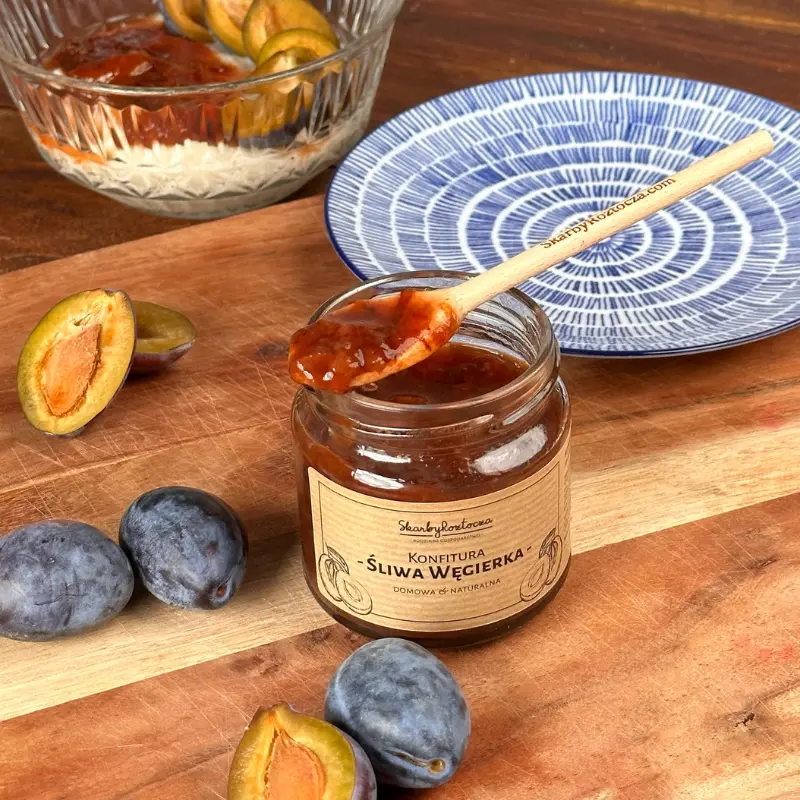
- plum preserve or another favourite preserve/jam
- desiccated coconut or nuts for decoration
Assembling the cake:
- Spread a thin layer of preserve onto the first pastry sheet.
- Cover with the second sheet and spread with cream.
- Repeat until all sheets and cream are used.
- Leave the cake overnight (preferably covered and lightly weighted) so the layers soften and everything blends together.
- Spread the top with kajmak caramel and sprinkle with desiccated coconut or nuts.
5. Other honey sweets for Easter
Honey is not just a tradition, but also a versatile ingredient that introduces warmth, aroma, and natural sweetness to bakes. It pairs perfectly with warming spices, dried fruit and nuts, and citrus, making it suitable for many Easter desserts – not just classic babkas. Muffins, cheesecakes, mazurkas, gingerbreads, or even light biscuits with a honey note are an excellent idea to diversify the festive table. They are simple to prepare and at the same time unique in flavour – ideal for the Easter basket, for family breakfast, or as a sweet gift.
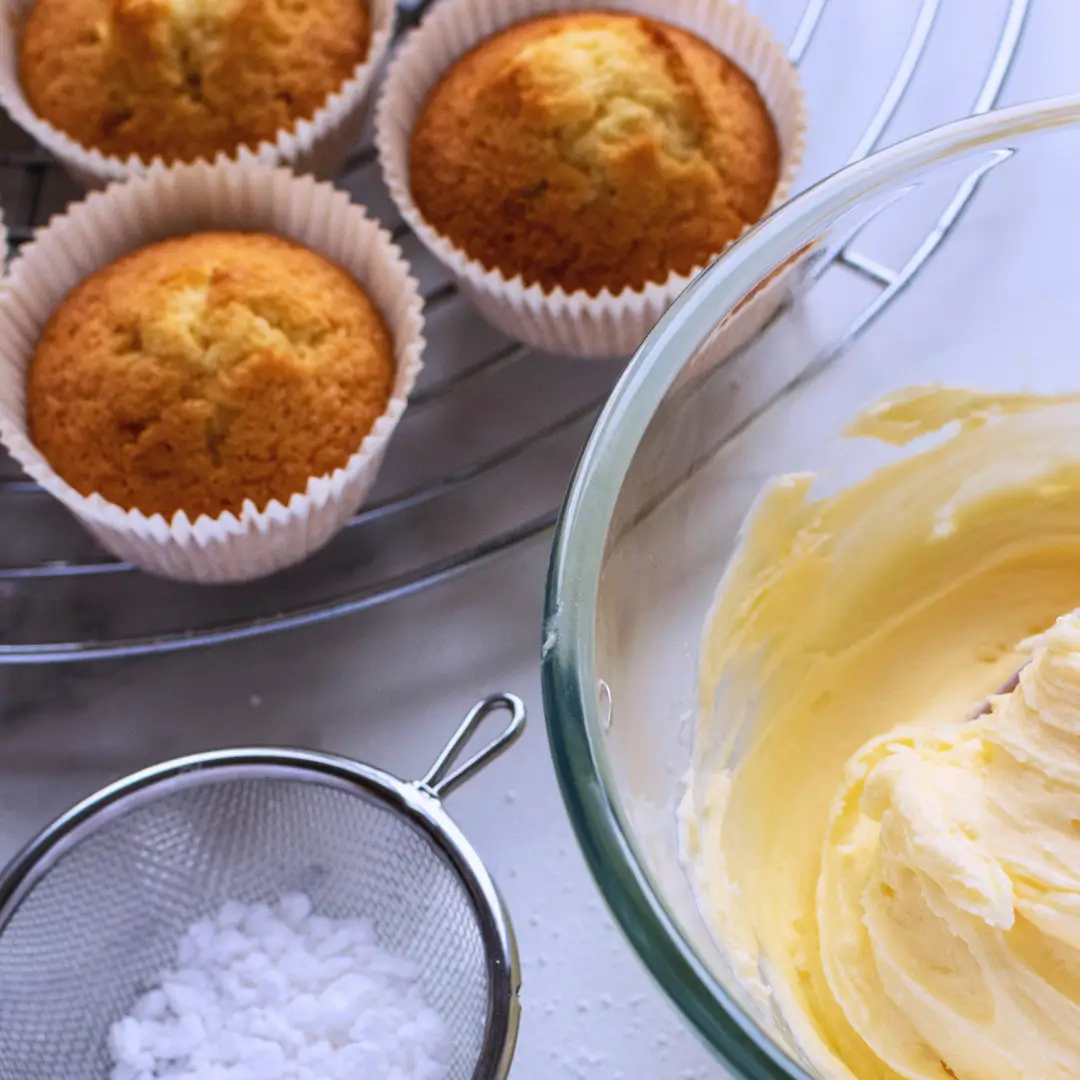
Honey muffins with light glaze and dried fruit and nuts
Ingredients (for approx. 12 pieces):
- 260 g plain flour
- 100g sugar
- 1 tbsp vanilla sugar
- 1 tsp bicarbonate of soda
- pinch of salt
- 50 g butter (melted)
- 1 cup milk
- 4 tbsp honey
- 2 eggs (yolks and whites separated)
Glaze:
- 2 tbsp natural skyr
- 1 tsp honey
Additionally:
- chopped nuts, almonds, cranberries, dates – for the inside or on top
Method of preparation:
- Melt the butter and cool slightly. Separate the yolks from the whites.
- Cream the yolks with the sugar and vanilla sugar into a light mass. Add the milk, melted butter, and honey – mix until combined.
- In a separate bowl, whisk the egg whites with a pinch of salt into a stiff foam.
- Add the flour and bicarbonate of soda to the egg yolk mass. Mix only until the ingredients are combined, then gently fold in the whisked egg whites with a spatula.
- You can now mix in a handful of chopped nuts, dried fruit, or almonds.
- Transfer the batter to a muffin tin lined with muffin cases – up to 3/4 height.
- Bake in an oven preheated to 180°C (top-bottom heat) for approx. 20 minutes – until golden and springy.
- In a small bowl, mix the skyr with the honey. Spread the glaze on top of the still-warm muffins.
- Sprinkle the top with dried fruit and nuts – almonds, walnuts, cranberries, or orange zest will work perfectly.
6. Summary
Honey is a unique ingredient that has been present in Polish kitchens for centuries – especially during the holidays. It works excellently in Easter bakes: giving them natural sweetness, depth of flavour, and a beautiful aroma. It also acts as a natural preservative – thanks to it, cakes retain their freshness and softness for longer. Babkas, mazurkas, or muffins with the addition of honey gain not only a better taste but also a more appetising appearance. For baking, delicate honeys are most often recommended: multiflower, acacia, or lime, although lovers of intense notes can reach for buckwheat honey.
In the prepared recipes, honey replaces sugar, and instead of artificial additives, natural aromas, dried fruit, and nuts appear. Such sweets are not only a tradition but also a healthier alternative to classic cakes. The bakes are moist, fragrant, full of dried fruit and nuts, and surprise with their flavour. Honey muffins, fluffy babka, or layered mazurka are suggestions that will delight guests and household members alike. It is worth experimenting with honey in the kitchen – not only for its taste but also for its nutritional values and the unique atmosphere it brings to the festive table.