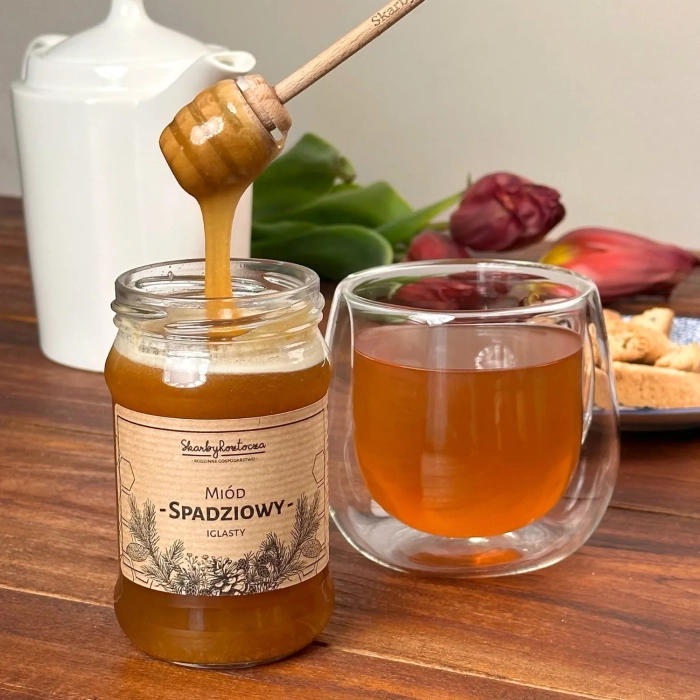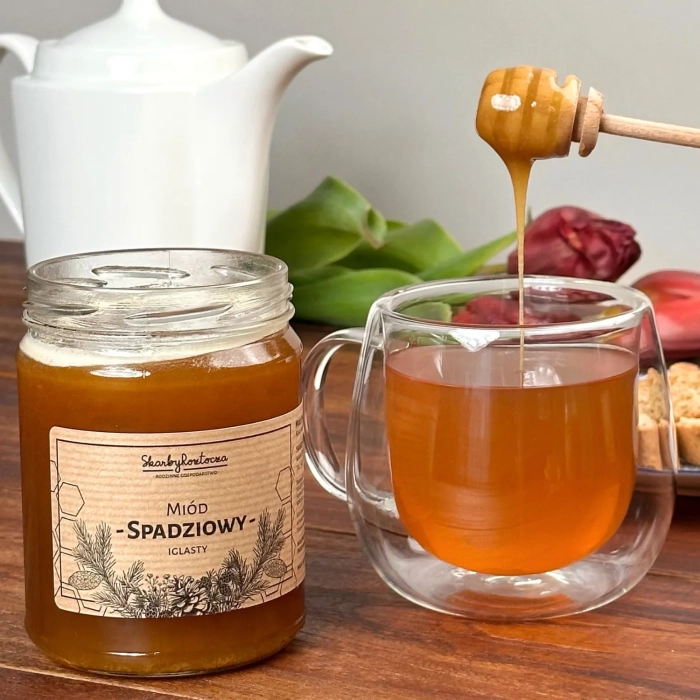

Types of sugars – cane, coconut, icing, vanilla. Consider honey instead of sugar!
Sugar has been a staple ingredient in many dishes and beverages for years. With growing consumer awareness, questions about its types and whether honey can replace sugar in the daily diet are appearing more frequently. White, cane, coconut, icing, or vanilla sugar – each has different properties. It is worth getting to know them to consciously choose products best suited to your needs.
Do you want to know how different types of sugar and alternative sweetening methods differ? We invite you to this short post!
Table of contents:
1. Sugar – an everyday ingredient worth getting to know better
2. White sugar – the most popular, but the least valuable
3. Cane sugar – is it really healthier?
4. Coconut sugar – natural origin, higher price
5. Icing and vanilla sugar – convenience over quality
6. Honey instead of sugar – a natural alternative
7. What to choose – sugar or honey?
1. Sugar – an everyday ingredient worth getting to know better
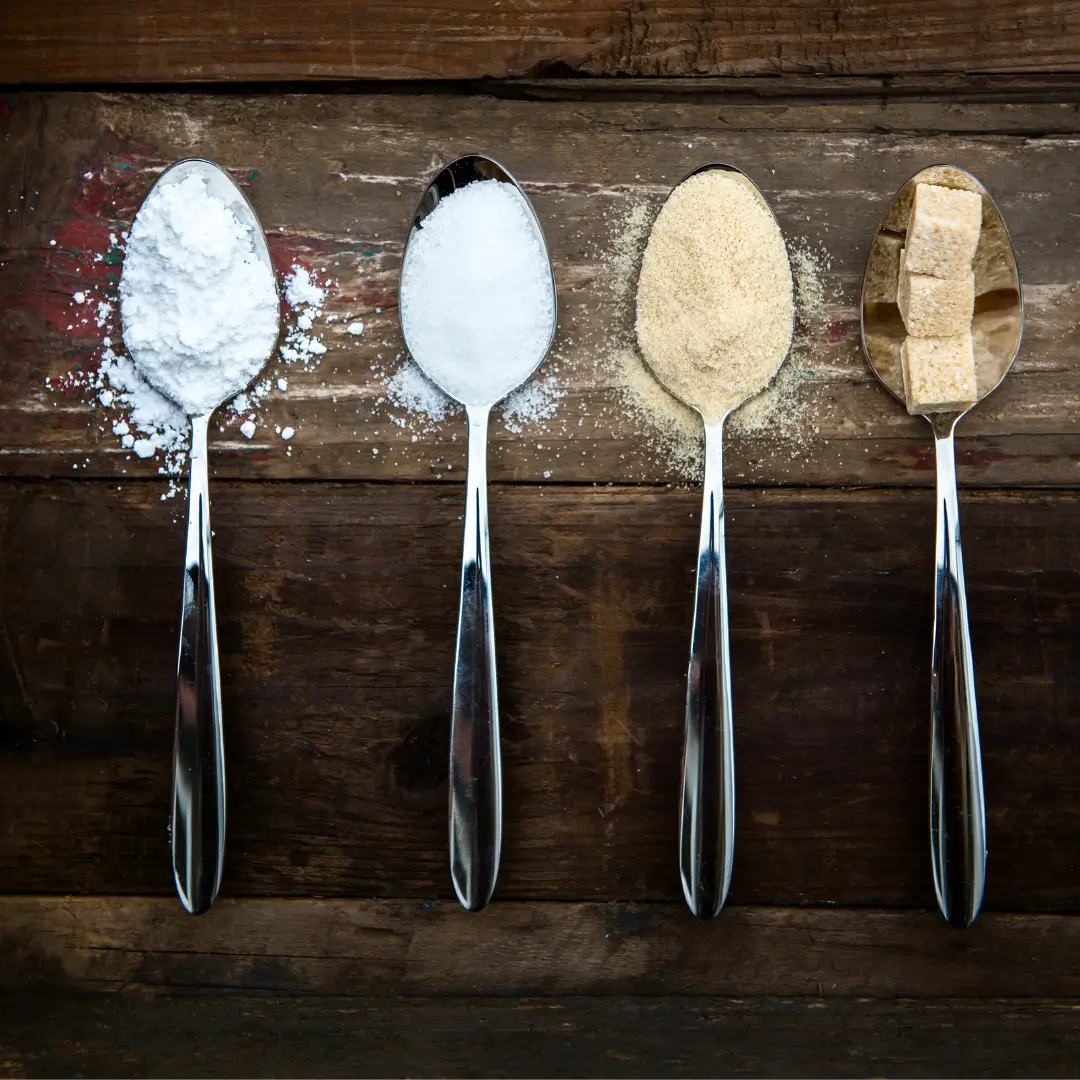
Sugar has accompanied us in our daily diet for years – we add it to coffee, tea, baked goods, and many ready-made food products. Although it is mainly associated with a sweet taste, its types, origin, and processing method can vary significantly. White, cane, coconut, or icing sugar are products with different properties and applications in the kitchen.
With increasing consumer awareness, we more often pay attention not only to the taste, but also to the composition and quality of the sweeteners used. Questions arise about which sugar to choose, how they differ, and whether there are natural alternatives that can diversify daily sweetening. It is worth looking closer to make more informed purchasing decisions.
2. White sugar – the most popular, but the least valuable
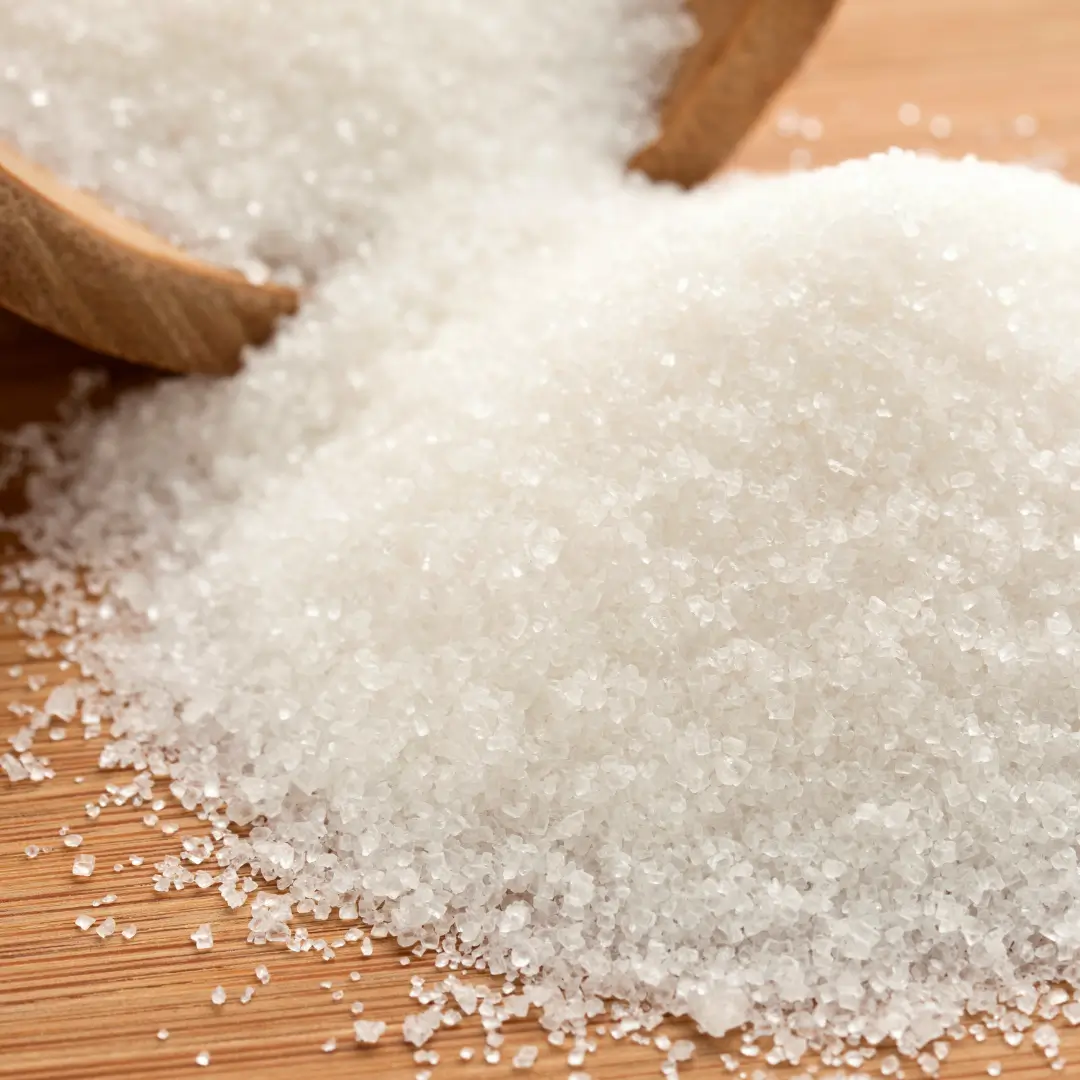
White sugar is the most frequently chosen sweetener, which has reigned in our kitchens for years. It is cheap, easily available, and exceptionally versatile – it works well in sweet bakes, desserts, as well as in daily coffee or tea. Its neutral taste means it does not change the aroma of dishes, and its excellent solubility makes it easy to prepare drinks and sauces.
Advantages of white sugar:
-
neutral, universal taste suitable for many dishes,
-
fast and easy solubility, which makes it suitable for both baking and drinks,
-
wide application in the kitchen – from cakes, desserts, and ice cream, to marinades or jams.
Disadvantages of white sugar:
-
high degree of refining, which means that during production it is stripped of almost all nutrients,
-
lack of vitamins and minerals that naturally occur in unprocessed sugar sources,
-
high glycaemic index, which can lead to a rapid increase in blood sugar levels.
It is precisely because of these limitations that many people start looking for healthier alternatives and consider introducing natural products to their diet, such as honey, which in addition to sweetness also provides nutritional value and ingredients beneficial to the body.
3. Cane sugar – is it really healthier?
Cane sugar is often perceived as a "healthier" alternative to white sugar, mainly due to its darker colour and characteristic, slightly caramel taste. It is made from sugar cane, and in some variants, its processing is less intense than in the case of white sugar, which means it retains small amounts of natural minerals such as potassium, magnesium, or iron.
Advantages of cane sugar:
-
delicate caramel aroma, which can enrich the taste of desserts and drinks,
-
less intensive refining process in some variants, which allows for the retention of trace amounts of minerals,
-
darker colour can give baked goods a more interesting appearance and a slightly deeper taste.
Disadvantages of cane sugar:
-
caloric value similar to white sugar – it still provides energy mainly in the form of simple sugars,
-
high glycaemic index, which means a rapid increase in blood glucose levels,
-
despite small amounts of minerals, in terms of nutritional value, it still falls short of natural products such as honey.
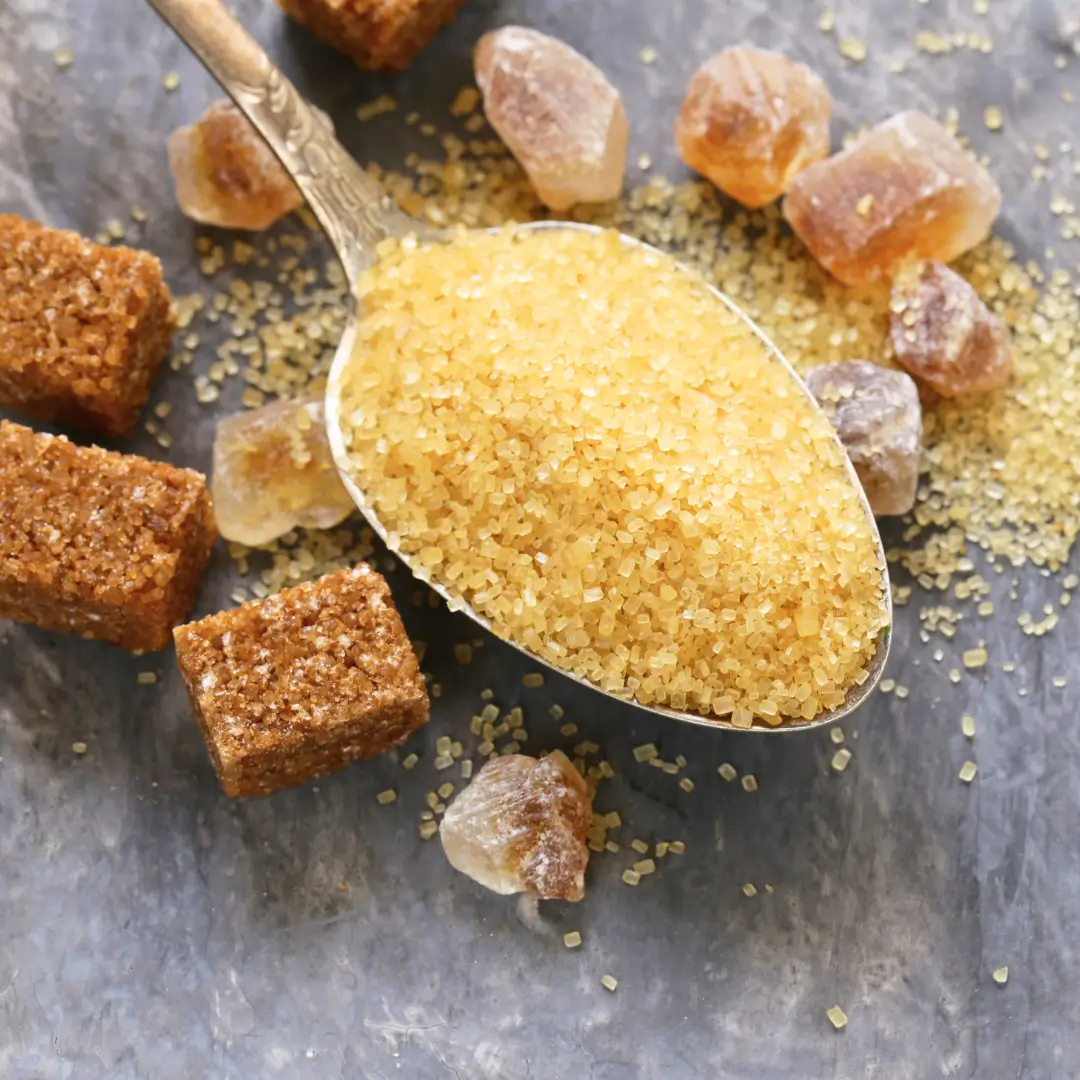
Although cane sugar is sometimes chosen as an alternative to classic sugar, it is worth remembering that natural products, such as honey, offer something more than just sweetness. That is why more and more people decide to combine traditional sugars with natural alternatives in everyday cooking.
4. Coconut sugar – natural origin, higher price
Coconut sugar is gaining more and more popularity among people looking for alternatives to classic white sugar. It is made from the nectar of coconut palm flowers and is characterised by a delicate, slightly caramel taste and a brown colour that gives bakes and dessert drinks a more interesting appearance. In contrast to white sugar, minimally processed coconut sugar retains small amounts of nutrients, such as potassium, magnesium, zinc, or iron.
Advantages of coconut sugar:
-
lower glycaemic index than in the case of white sugar, which means a slower release of glucose into the blood,
-
contains trace amounts of minerals that can support the body's daily functioning,
-
characteristic, slightly caramel taste that adds depth to bakes, coffee, or smoothies,
-
a product of more natural origin compared to white and refined sugar.
Disadvantages of coconut sugar:
-
relatively high price compared to traditional sugar,
-
it is still sugar, so it should be used in moderation, especially if we care about controlling caloric intake and blood sugar levels,
-
at high temperatures, some nutritional properties may be partially destroyed.
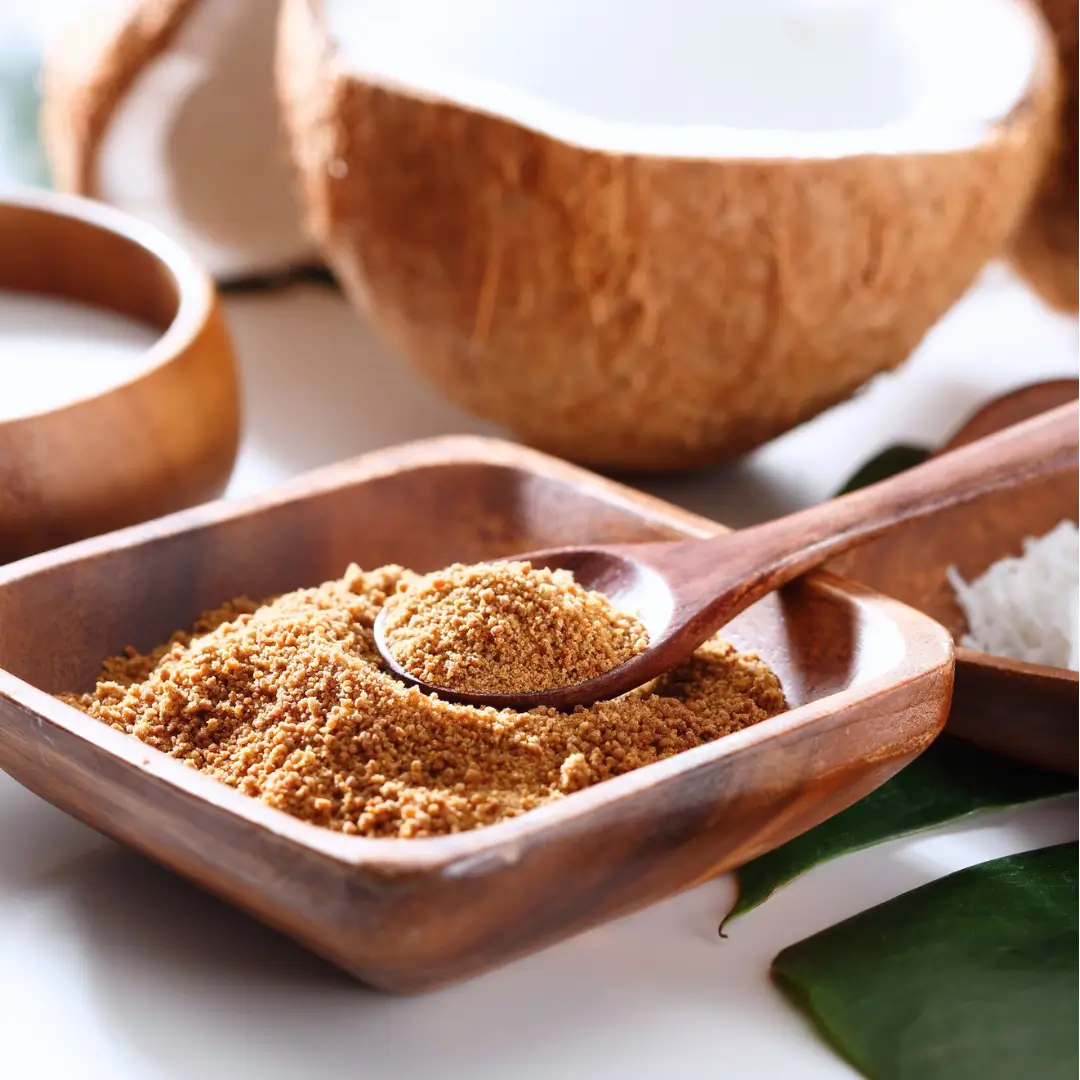
Although coconut sugar is sometimes chosen as a healthier alternative, it is worth remembering that natural products, such as honey, offer even more benefits.
5. Icing and vanilla sugar – convenience over quality
Icing sugar and vanilla sugar are products that most often appear in our kitchens for decorative purposes or to add aroma. Icing sugar is created by finely grinding white sugar, sometimes with the addition of starch to prevent clumping. Thanks to its very fine consistency, it is ideal for preparing icings, glazes, creamy desserts, or decorating cakes.
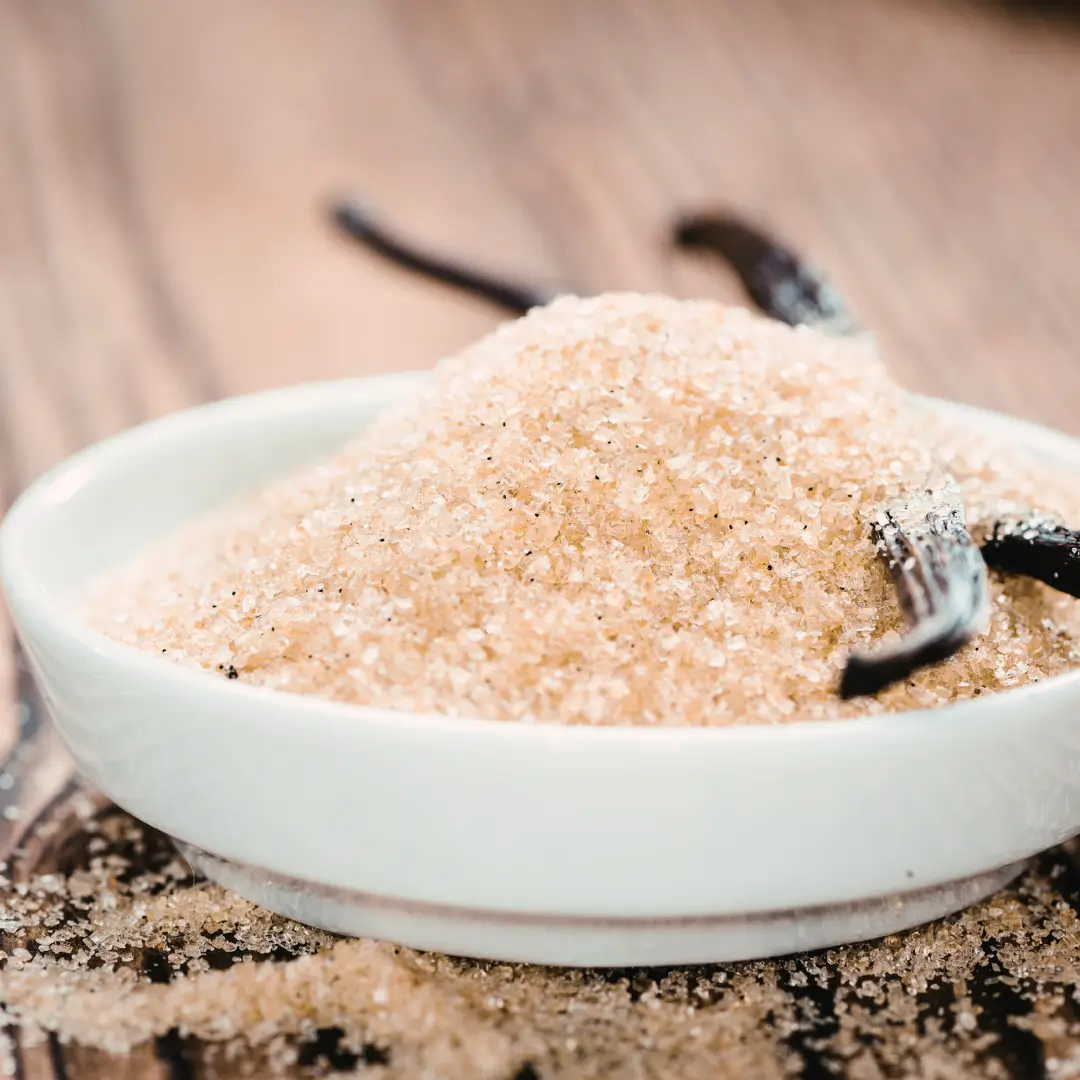
Vanilla sugar, on the other hand, is a combination of sugar with natural vanilla or vanilla aroma. It gives sweet dishes a characteristic, intense scent and taste, which allows you to quickly enrich bakes or desserts without the need for additional aromas.
Main disadvantages of icing and vanilla sugar:
-
lack of nutritional value – both products are largely devoid of minerals and vitamins,
-
high degree of processing, especially in the case of vanilla sugar containing synthetic aromas,
-
rapid increase in blood sugar levels, which can be problematic for people concerned about glycaemic balance.
6. Honey instead of sugar – a natural alternative
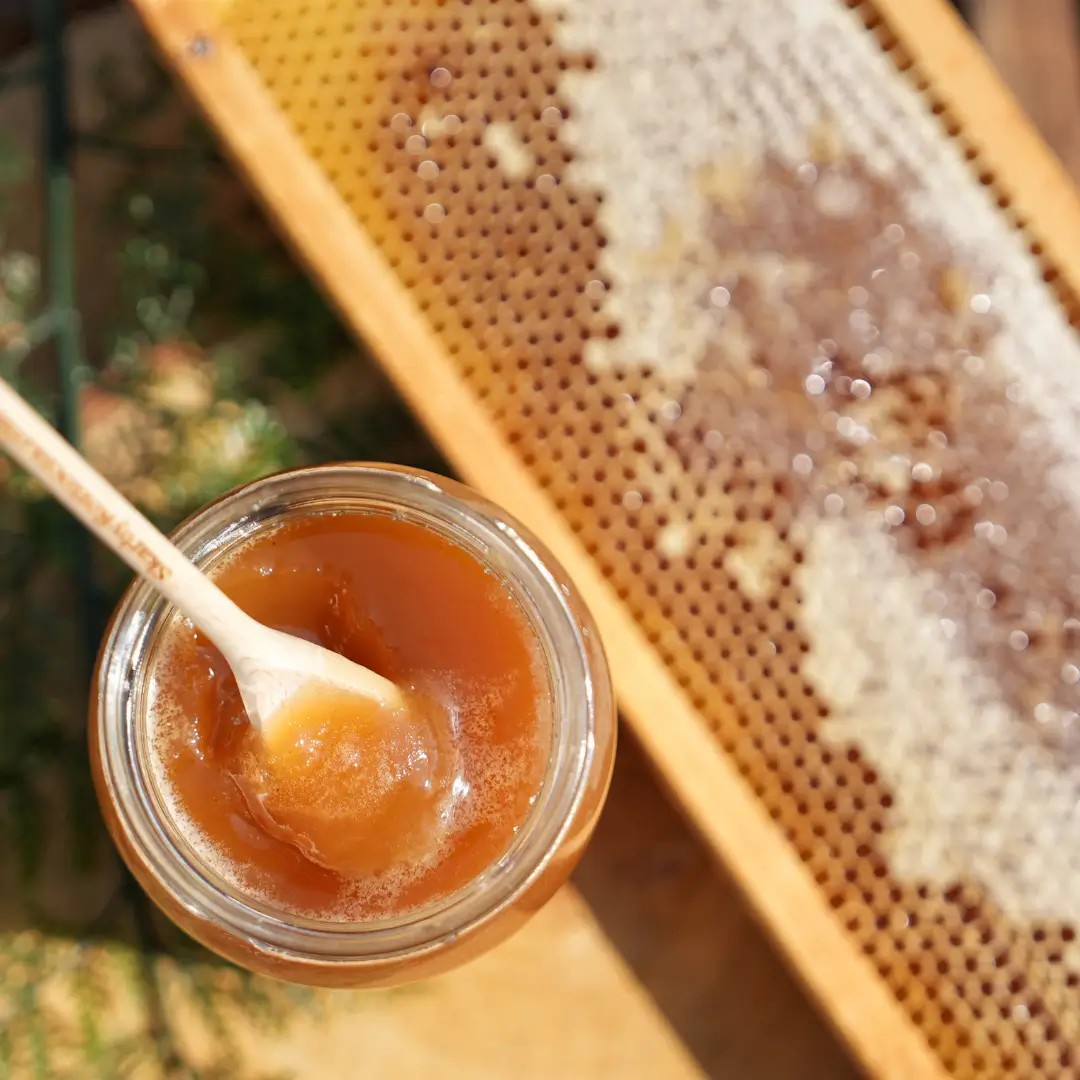
Honey is a product of natural origin that has been used for centuries not only as a sweetener but also as an ingredient supporting a healthy diet. Although it contains simple sugars, its composition differs significantly from refined sugar – in addition to sweetness, it provides enzymes, antioxidants, vitamins, and microelements that support the body's functioning on many levels.
Properties of honey:
-
contains natural enzymes, antioxidants, and microelements that support the body's regeneration,
-
has antibacterial and anti-inflammatory properties, which can support immunity,
-
strengthens the circulatory and cardiovascular systems, helping to maintain healthy blood pressure and improve circulation,
-
is good in case of infections such as a cold or flu – it soothes a sore throat and has a calming effect on the respiratory tract,
-
thanks to its intense sweetness, you can use less of it than traditional sugar, which reduces the amount of simple sugars consumed,
-
gives dishes a deeper, more complex taste – it works perfectly in drinks, desserts, or bakes,
-
supports the immune system, acting preventively in the daily diet.
Things to remember:
-
honey works best in summer drinks, cold desserts, and as an addition to dishes that are not subjected to very high temperatures,
-
heating honey above 40°C causes the destruction of its valuable enzymes and nutrients, which reduces its health properties,
-
despite its properties, it still contains simple sugars, so it should be consumed in moderation.
Thanks to these properties, honey is a natural alternative to sugar, combining pleasant sweetness with additional support for health. More and more often in everyday cooking, it replaces traditional sugars, especially in drinks, desserts, and light bakes, where its aroma and health-promoting effects can be fully utilised.
7. What to choose – sugar or honey?
Each type of sugar has its place in the kitchen and its unique application. White sugar works well in classic bakes, cane and coconut sugar give dishes a more interesting taste and aroma, and icing or vanilla sugar are ideal for decorations and desserts. It is not always possible to completely eliminate sugar from everyday cooking, but it is worth consciously choosing its form and quantity.
More and more people, however, decide to limit refined sugar and introduce natural alternatives that offer additional benefits in addition to sweetness. Honey is one such product – it combines pleasant sweetness with a wealth of enzymes, antioxidants, and microelements, and also gives dishes a deeper, more complex taste. Thanks to this, it can act not only as a sweetener but also as a valuable ingredient supporting health and immunity.

Conscious choice, variety, and moderation are the keys to better eating habits. It is worth experimenting with different types of sugars, getting to know their properties, and combining traditional forms of sweetening with natural alternatives such as honey. Thanks to this, daily sweetening becomes not only more pleasant for the palate but also more beneficial for the body – regardless of whether we reach for coconut, cane, icing, vanilla sugar, or indeed for honey.
8. Summary
Sugars differ not only in taste and consistency but also in nutritional values and processing methods. White sugar is universal but devoid of nutrients, cane and coconut have a more interesting aroma and trace minerals, and icing and vanilla make preparing desserts easier. More and more people decide on natural alternatives, such as honey, which in addition to sweetness provides enzymes, antioxidants, and supports immunity. Honey gives dishes a deeper taste and can be a healthier option when used in moderation. A conscious choice of sugar type and moderation in its consumption help to introduce healthier habits in the everyday kitchen.
Sources/Bibliography
Kasprzak M. Sugar that harms humans – let's prevent by educating Educational Informant
Pietras K., Lesiów T. The impact of consuming excessive amounts of simple sugars and processed food on the development of systemic candidiasis and the state of knowledge of respondents on this subject ENGINEERING SCIENCES AND TECHNOLOGIES 3(34) . 2019
Kłosiewicz-Latoszek L., Cybulska B. Sugar and the risk of obesity, diabetes and cardiovascular diseases Probl Hig Epidemiol 2011, 92(2): 181-186
Bąkowska M., Janda K. Health-promoting properties of selected honeys Pomeranian J Life Sci 2018;64(3):147-151
Szymanowska K., Witek B. Health-promoting and therapeutic properties of selected types of honey EBiŚ 2022, 1(77) ISSN 1643-8779, e-ISSN 2720-5789 DOI: 10.24131/3247.220103