
What is the difference between honeybees and wild pollinators?
Many of us associate pollination mainly with honeybees, which produce golden honey. However, in the world of pollinating insects, there is huge diversity, and wild pollinators – from bumblebees to solitary bees – play an equally important role.
Why is it worth knowing them and how do they differ from managed bees? We invite you to read this short article!
Table of contents:
1. Honeybees – hardworking managed colonies
2. Wild pollinators – diversity and specialisation
3. Why are both groups important?
4. How to support wild pollinators in the garden?
1. Honeybees – hardworking managed colonies
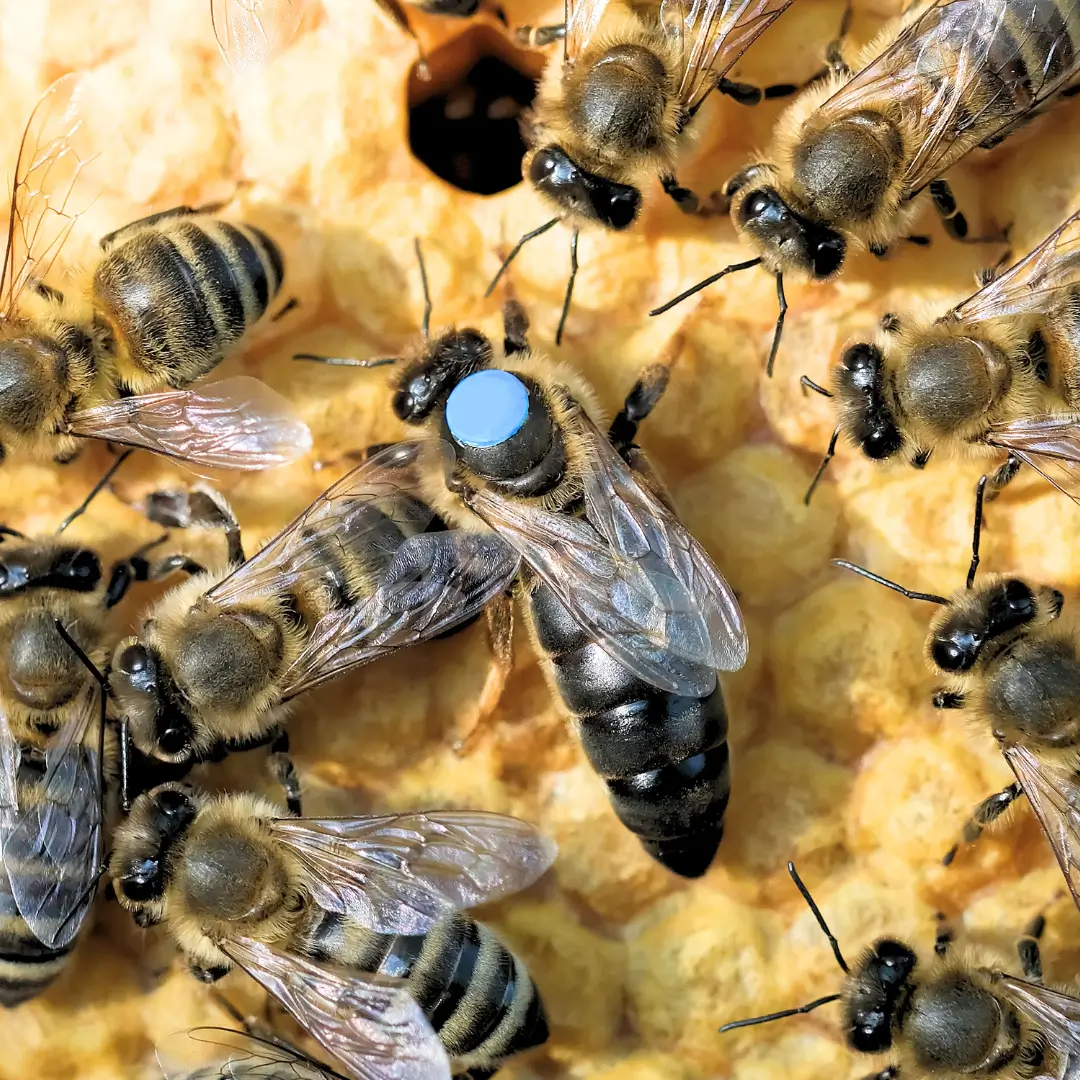
Honeybees are social insects that live in highly organised colonies. Each bee family can number from several thousand to even 80 000 individuals, depending on the season and the strength of the hive. A colony consists of three main roles: the queen, workers and drones.
-
Queen – is the only fertile female in the hive, responsible for laying eggs and maintaining the cohesion of the community.
-
Workers – are females that do not reproduce, but perform all other work: they collect nectar and pollen, produce honey and wax, take care of the cleanliness of the hive and raise young bees.
-
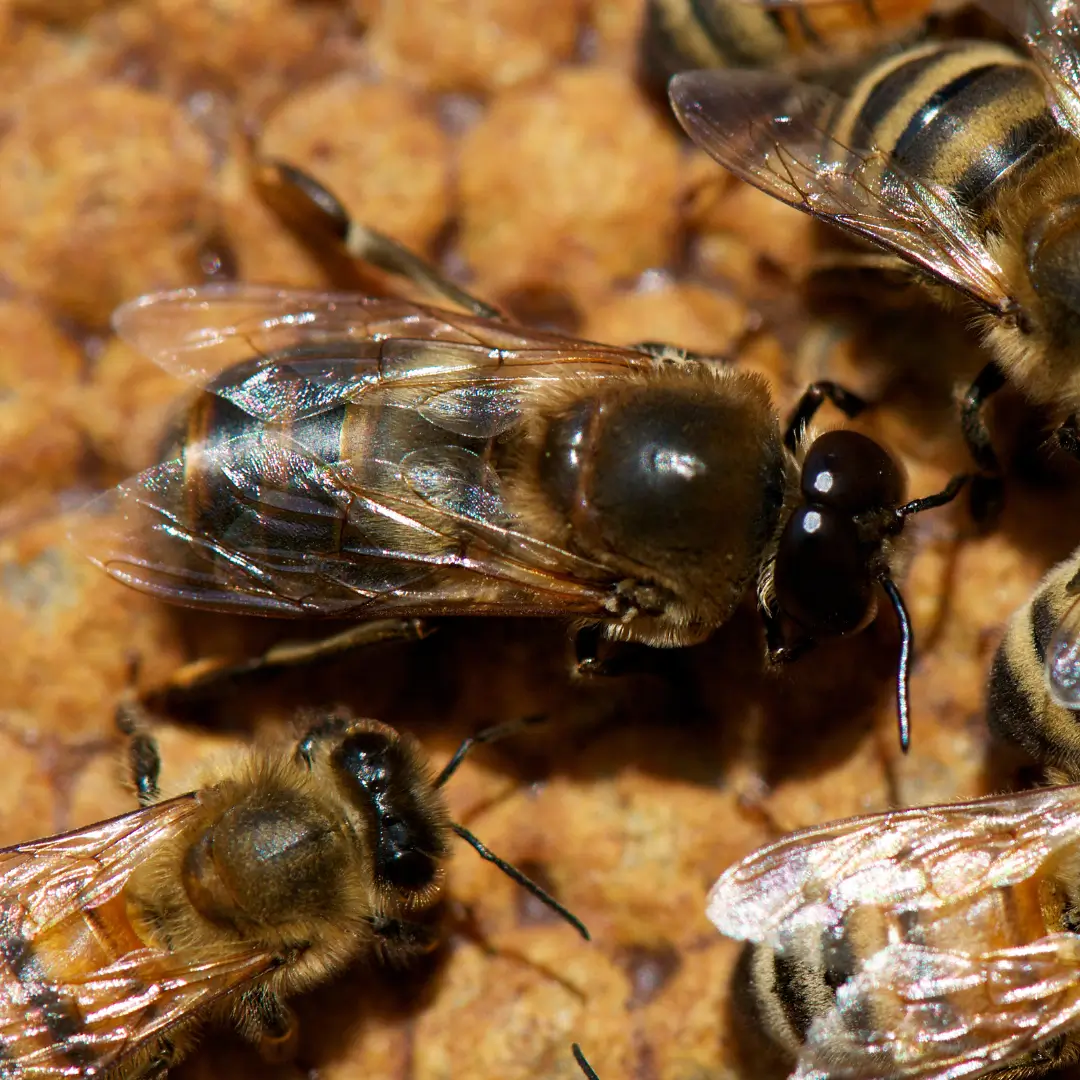
Drones – males whose main task is to fertilise the queen during the nuptial flight. After the season, most of them die or are turned out of the hive.
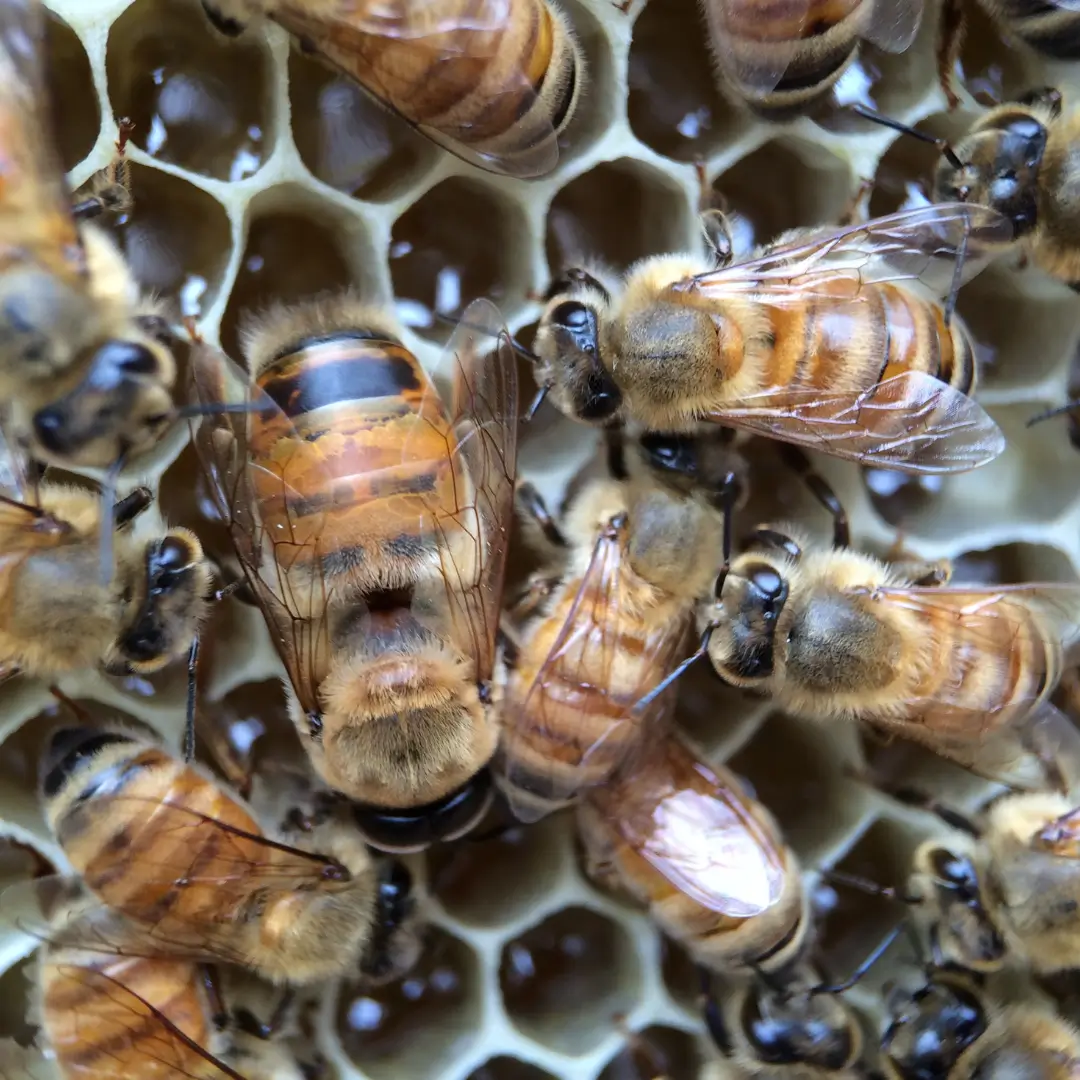
Honeybees are masters of cooperation and organisation. Thanks to this, they can effectively collect nectar and pollen from thousands of flowers, transforming them into honey, which is their food in winter. In addition to honey, they also produce wax for building combs and propolis, a substance with antibacterial properties that protects the hive from diseases and pests.
Characteristic features of honeybees:
-
They live in large families in hives, where there is a strict hierarchy and division of labour.
-
The production of honey, wax and propolis is not only beneficial for the bees, but also for humans, who can benefit from these resources.
-
They can pollinate many plant species, although in comparison with wild pollinators they are less specialised – they visit mainly flowers that are easily accessible and rich in nectar.
-
They are managed by humans, which allows for population control and moving hives for the purpose of pollinating agricultural and garden crops.
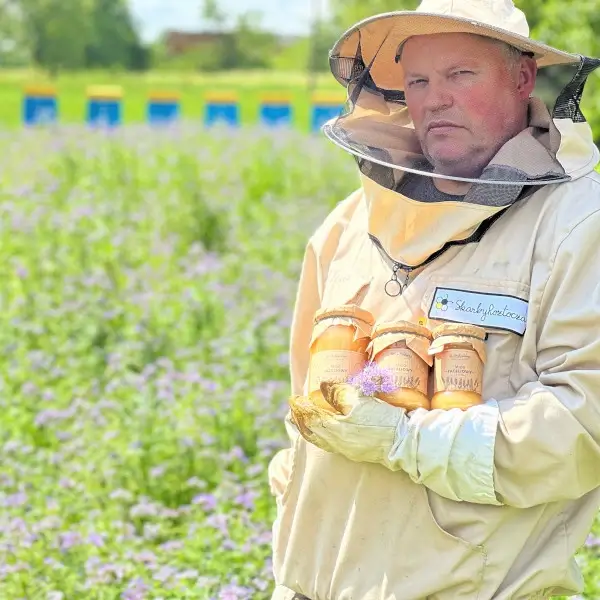
Thanks to their organisation and ability to cooperate, honeybees are invaluable both for agriculture and for maintaining biodiversity in gardens and green areas. However, their success does not mean that wild pollinators are less important – on the contrary, both types of insects work best when we support them simultaneously.
2. Wild pollinators – diversity and specialisation
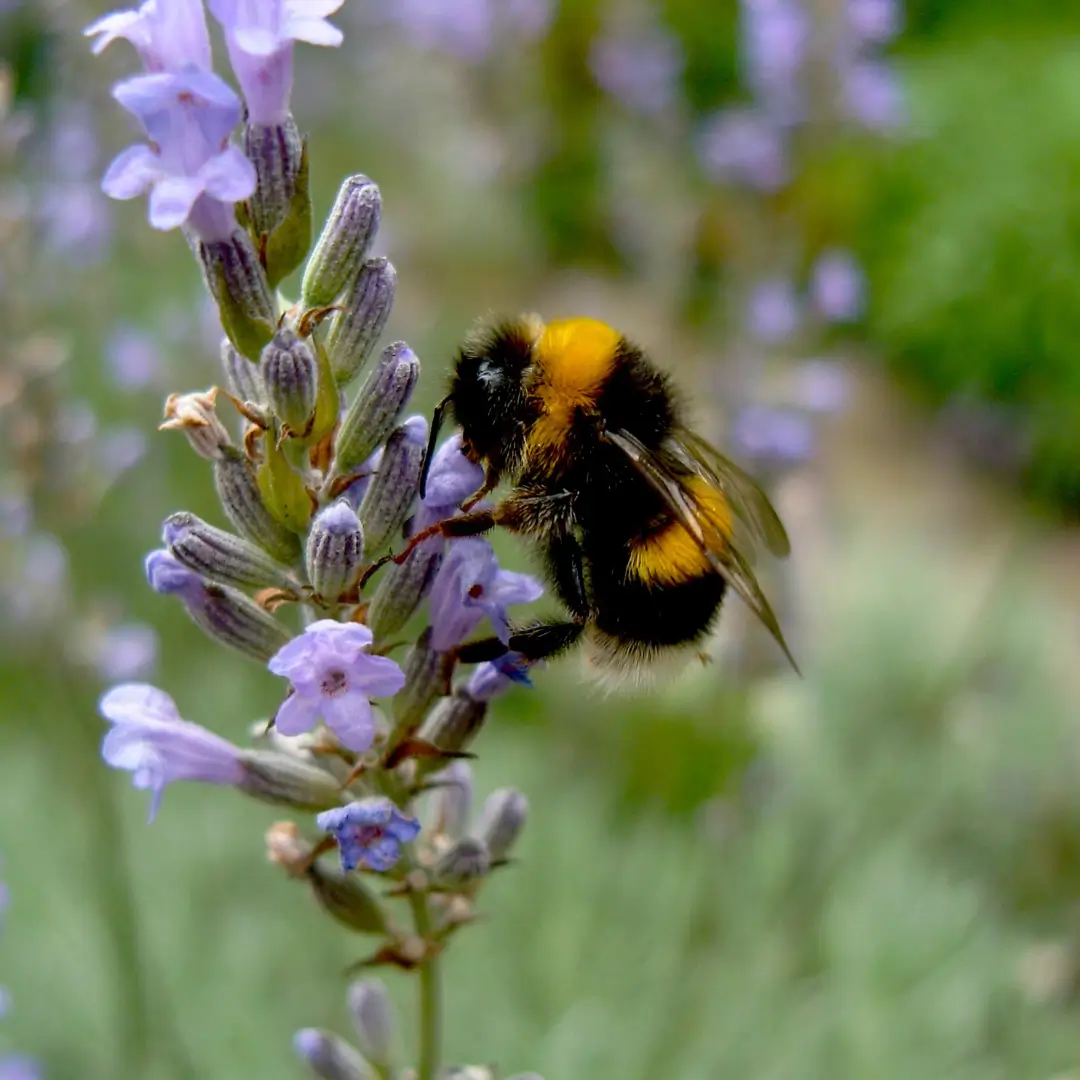
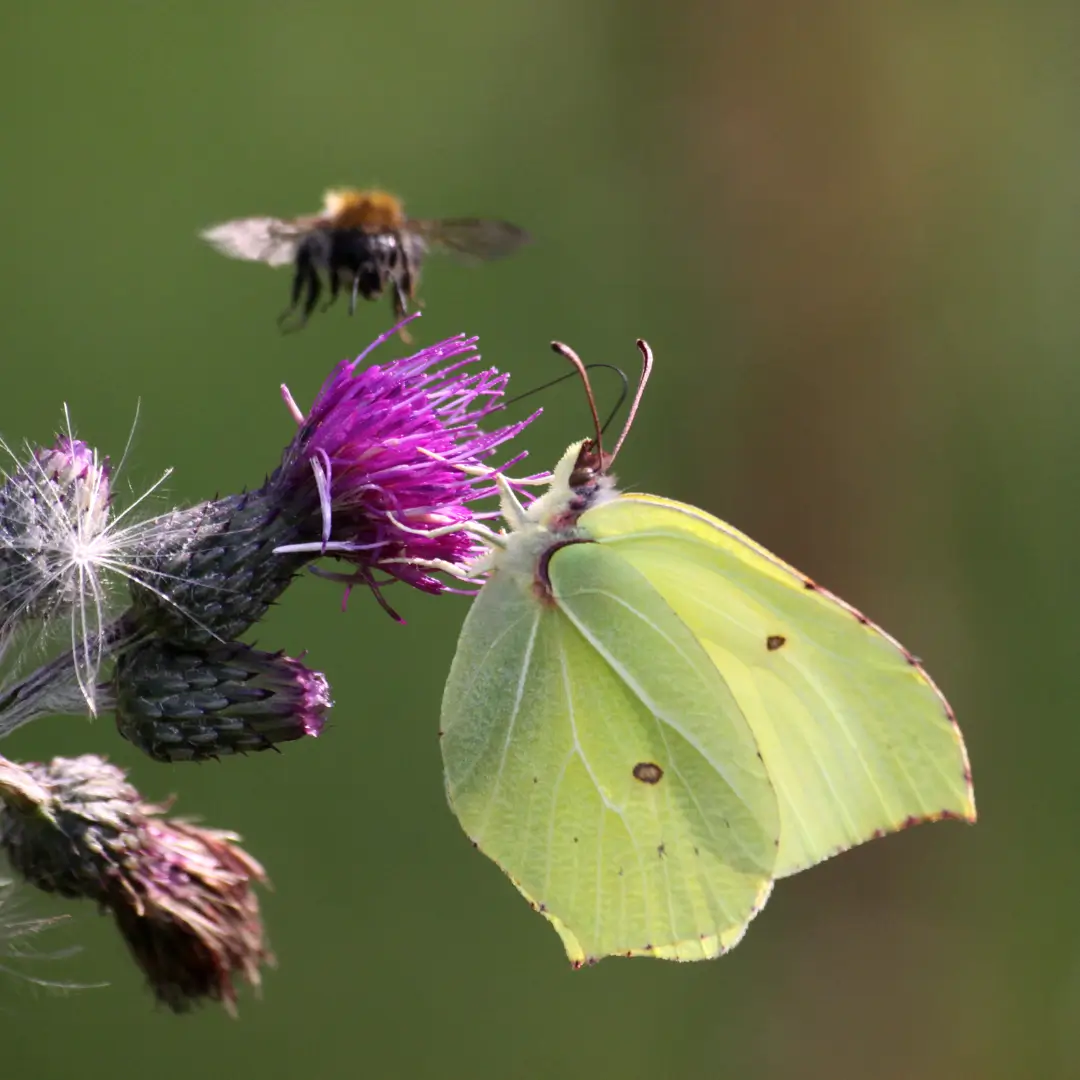
Wild pollinators are all insects that pollinate plants and are not managed honeybees. These include bumblebees, solitary bees, hoverflies, beetles and even butterflies. Although they are often less visible than honeybees, they play a key role in ecosystems and gardens.
Why are wild pollinators unique?
-
Species diversity - there are thousands of species of wild bees and other pollinating insects, each of which prefers different flowers. Some species are extremely specialised – they visit only flowers of one type or plant family, which increases the precision and effectiveness of pollination.
-
Better adaptation to difficult conditions - wild pollinators can work where honeybees may have trouble. Some of them are active at lower temperatures, during windy weather or early in the day, when most honeybees do not yet leave the hive. This makes it possible for them to pollinate plants in various climatic and seasonal conditions.
-
Specialisation - some wild bees and bumblebees have unique anatomical features that allow them to visit flowers with unusual shapes or flower tube lengths. Thanks to this, plants that are difficult for honeybees to pollinate get a chance to fruit and reproduce.
-
No honey production for humans - wild pollinators do not produce honey or wax on a scale useful for humans. Their main task is to obtain nectar and pollen for themselves and to raise their offspring. Although they do not bring us honey, their work is invaluable for maintaining biodiversity and plant yields in nature and gardens.
Why is it worth supporting them?
Wild pollinators increase the biological diversity of gardens and farmlands. Their presence allows flowering plants to reach their full yield potential and also stabilises the ecosystem – at the same time, they support natural enemies of pests, helping in organic plant protection.
3. Why are both groups important?
Honeybees and wild pollinators play complementary roles in nature – they complement each other, thereby ensuring healthy ecosystems and rich yields. Although both groups deal with pollination, their strategies and capabilities are different, which makes them work much more effectively together than each alone.
Stability and efficiency thanks to honeybees - honeybees form large, organised colonies that can regularly visit flowers over large areas. Thanks to this, they provide a constant level of pollination throughout the summer, which is key for fruit and vegetable production in gardens and farms. Additionally, the production of honey, wax and propolis makes honeybees valued not only as pollinators but also as a source of natural products.
Diversity and specialisation of wild pollinators - wild pollinators bring biological diversity to the ecosystem. Their presence enables the pollination of plants with flowers that are difficult to visit and those that bloom in conditions less favourable for honeybees, e.g. on cool, windy mornings. Thanks to them, many plant species achieve greater reproductive efficiency, which consequently increases yields and ecosystem stability.
Natural cooperation
When both groups work together:
-
Plants have a greater chance of fruiting and seeding because different insects visit different flower species.
-
Pollination becomes more reliable, even if weather conditions are variable.
-
Gardens and crops become more resistant to diseases and yield drops because the diversity of insects promotes a healthy environment.
4. How to support wild pollinators in the garden?
Wild pollinators, though often less visible than honeybees, are extremely valuable for our garden and crops. We can help them in a simple way by creating a friendly environment and providing natural sources of food and shelter.
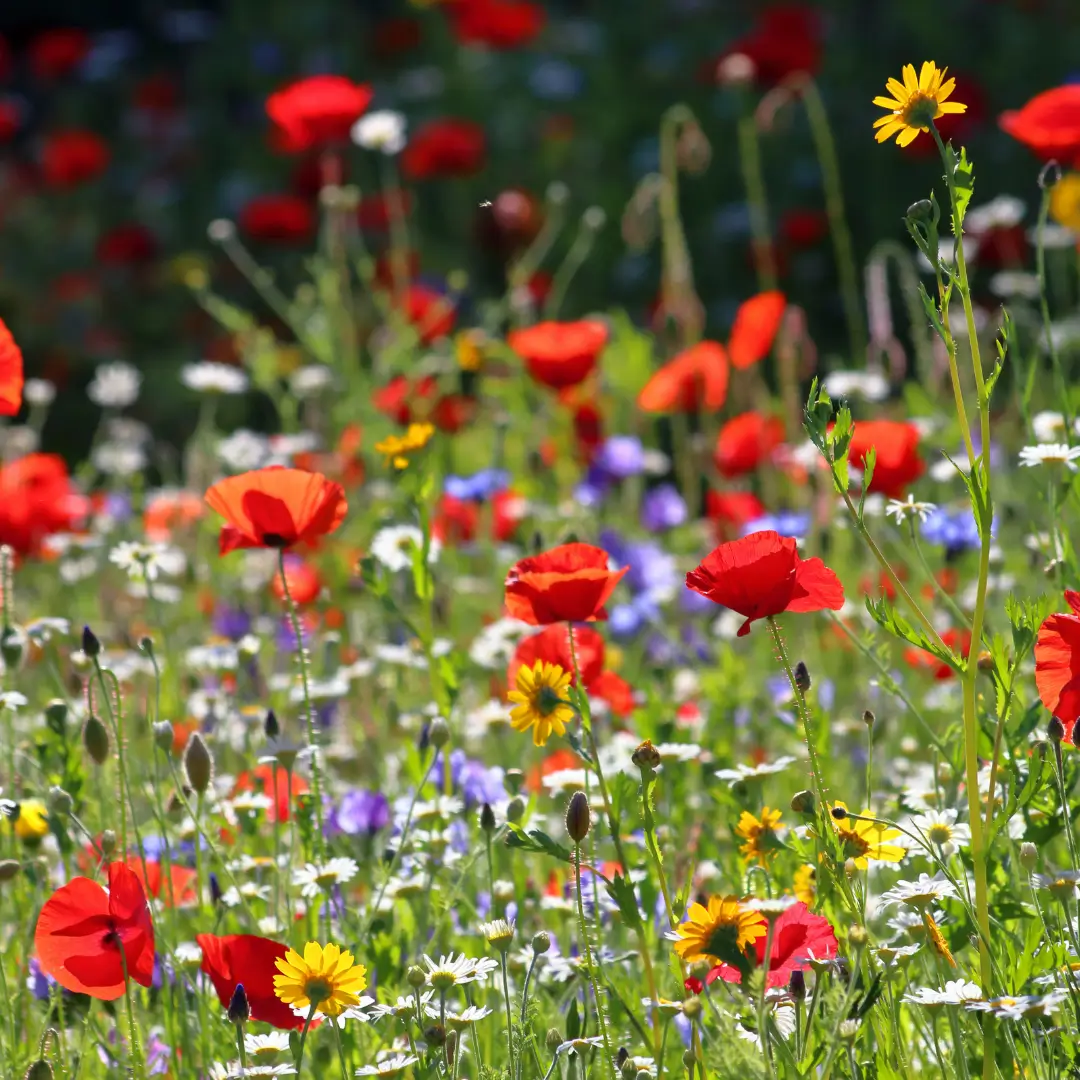
Plant honey-producing plants and local flower species - wild pollinators make the best use of flowers that are rich in nectar and pollen. Planting a variety of species, including local native plants, provides them with a constant source of food throughout the season. It is also worth choosing plants that bloom at different times – in early spring, summer and autumn – so that insects have access to food for most of the year.
Avoid chemical pesticides - plant protection products can be very harmful to wild pollinators. Even small amounts of pesticides can disrupt their orientation, reduce their ability to reproduce or lead to the death of the insects. Instead of chemicals, it is worth using natural plant protection methods, e.g. introducing beneficial predatory insects or using ecological preparations.
Leave fragments of untidied terrain - wild pollinators need places for nesting and rest. Unused fragments of the garden can become an ideal shelter:
-
Old trunks, hollows and dry branches serve solitary bees as places for laying eggs.
-
Stones, piles of leaves and dry grass create hiding places for insects.
-
Not-so-carefully mowed lawns or clumps of wild flowers can become a natural habitat for many species of pollinators.
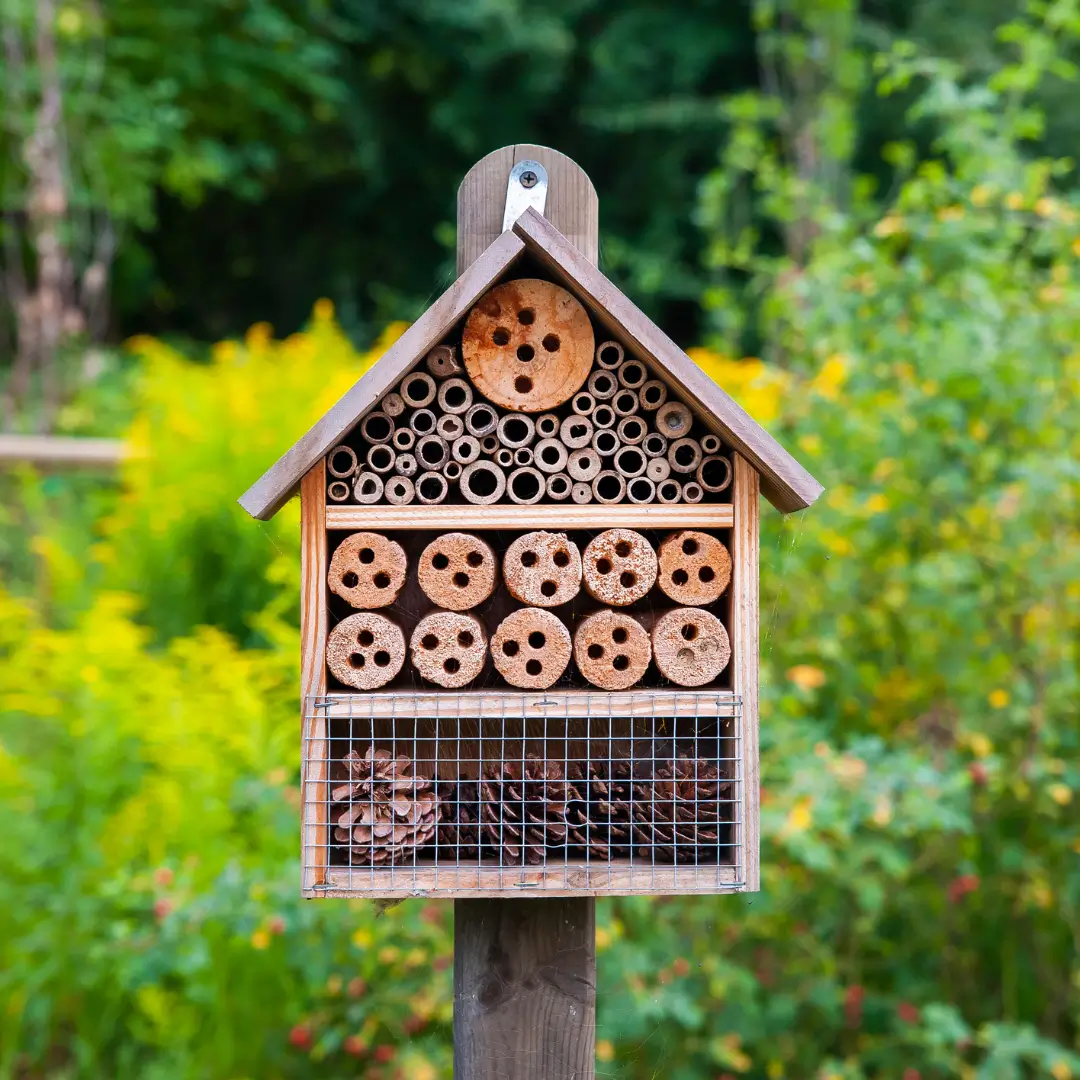
Build simple hotels for pollinating insects - insect hotels are structures made of wood, hollow stems, clay or bamboo, in which wild bees and other insects can lay eggs and shelter for the winter. By building such hotels in a sunny and sheltered place, we increase the chance of a constant presence of wild pollinators in the garden.
Additional tips
-
Create diverse habitats: a combination of flowers, shrubs and trees allows insects to choose places suitable for their needs.
-
Water for insects: a shallow dish with water and pebbles allows them to drink safely.
-
Minimise mowing and excessive lawn care to leave natural nesting sites and food.
By creating friendly conditions for wild pollinators in the garden, we support not only their survival but also the health and productivity of our plants. These are simple actions that bring benefits to both the insects and us.
5. Summary
Honeybees and wild pollinators are the heroes of our gardens and fields. Honeybees live in large, organised colonies and produce honey, wax and propolis, while effectively pollinating many plants. Wild pollinators, such as bumblebees or solitary bees, are more specialised and can work in more difficult conditions, pollinating plants that honeybees do not visit. By supporting both types of insects – planting flowers, leaving wild corners and building insect hotels – we increase yields, take care of biodiversity and create a healthy, blooming garden.
Sources/Bibliography:
- Frączek M., Methodological and didactic materials regarding THE PROTECTION OF POLLINATING INSECTS for State Forests educational centres ISBN 978-83-65659-71-2
- Burkot P., Species diversity of pollinators. Pedagogical University of Krakow EBiŚ 2022, 1(77) ISSN 1643-8779, e-ISSN 2720-5789 DOI: 10.24131/3247.220104
- Zych M., Denisow B., Gajda A., et al. National Strategy for the Protection of Pollinating Insects. Adopt a Bee, May 2018