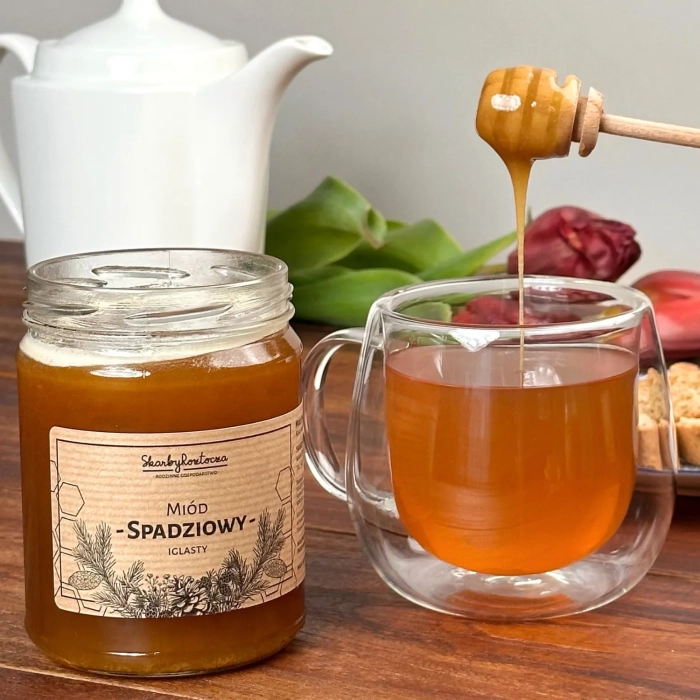

Which honey to choose for thyroid and Hashimoto's?
Honey has been valued for centuries for its health properties, and its role in naturally supporting the body is gaining more and more recognition. In the case of thyroid conditions such as Hashimoto's, choosing the right honey can be particularly important.
In the following post, we will look at which honey can support thyroid health, how it affects the body of a person with Hashimoto's, and how to introduce it into your daily diet. Enjoy!
Table of Contents:
1. Thyroid and Hashimoto's – what you need to know?
2. Properties of honey and thyroid health
3. The best honeys for people with Hashimoto's
4. How to consume honey with thyroid problems?
1. Thyroid and hashimoto – what you need to know?
The thyroid is a small butterfly-shaped gland located at the base of the neck, which plays a key role in regulating metabolism, hormone production, and the functioning of many systems in the body. Hashimoto's disease is a chronic autoimmune inflammation of the thyroid, in which the immune system attacks its own thyroid cells, leading to its damage and hypothyroidism.
People with Hashimoto's often struggle with symptoms such as fatigue, weight gain, depression, concentration problems, and dry skin. Supporting treatment with natural products, such as honey, can be a beneficial supplement to therapy, particularly in terms of reducing inflammation and strengthening immunity.
2. Properties of honey and thyroid health
Honey, being one of the oldest natural food substances, has a wide range of properties that can support thyroid health, especially in the context of autoimmune diseases such as Hashimoto's. It acts on many levels – from supporting the immune system and reducing inflammation to alleviating some of the symptoms accompanying thyroid function disorders.
Anti-inflammatory action - one of the most important aspects of honey's action is its strong anti-inflammatory effect. In the context of Hashimoto's, which is an inflammatory disease, this is of particular importance. Honey contains a large amount of antioxidants such as flavonoids, phenolic acids, and enzymes with antioxidant properties. These compounds help neutralise free radicals that can contribute to the development and intensification of inflammation in the body.
In the case of Hashimoto's, where the immune system attacks thyroid cells, inflammation is a constant element of the disease. Regular consumption of honey can help in alleviating these inflammatory states, which can result in slowing down the process of thyroid destruction and improving the patient's overall well-being. What is more, honey can also support tissue regeneration by acting at a cellular level, which is important in the context of damaged thyroid tissue.
Strengthening the immune system - the immune system of people with Hashimoto's is often disrupted, leading to an inappropriate autoimmune reaction – the body attacks its own cells instead of protecting them from external threats. Honey, especially its varieties with a high enzyme content. This means it can help regulate the function of the immune system, strengthening it where needed and simultaneously soothing excessive autoimmune reactions.
Honey also contains natural prebiotics that support a healthy gut microflora, which plays a key role in regulating the immune system. Since gut health is closely linked to the functioning of the immune system, including honey in the diet can help balance immune responses and reduce the risk of disease recurrence.
Relieving symptoms - Hashimoto's disease is associated with a range of bothersome symptoms such as chronic fatigue, digestive problems, dry skin, mood swings, and weight gain. Regular consumption of honey can contribute to alleviating some of these symptoms, which results from its natural nutritional and regenerative properties.
Honey is a natural source of easily digestible carbohydrates that can provide quick energy, helping to combat feelings of fatigue. Thanks to its content of vitamins, minerals, and enzymes, honey can also support metabolic processes, which is important for people with thyroid disorders where metabolism is slowed down. Its moisturising properties can also bring relief in cases of dry skin, and its gentle calming effect helps in mood stabilisation.
3. The best honeys for people with Hashimoto's
Linden Honey - is one of the most frequently recommended honeys for people with Hashimoto's, due to its strong calming and anti-inflammatory properties. Stress is one of the factors that can exacerbate autoimmune disease symptoms, which is why linden honey, known for its relaxing effect, can be particularly beneficial. It contains flavonoids that help reduce inflammation, which can bring relief in the thyroid area. Furthermore, regular consumption of linden honey can support sleep quality, which is essential for body regeneration and maintaining hormonal balance.

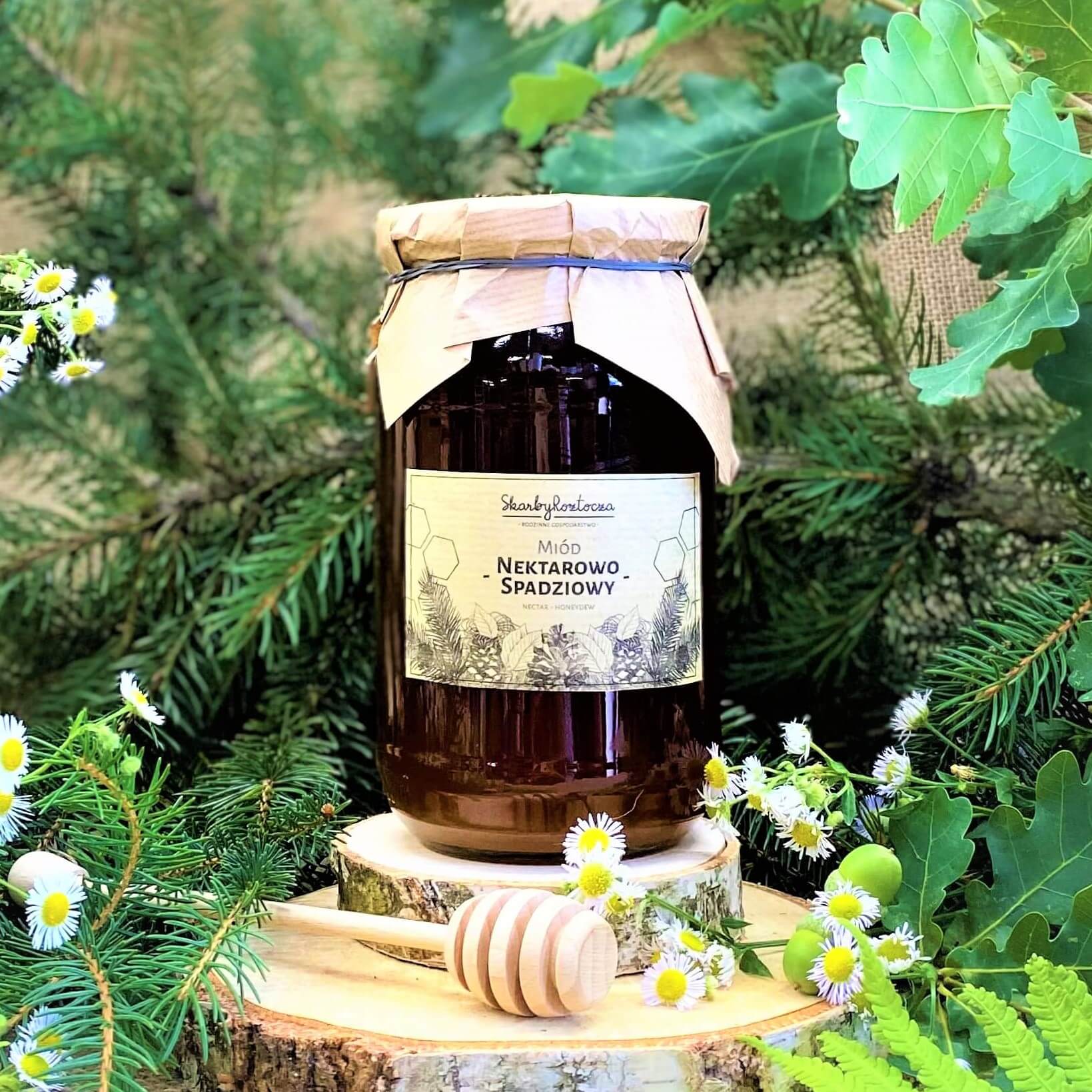
Honeydew Honey - originating from coniferous or deciduous trees, is a true treasure trove of minerals such as potassium, calcium, magnesium, and iron, as well as antioxidants. These nutrients are extremely important for people with Hashimoto's as they support the immune system and help in detoxifying the body. Detoxification is particularly important in the case of thyroid function disorders, as it helps in the elimination of harmful substances that can worsen health. Honeydew honey is also known for its bactericidal action, which can protect against infections that people with Hashimoto's are more susceptible to.
Buckwheat Honey - stands out with its dark colour and intense flavour, but it is its nutritional ingredients that make it particularly valuable for people with Hashimoto's. It is rich in antioxidants, especially rutin, which strengthens blood vessels and improves circulation. It also contains large amounts of iron, which is crucial for people suffering from anaemia, which often accompanies thyroid diseases. Regular consumption of buckwheat honey can help combat feelings of fatigue and general weakness, which are common symptoms of Hashimoto's. Thanks to its properties supporting circulation and strengthening the body, buckwheat honey can contribute to improving overall vitality and well-being.

4. How to consume honey with thyroid problems?
Introducing honey into the diet of people with Hashimoto's and other thyroid problems requires a thought-out approach. Proper consumption of honey can bring numerous health benefits, but it is key to adapt it to individual needs and health status.
Consume honey raw - honey is healthiest in its raw, unprocessed form, as it then retains all its enzymes, vitamins, and minerals that can support thyroid health. Thermal processing, e.g. adding honey to hot drinks, can destroy these valuable ingredients. For this reason, it is recommended to add honey to warm, but not hot, drinks such as herbal tea or water with lemon. You can also consume honey on its own, for example, one teaspoon before breakfast, which can gently stimulate the body and support digestion.
Avoid excess sugars - although honey is a natural sweetener and a healthier alternative to white sugar, it still contains simple sugars that can affect blood glucose levels. People with Hashimoto's often have metabolic problems, so it is important to consume honey in moderation. It is recommended to limit the daily amount to one or two teaspoons, especially if other sources of sugars are present in the diet. Monitoring blood sugar levels and the overall amount of carbohydrates consumed is key to avoiding sharp energy fluctuations that can worsen well-being.
Combine with other natural products
Honey combines perfectly with other natural ingredients that have properties supporting thyroid health.
- Honey with cinnamon - cinnamon has anti-inflammatory properties and can help stabilise blood sugar levels, which is important for people with Hashimoto's.
- Honey with turmeric - turmeric contains curcumin, a powerful antioxidant that has anti-inflammatory properties. Combining honey with turmeric can act synergistically, supporting the immune system.
- Honey with ginger - ginger acts as an anti-inflammatory and supports digestion, which can be beneficial for people struggling with digestive problems related to Hashimoto's.
Such combinations can be added to warm water, creating health-promoting drinks that gently support thyroid functions, reduce inflammation, and strengthen immunity.
Consume honey at the right times - regularity and the time of honey consumption can also be significant. Including honey in your morning routine, for example as an addition to breakfast, can help stabilise blood sugar levels for the rest of the day. Consuming honey before bed, in combination with a warm drink, can in turn support better sleep thanks to its calming effect, which is beneficial for people struggling with sleep problems resulting from Hashimoto's.
5. Summary
Honey can be a valuable support in the diet of people with Hashimoto's, helping to alleviate symptoms, support the immune system, and reduce inflammation. Choosing the right type of honey, such as linden, honeydew, or buckwheat, can contribute to improving well-being and supporting thyroid health. Remember, however, to consume honey in moderation and always consult dietary changes with a doctor or nutritionist.
Add honey to your daily diet and enjoy its natural support for thyroid health!