
Which plants do bees visit most often? Melliferous plants in Poland.
Bees are invaluable helpers in our gardens, orchards and meadows. Thanks to them, insect-pollinated plants can reproduce, and we can enjoy the crops. But do you know which plants are most attractive to bees?
If you want to create a friendly environment for these beneficial insects or simply better understand their behavior, discover the most frequently visited plants by bees in Poland.
Table of contents:
1. What does it mean for a plant to be melliferous?
2. Bee favourites - the most melliferous plants
3. Why is it worth planting bee-friendly plants?
1. What does it mean for a plant to be melliferous?
A melliferous plant is one that produces nectar – a sweet substance secreted by flowers or other parts of the plant, from which bees make honey. Nectar contains primarily sugars, but also small amounts of amino acids, mineral salts and other components that are valuable for pollinating insects. Besides nectar, melliferous plants often also provide pollen, which is a source of protein, fats and vitamins for bees, necessary for raising offspring and maintaining the condition of the entire bee colony.
Melliferous plants are particularly important in the ecosystem because they provide food for bees and other pollinators at different times of the year. The more such plants in a given environment, the greater the chances of survival and development of bee colonies. For beekeepers, melliferous plants also have great practical importance – they determine the quantity and quality of honey that can be collected in a given season.
It is worth adding that not every flowering plant is melliferous – many of them do not secrete nectar or do so in very small quantities, insufficient for bees. This is why we talk about so-called bee forage – places and periods where plants rich in nectar and pollen are available.
Planting melliferous plants in gardens, parks, meadows or wasteland is one way of supporting pollinators and taking care of biodiversity.
2. Bee favourites - the most melliferous plants
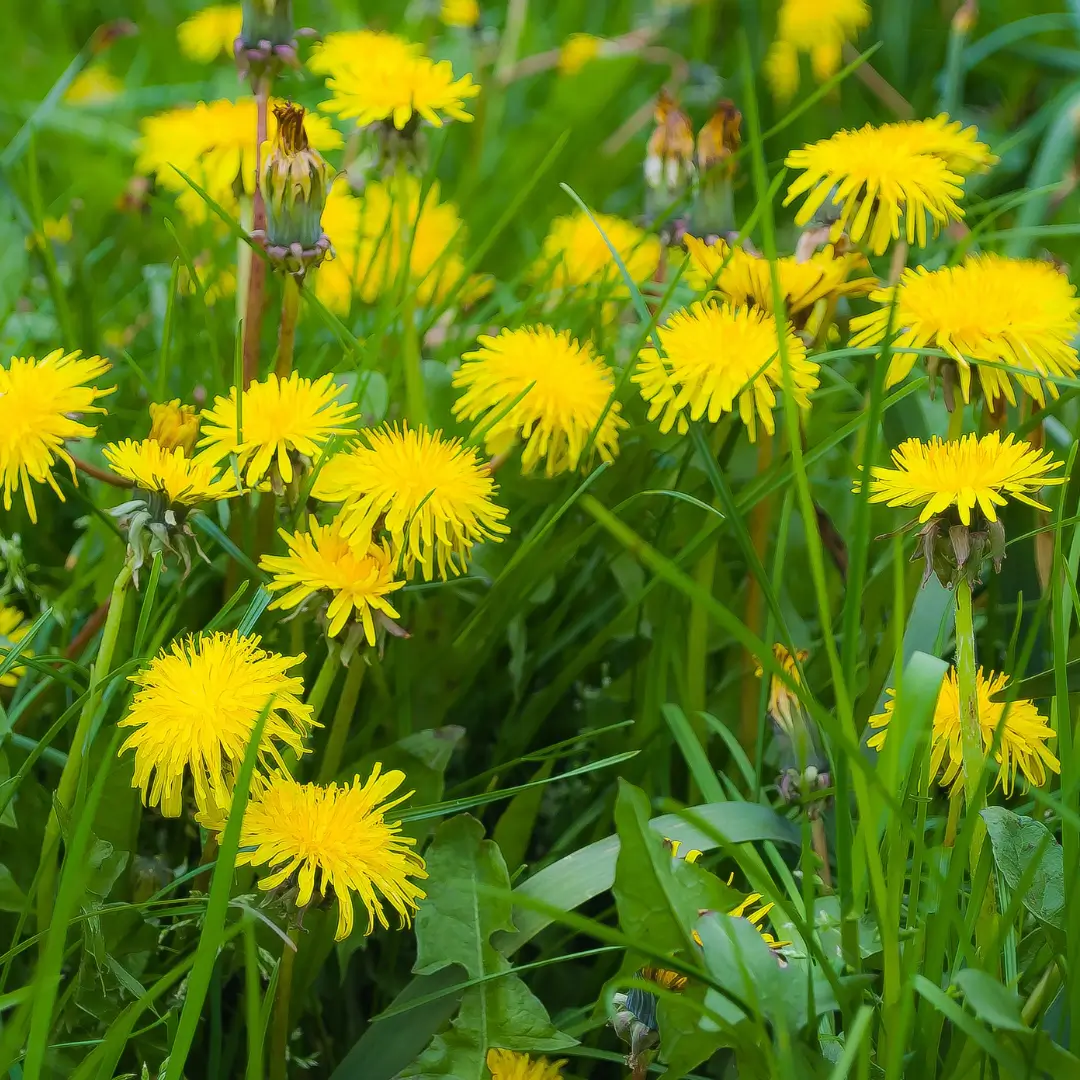
Dandelion - the plant occurs in meadows, pastures, wasteland, by roads, on city lawns and in orchard rows. The entire plant contains milky sap. It forms a rosette of basal leaves that have varied, indented shapes. The flower stalk is straight, leafless and hollow inside. The flowers are exclusively ligulate, yellow and clustered at the top in heads. The heads close in the afternoon and during cloudy weather. The fruit is an achene covered with down, resembling an umbrella. Dandelions start to bloom at the end of April, and even earlier in warmer places. Mass flowering lasts until the end of May. Bees eagerly visit dandelion flowers, especially for the valuable pollen. From one hectare of dandelion cultivation, about 20 kg of honey and about 260 kg of pollen can be obtained.
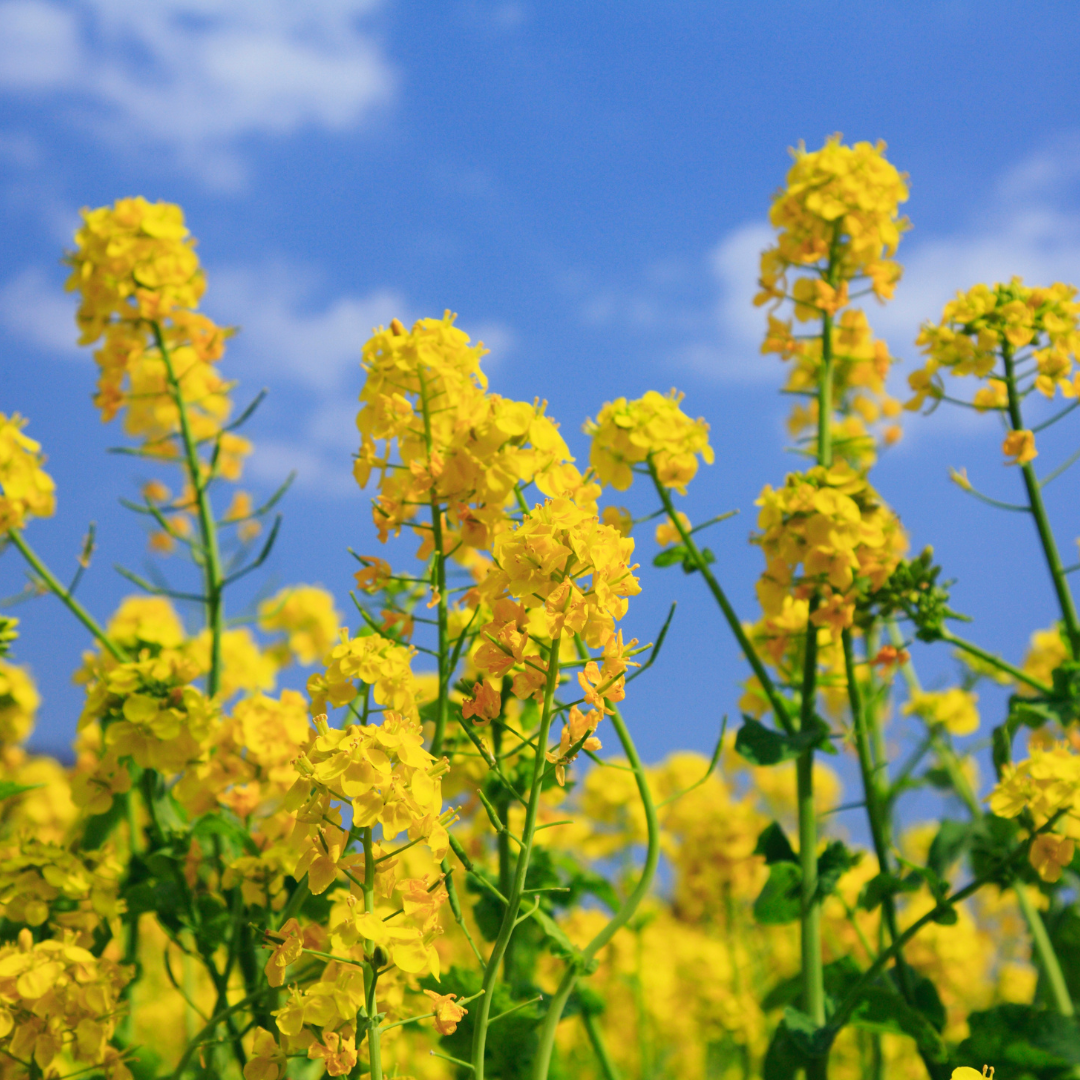
Rapeseed - rapeseed is a well-known and widely cultivated annual oilseed plant, occurring in both spring and winter varieties. Its branched shoots reach up to 1.8 metres in height. The entire plant is smooth, looking as if covered in wax, and has a bluish-green colour. Lower leaves are lyrate, while the upper ones are more lanceolate. The flowers are medium-sized, bright yellow and clustered in elongated, loose racemes at the tips of the shoots. The fruit is a multi-seeded silique that bursts longitudinally. Winter rapeseed blooms from the end of April to May, and this lasts for about three weeks. In its flowers, only two out of four nectaries are active, located near the shorter stamens. Beekeepers collect commercial honey from rapeseed. Honey yields from the winter variety range from 80 to 140 kg per hectare, and pollen from 100 to 150 kg, while the spring variety has honey and pollen yields about half as high.
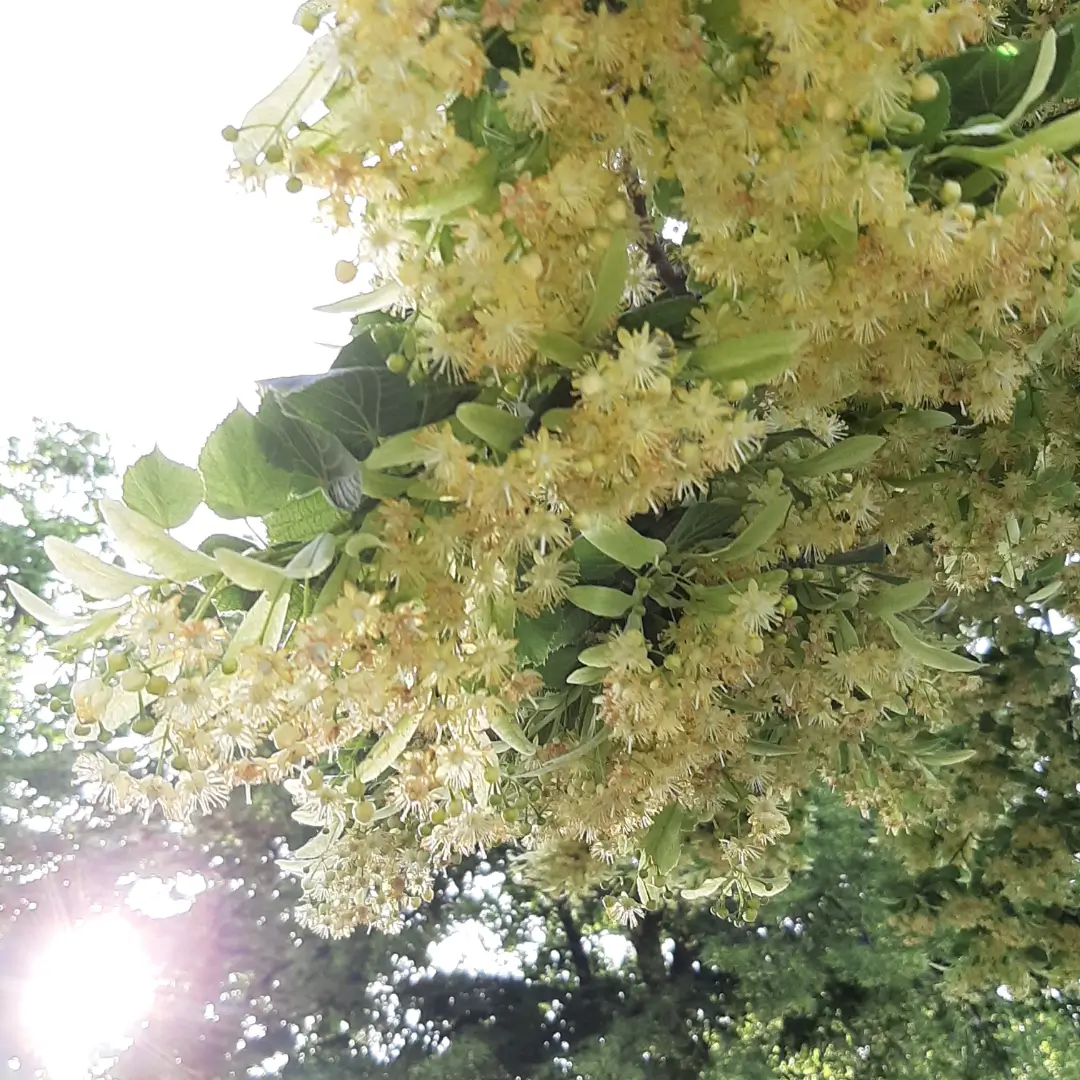
Lime tree - large-leaved lime is a medium-sized native tree most often planted in cities and along roads. It is characterised by a shapely, conical crown, brittle branches and very dense foliage, which makes it very decorative. Its leaves are large, heart-shaped, with a serrated edge, softly hairy on both sides, and with clusters of white hairs in the nerve axils underneath. The yellow flowers form drooping cymes of 3–5 pieces, with a light yellow bract. The fruit is a nutlet with visible ribbing. The lime tree blooms abundantly for about two weeks, starting in the second decade of June, and does not exhibit alternate flowering. Nectar is produced on the inner side of the sepals. Bees collect nectar, pollen and often significant amounts of honeydew from the lime tree. From one large tree, about 2 kg of honey can be obtained, which gives about 200 kg per hectare.
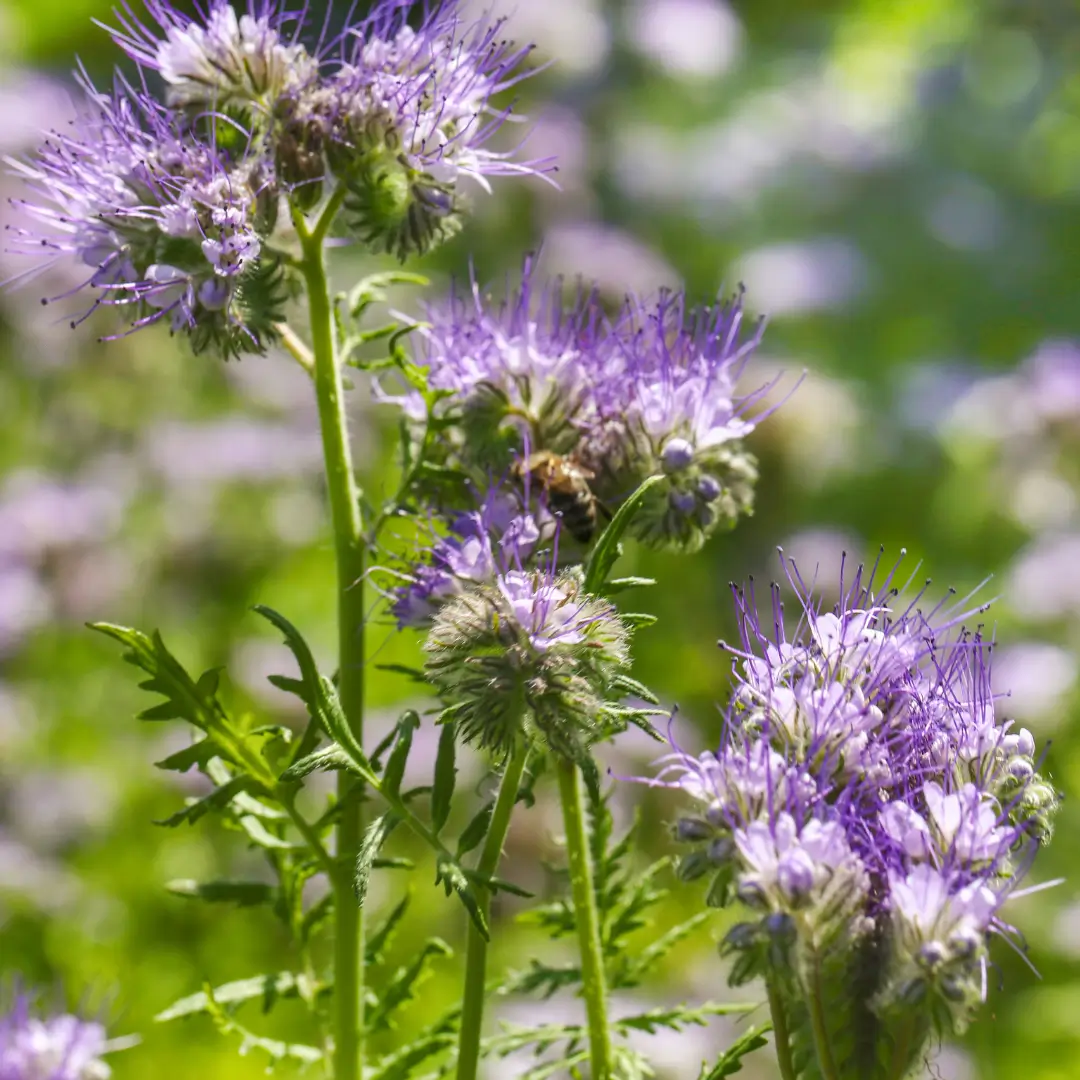
Lacy phacelia - the plant reaches a height of 50 to 70 cm and is covered with rough hairs. Its leaves are singly or doubly pinnate, and their segments have scalloped edges. Funnel-shaped flowers, which can be blue or purple, form coils at the ends of the shoots. The fruit is a capsule containing brown, wrinkled seeds. Phacelia sown early in Polish conditions blooms as early as the beginning of June. Plants start to bloom on average about 55 days after sowing, and the flowering period lasts from 4 to 6 weeks. Flowers secrete nectar abundantly and are visited in large numbers by honey bees and bumblebees, which form characteristic blue pollen loads thanks to phacelia. From one hectare of a seed plantation, about 300 kg of sugars and 180 kg of pollen can be obtained.
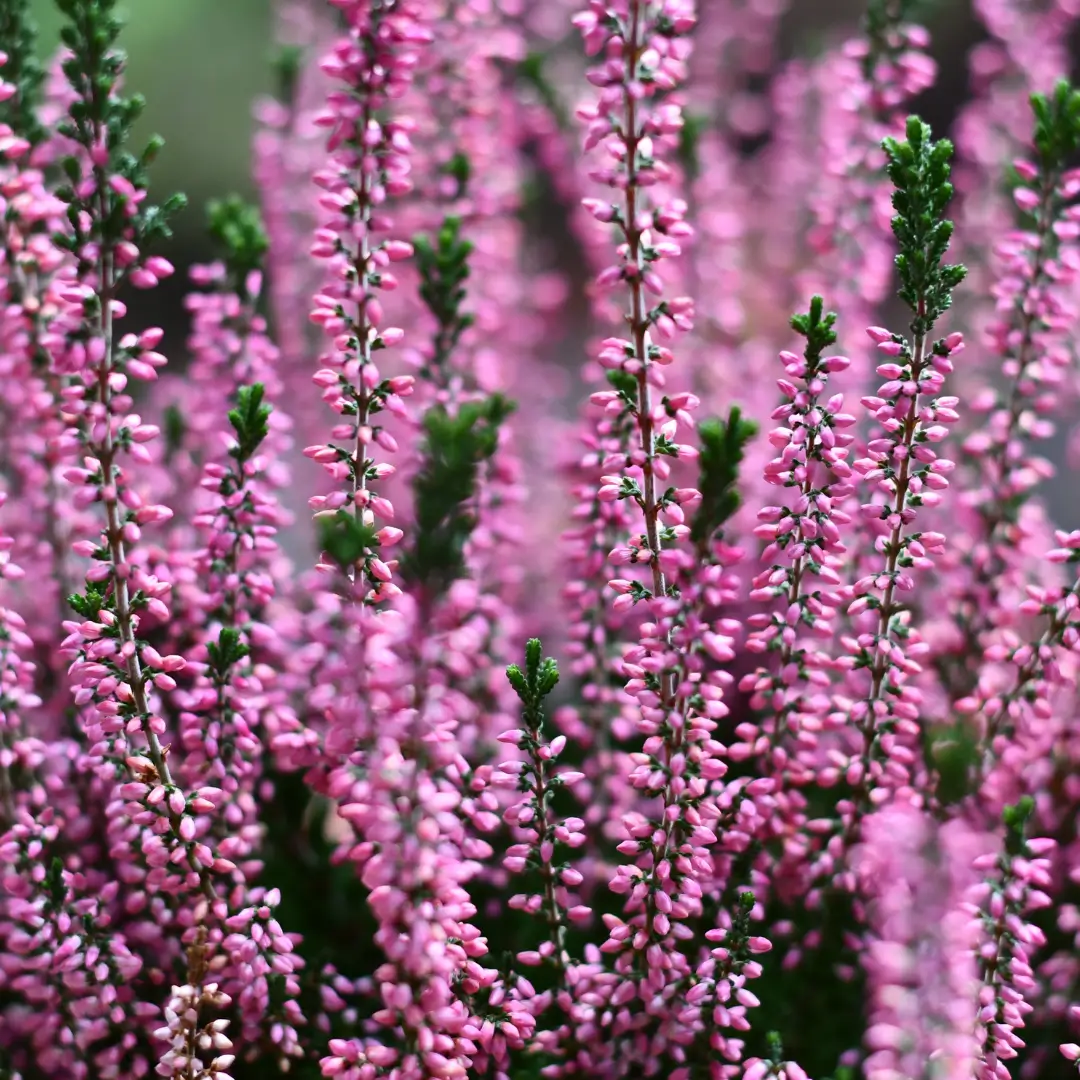
Common heather - heather is a well-known shrub that is common throughout Poland, especially in dry pine and birch forests. Its largest clusters can be found in Lower Silesia and Pomerania. It is also often grown in gardens as an ornamental plant. Its twigs, densely covered with small leaves, grow up to 30-50 cm in height. The leaves are evergreen, narrow and needle-like. Small, drooping lilac-pink flowers, composed of four petals, form one-sided racemes at the ends of the shoots. The fruit is a capsule. Heather blooms from the second decade of August for about 4-5 weeks. The flowers provide insects with both nectar and pollen. On larger areas of heather, collecting commercial honey is possible. Up to 120 kg of honey can be obtained from one hectare of dense, well-sunny heathland, although the average yield is about 50 kg.
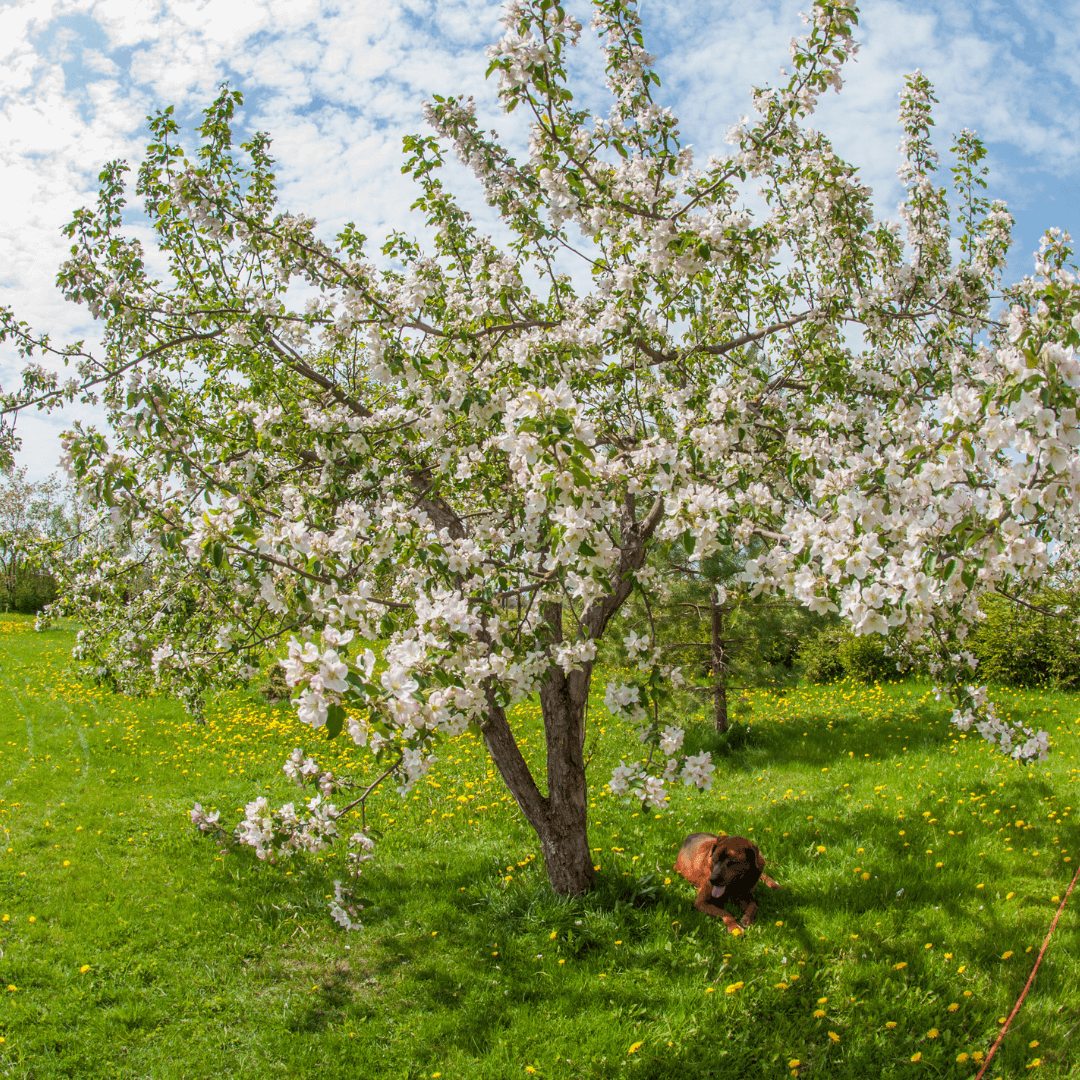
Fruit trees (apple, pear, plum, cherry) - orchards blooming in spring are a true paradise for bees. Although the trees themselves are not considered very melliferous, they are very important in the context of pollination – without bees there would be no fruit.
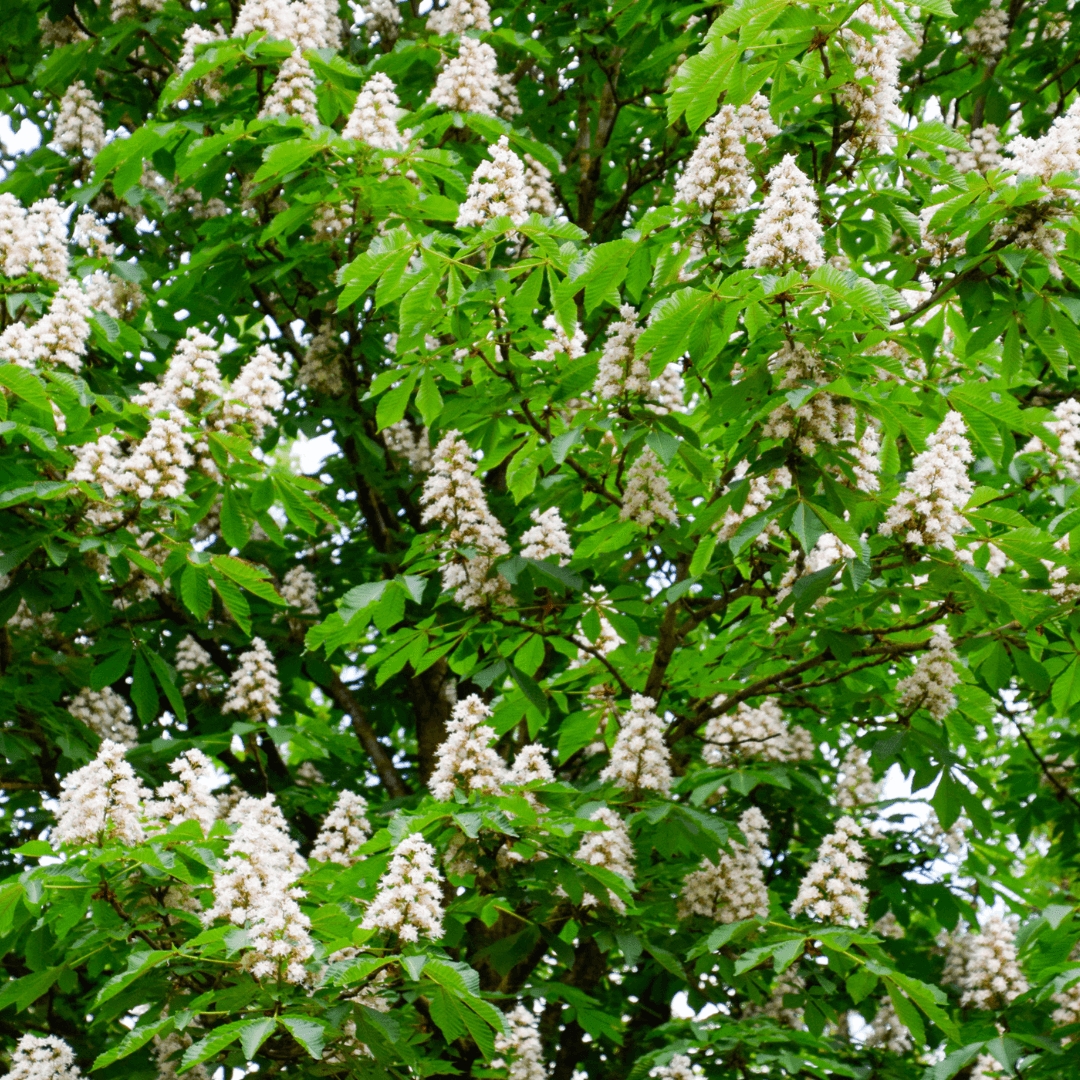
Horse chestnut, Maple, Willow - are melliferous plants, as they produce nectar and pollen, which are a valuable food source for bees, especially in early spring. Horse chestnut has large inflorescences rich in nectar, maple blooms very early, providing energy for the season's first bees, and willow, blooming before the leaves appear, is one of the first sources of pollen and nectar, helping bees rebuild their strength after winter. Thanks to this, these three trees play an important role in sustaining healthy bee colonies.
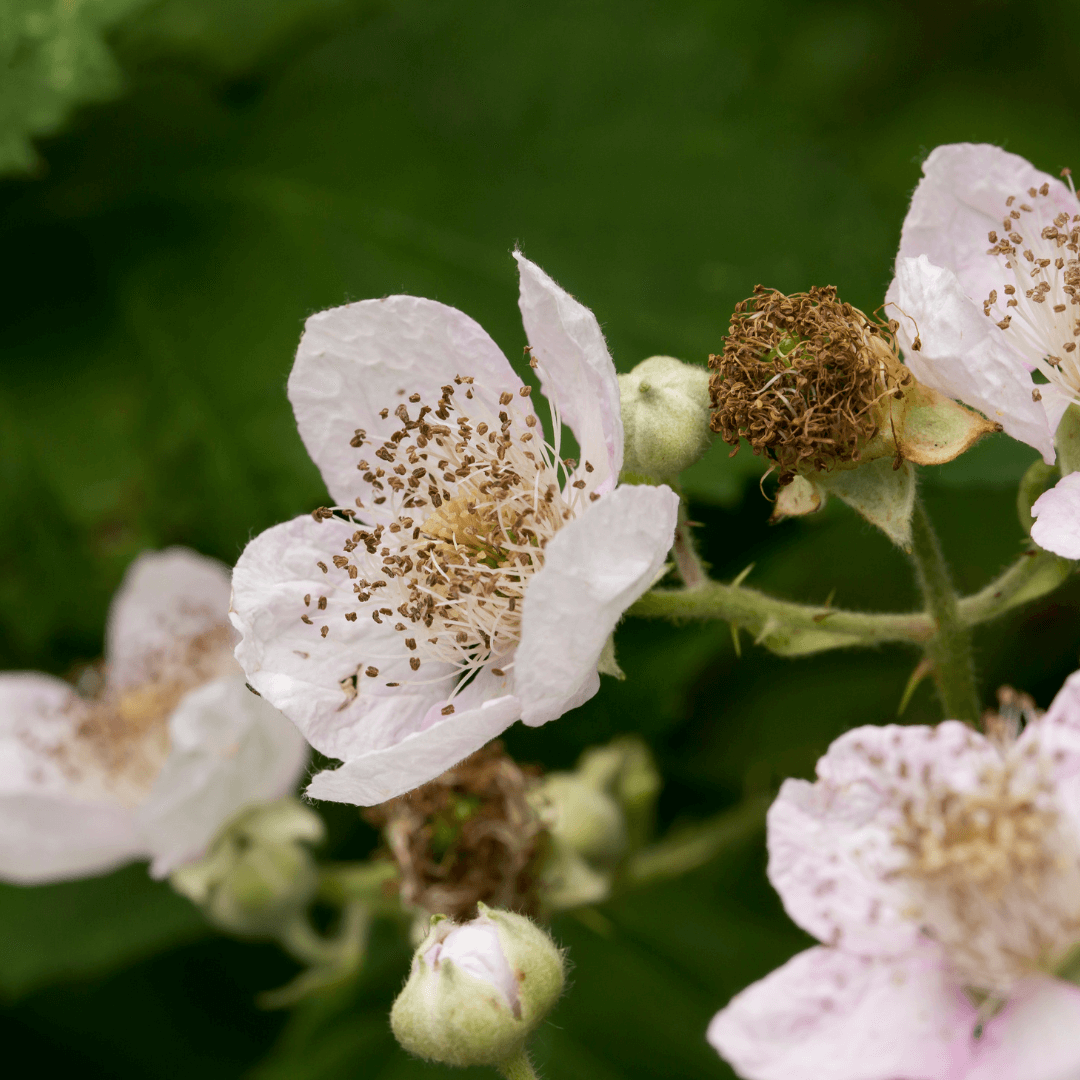
Raspberries, blackberries, blueberries - available both wild and in cultivation. They are very eagerly visited by bees – they provide both nectar and pollen. And in the process, they help in the creation of sweet, summer fruits.
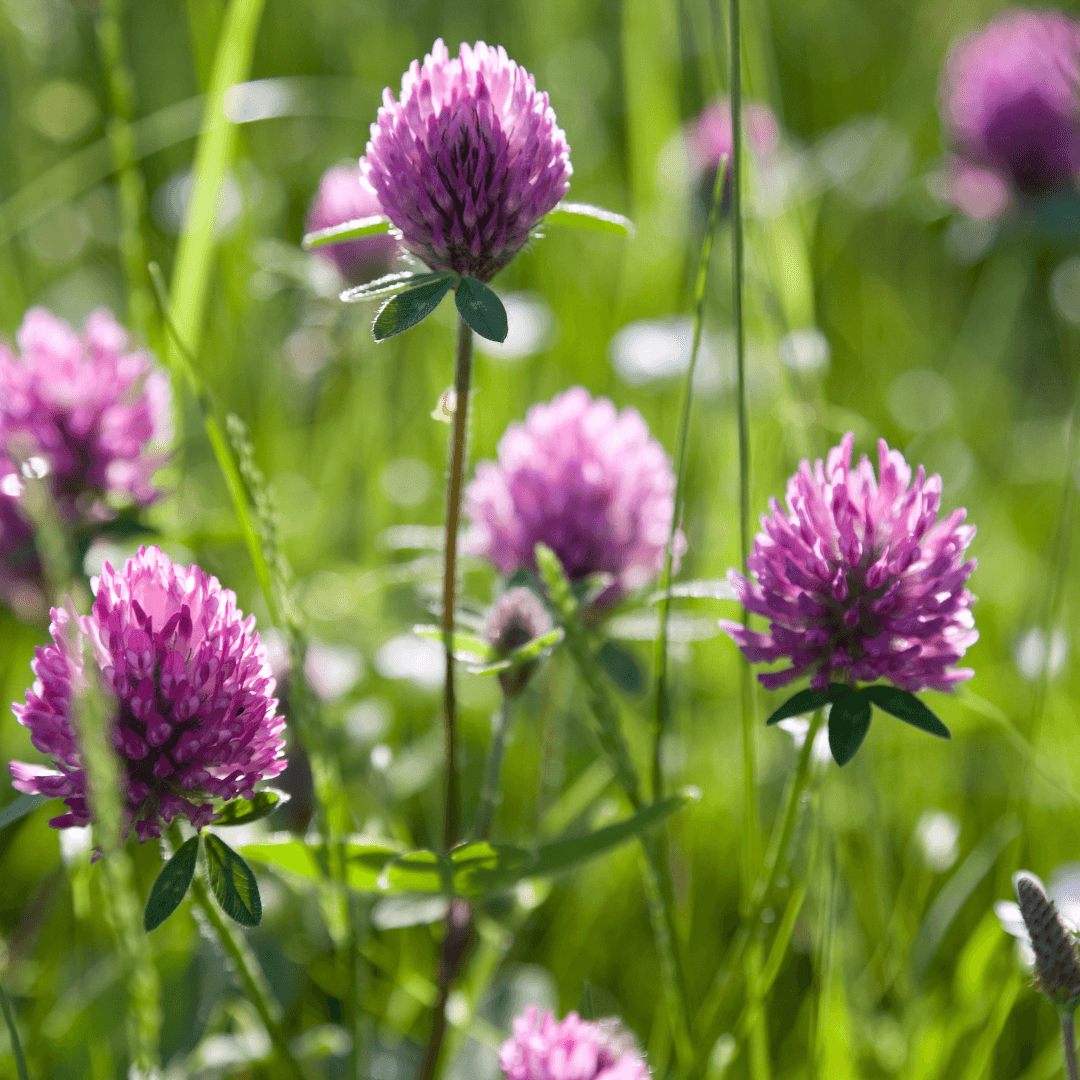
Clover (white and red) - this is one of the most common forage plants in green areas. It occurs on practically every lawn and is also grown as a fodder plant. Its stems, which lie on the ground, root easily and reach a length of about 40 cm. The leaves are composed of three obovate leaflets with serrated edges. The flowers are white, sometimes slightly pink, and have a papilionaceous shape, clustered in head-type inflorescences. The fruit is a small pod containing 2 to 4 seeds. White clover starts to bloom at the end of May, and if it is regularly grazed or mown, it can bloom all summer. Its flowers emit an intense, pleasant scent that particularly attracts honey bee workers and bumblebees. Nectar is easily accessible to them. The honey yield from one hectare of white clover cultivation is about 100 kg, while pollen is about 30 kg.
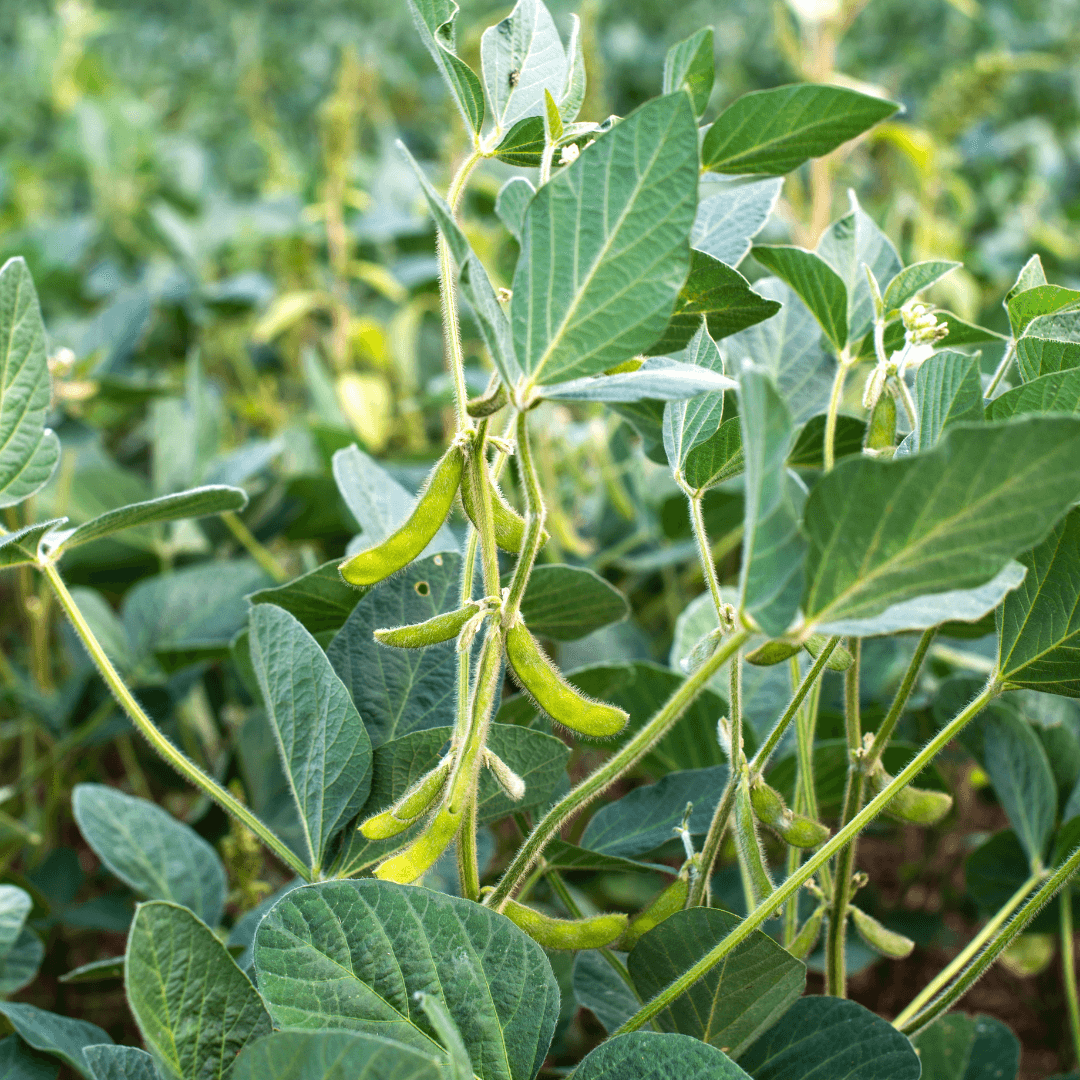
Bean - an annual plant, widely cultivated for seeds in the Americas, Asia and Europe. In gardens, you can find climbing varieties with stems reaching up to 4 metres, while dwarf and runner forms predominate in fields. The leaves are large, trifoliate and have a matte surface. Impressive flowers, white or red, form numerous racemes growing from the leaf axils. The fruit is a pod containing over a dozen large seeds with a kidney-like shape. Runner beans start to bloom at the beginning of July and can bloom for up to six weeks. Flowers open only in the early morning hours and produce nectar for one day. Nectar appears already in the buds, which is why short-tongued bumblebees often bite into the flowers, and later bees also use these holes. About 200 kg of honey can be obtained from one hectare of runner beans.