
Why do spring honeys crystallise quickly?
Spring honeys are some of the first honeys to reach our jars after a long winter. Their flavour, aroma, and nutritional values are highly prized – however, many customers notice that these spring honeys crystallise very quickly.
What is the reason for this? And is it a sign of poor quality? We explain!
Table of contents:
1. Which honeys are classified as spring ones?
2. Honey crystallisation – what is it exactly?
3. Why do spring honeys crystallise faster?
4. How do spring honeys differ in terms of crystallisation?
5. Can crystallisation be delayed?
6. How to return honey to its liquid consistency?
1. Which honeys are classified as spring ones?
Spring honeys are those that bees produce from the nectar of plants blooming in the first months of the season – usually from April to June. This is a time of intensive plant development and the beginning of active work for bees after the winter break. Spring honeys are usually characterised by a light colour, delicate flavour and rapid crystallisation. Depending on the region and available forage, the most common spring honeys include:
These are honeys obtained from the first spring forage, i.e. the nectar of flowers blooming from April to June.
2. Honey crystallisation – what is it exactly?
Honey crystallisation is a completely natural process, consisting of changing its consistency from liquid (so-called patoka) into a thicker, solid or semi-solid form (so-called set honey or krupiec). This process occurs when one of the main sugars contained in honey – glucose (grape sugar) – begins to precipitate in the form of small crystals.
Over time, honey becomes cloudy, thickens, and gains a grainy or creamy structure. Every real, natural honey sooner or later undergoes crystallisation – some honeys crystallise faster (e.g. rapeseed, dandelion), others much slower (e.g. acacia or honeydew).
Crystallisation does not mean the honey has spoiled – it does not negatively affect its quality, nutritional values, or health properties. It is actually confirmation that the honey is genuine, has not been artificially heated or diluted.
3. Why do spring honeys crystallise faster?
Spring honeys crystallise much faster than most summer or honeydew honeys, and the main reasons for this phenomenon are related to their chemical composition and the conditions of their creation.
High glucose content - primarily, they contain a very high amount of glucose relative to fructose. Glucose is a sugar that has limited solubility in water – much lower than fructose – which is why it precipitates from honey very quickly in the form of small crystals. It is this sugar that is responsible for crystallisation, and its high level in honeys such as rapeseed or dandelion means that the thickening and solidification of honey can begin just a few days after extraction.
Lower water content - a significant factor is the lower water content in spring honeys. Spring weather conditions, moderate temperatures, and high activity of honey plants cause bees to process nectar quickly and intensively evaporate water from it. Honey that has less moisture reaches the sugar saturation point faster, which again accelerates the process of glucose precipitation in the form of crystals.
It is also worth adding that crystallised honey does not lose its properties – spring honeys, despite thickening quickly, retain their full flavour, aroma, and nutritional values. What is more, their creamy, soft consistency is often considered an advantage, especially in the kitchen or for daily use.
Crystallisation is therefore a completely natural phenomenon, and the rapid pace of this process in the case of spring honeys is the best proof of their freshness and authenticity.
4. How do spring honeys differ in terms of crystallisation?
Rapeseed Honey – one of the most characteristic and earliest honeys of the season. Obtained from the intensely yellow flowers of rapeseed, which blooms as early as April and May. It has a very light, almost white colour and a mild, slightly bitter taste. It crystallises extremely quickly – often within a few days after the honey harvest. It is rich in glucose, which explains its physical properties and rapid transition into a solid state.
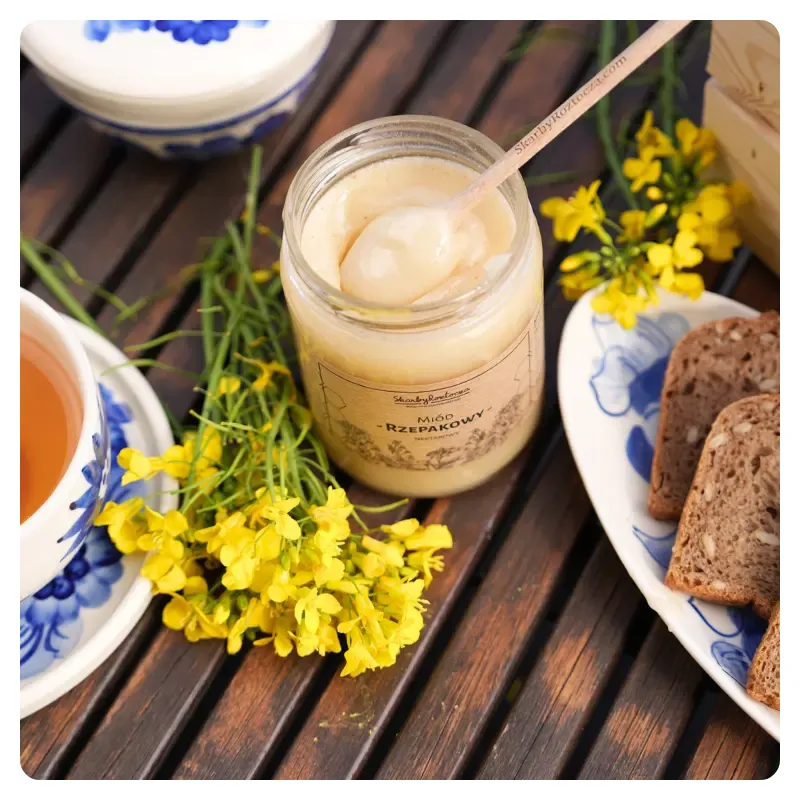
Dandelion Honey – made from the nectar of the popular dandelion, which blooms abundantly in meadows and wastelands in May. It has an intensely yellow colour and a slightly caramel aroma. It also crystallises quickly, creating a thick, creamy consistency. Dandelion honey is quite rare because its harvest period is short, and large amounts of nectar depend on the weather.
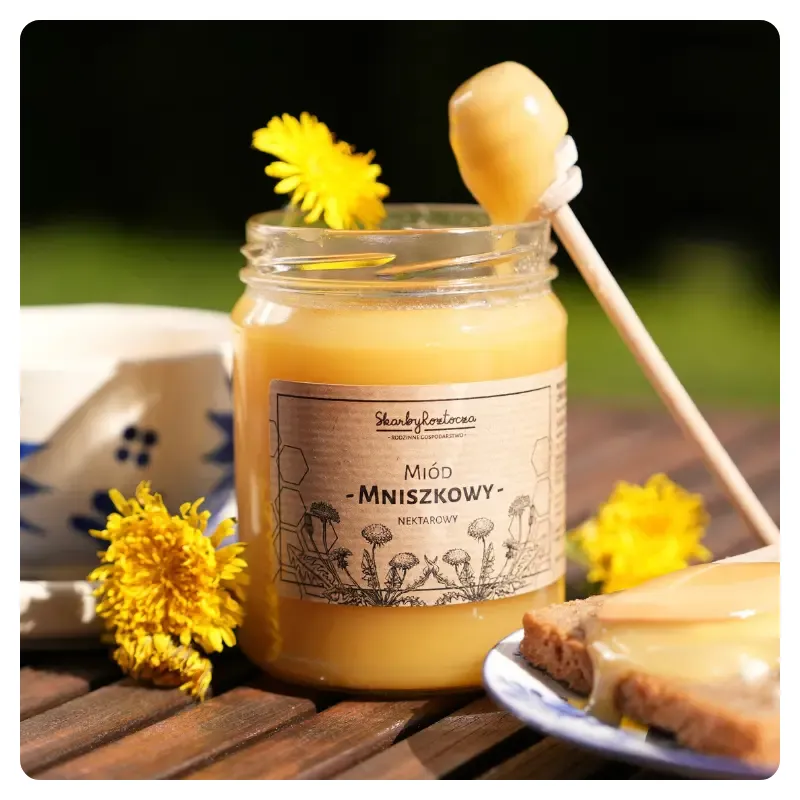
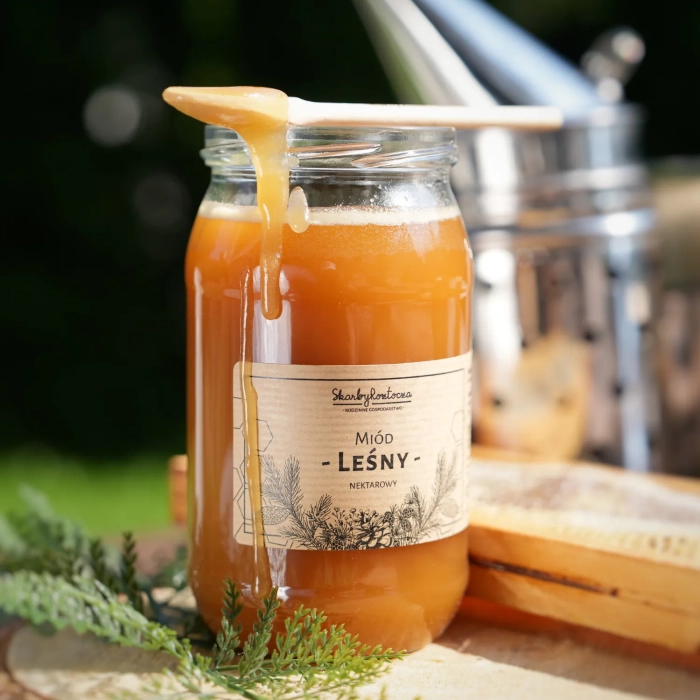
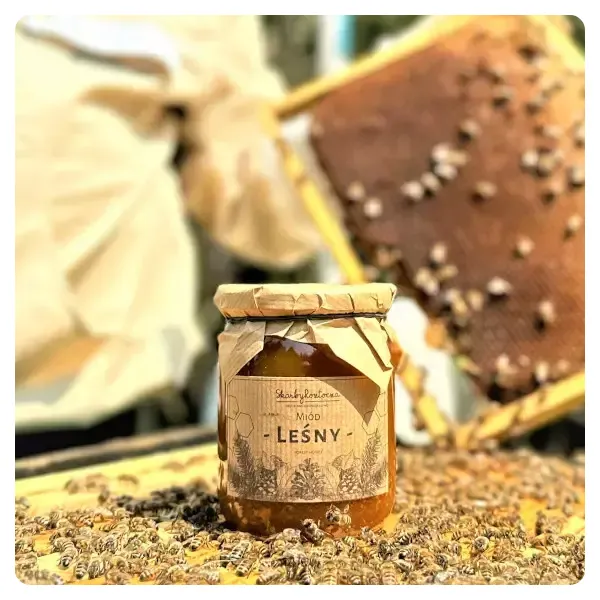
Forest Honey - this is honey made from spring plants occurring in forests and on their edges – such as wild raspberry, blackberry, blueberry, hawthorn, maple, as well as the first forest herbs. It may also contain additions of leaf honeydew. It has a darker colour than typical multifloral honey, often with a slightly resinous note. Its composition depends on local conditions and the plant base, so the taste and rate of crystallisation may vary.
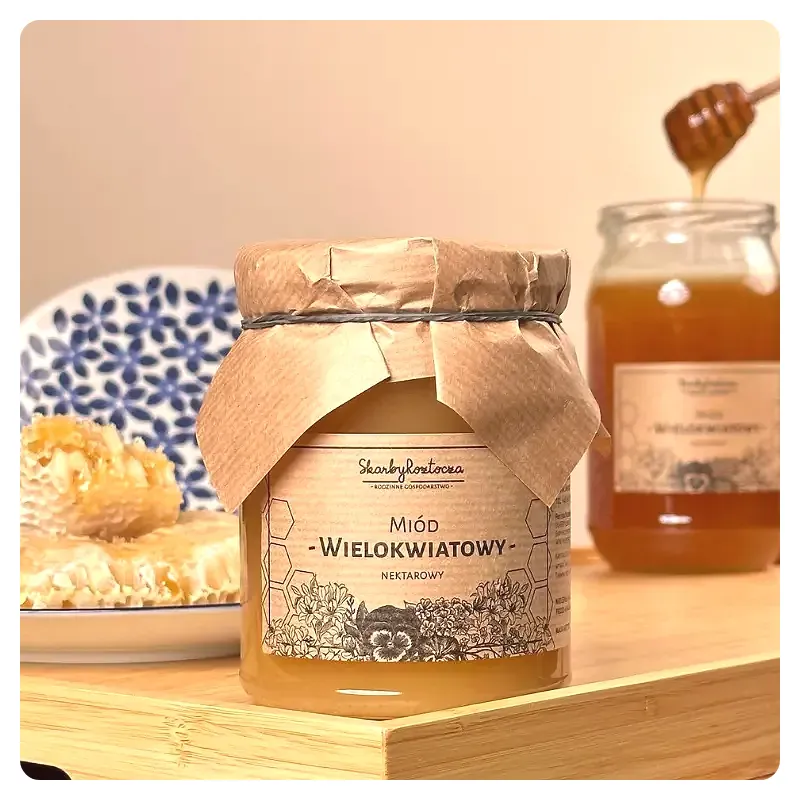
Multifloral Honey - this is one of the most versatile and diverse honeys. It is made from a mixture of nectar from many spring plants – such as dandelion, maple, bird cherry, cherry, apple, currant, or hawthorn. Its colour is usually light, ranging from light yellow to creamy. The flavour is mild, floral, and slightly fruity. It usually crystallises quite quickly, although the rate depends on the dominant plants in a given region and season.
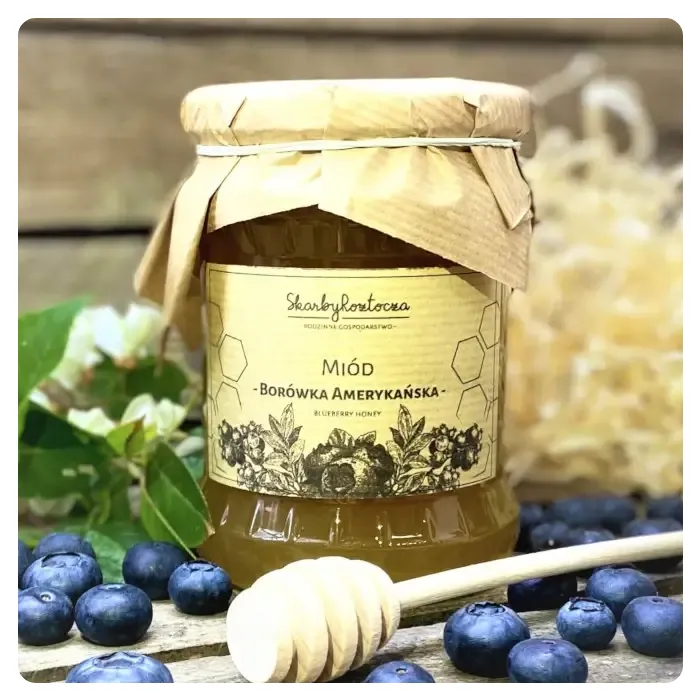
Blueberry Honey - a delicate and aromatic honey with a light, straw colour. It is produced from the nectar of blueberry flowers and stands out with its mild, slightly fruity flavour and subtle acidity. It is a very versatile honey, perfect for tea, desserts, and as a spread. It crystallises quite quickly, creating a creamy and pleasant texture.
5. Can crystallisation be delayed?
Honey crystallisation is a natural and inevitable process that sooner or later affects every type of honey. Nevertheless, there are ways to delay it slightly and keep the honey in liquid form for a longer time.
The most important factor influencing the rate of crystallisation is the storage temperature. High temperature will be an appropriate factor for slowing down the crystallisation process. This is about 20–22°C. In such conditions, honey remains liquid much longer, and its natural properties remain intact. It is also important to store honey in a dark place, away from direct sunlight, which can accelerate the breakdown of valuable components and thus affect changes in consistency.
Ambient humidity also matters. Honey should be stored in a tightly closed jar so that it does not absorb moisture from the air, which could affect its structure and accelerate crystallisation.
However, it should be remembered that inappropriate temperature or humidity conditions can lead to the layering of honey or even its fermentation, i.e. spoilage. We always recommend a cool and shaded place. In such conditions, honey will crystallise faster, but it will remain stable for much longer than the shelf life indicated on the label.
6. How to return honey to its liquid form?
The best method is to gently heat the honey in a water bath. In practice, this means placing the jar of honey in a container with warm water at a temperature no higher than 40°C. Such a low temperature is very important because it allows the crystals to dissolve without damaging the enzymes, vitamins, and other nutrients contained in the honey.
Heating honey directly on the stove or in a microwave is not recommended – such methods can lead to overheating and loss of health values, as well as changes in taste and aroma.
While heating, it is worth stirring the honey gently from time to time so that it dissolves evenly. This process can take a few minutes or even hours, depending on the degree of crystallisation.
If you do not have the time or possibility to heat the honey, it is also worth remembering that crystallised honey is just as valuable and can be used without any problems – you just need to adjust the way you consume it to its consistency.
More information on decrystallising honey and practical advice concerning it can be found on our blog, at the link provided below:
https://www.skarbyroztocza.mom/jak-rozkrystalizowac-miod
7. Summary
The crystallisation of spring honeys is a natural and desirable process, proving their authenticity. High glucose content and low moisture mean that honeys such as rapeseed, dandelion, multifloral, or blueberry quickly change their consistency – but they do not lose their properties or taste in the process.
Remember – set honey, i.e. crystallised honey, is honey in its best, true form! Crystallisation is proof of the honey's authenticity and rawness.